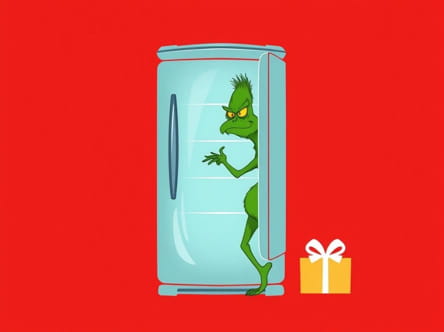
The phrase The Grinch slunk to the fridge instantly conjures a vivid image from the classic Christmas tale,How the Grinch Stole Christmas!by Dr. Seuss. It captures a moment that is both sneaky and symbolic, revealing the Grinch’s sly personality and his determination to carry out his mischievous plan. In this scene, the Grinch is deep into his Christmas Eve mission to rob Whoville of all signs of holiday cheer, and the fridge becomes a key target. The choice of the word slunk suggests a slow, stealthy movement, adding to the scene’s comedic yet devious tone. It’s a small but memorable moment that reflects the playful language and rhythm that makes the story unforgettable.
Context of the Scene
In Dr. Seuss’s beloved story, the Grinch is not content with simply taking presents from under the Christmas tree. His plan is much more thorough he wants to remove every single trace of Christmas from the homes of the unsuspecting Whos. This includes decorations, gifts, and even food. The kitchen, therefore, becomes a crucial battleground in his war on Christmas cheer. The fridge is the heart of the kitchen, holding the Christmas feast. By targeting it, the Grinch ensures that the Whos will not have their traditional holiday meal to enjoy.
The Meaning of Slunk”
The word slunk is the past tense of slink, meaning to move in a quiet, sneaky, or guilty manner. It’s a perfect word choice for the Grinch in this moment. He is not rushing, nor is he moving openly he is creeping, gliding toward his target like a thief in the night. The word adds a sly, almost catlike quality to his movements, enhancing the image in the reader’s mind. This choice of vocabulary also contributes to the musical rhythm of Dr. Seuss’s verse, giving the scene a playful yet mischievous tone.
The Fridge as a Symbol
Within the story, the fridge symbolizes more than just a storage place for food it represents abundance, comfort, and community. In many households, especially during the holidays, the fridge is filled with special treats, festive dishes, and ingredients for a shared meal. By raiding it, the Grinch is not only stealing physical food but also attempting to strip the Whos of their togetherness and joy. This makes his act especially cruel, but also narratively effective in showing how far he is willing to go to sabotage Christmas.
The Christmas Feast in Whoville
The Whos’ Christmas feast is an essential part of their celebration. Dr. Seuss describes the Roast Beast and other delicacies with great delight, making the food seem magical and central to the holiday spirit. The fridge scene hints at all the delicious items inside meats, desserts, sauces, and perhaps even the famous Who-pudding. When the Grinch slinks to the fridge, he is zeroing in on these treasures, fully aware that taking them will strike at the heart of the Whos’ festivities.
Why the Scene Resonates
Part of the charm of this moment comes from how vividly it is described. Readers can picture the Grinch tiptoeing toward the fridge, his long fingers ready to snatch every last item. It’s a relatable image because many people associate the fridge with temptation whether sneaking a late-night snack or raiding leftovers. Dr. Seuss transforms this everyday image into a scene of comic villainy, making it both amusing and memorable.
Literary Techniques at Work
- AlliterationThe phrase slunk to the fridge has a soft, slithering sound that mirrors the action being described.
- ImageryReaders can easily visualize the Grinch’s hunched posture and sly movements.
- RhythmThe meter of the line flows smoothly, fitting seamlessly into the poem’s playful structure.
- CharacterizationThe action reinforces the Grinch’s role as a sneaky, determined antagonist.
The Role of Food in the Story
Food plays a surprisingly important role inHow the Grinch Stole Christmas!It is tied to the idea of celebration, generosity, and family unity. By emptying the fridge, the Grinch hopes to remove a key source of joy for the Whos. However, as the story later reveals, the Whos’ happiness does not depend solely on material things or even on the feast. This makes the fridge scene an ironic setup for the story’s ultimate moral lesson that Christmas is about community and love, not possessions or food.
The Scene in Adaptations
Over the years, film and television adaptations of the story have brought the fridge scene to life in different ways. In the 1966 animated special, the Grinch moves with exaggerated sneakiness, his eyes darting back and forth as he raids the kitchen. In the 2000 live-action version starring Jim Carrey, the scene is more elaborate, with physical comedy highlighting the absurdity of stealing every scrap of food. The fridge moment consistently remains a favorite among audiences because of its visual humor and its encapsulation of the Grinch’s character.
The Humor and Villainy Combined
The line The Grinch slunk to the fridge balances humor and villainy in a way that makes the character unforgettable. On one hand, his actions are undeniably mean-spirited he is robbing an entire community of their holiday joy. On the other hand, his exaggerated sneakiness and the absurdity of his mission make him more comedic than threatening. This combination allows readers of all ages to enjoy the scene without it feeling too dark.
Why the Language Matters
Dr. Seuss’s use of language is one of the key reasons this scene works so well. The unusual but precise choice of slunk injects personality into the action. It avoids more generic words like walked or moved, instead offering a term that carries connotations of secrecy, mischief, and even a hint of shame. This linguistic playfulness is part of what makes the story so enduring and quotable.
The Larger Message
Ultimately, while the fridge scene showcases the Grinch’s deviousness, it also sets up his transformation. By taking everything including the food he believes he can destroy Christmas. But when he later hears the Whos singing joyfully despite their loss, he realizes that his understanding of the holiday was flawed. The fridge, once a symbol of what he thought Christmas was about, becomes a reminder of what it truly means that the spirit of the season cannot be stolen.
The phrase The Grinch slunk to the fridge may seem like a small moment in the grand scheme ofHow the Grinch Stole Christmas!, but it encapsulates the character’s personality, the humor of the narrative, and the central conflict of the story. Through playful language, vivid imagery, and symbolic action, Dr. Seuss turns a simple kitchen raid into an iconic literary moment. It’s a reminder of how even the smallest details in a story can carry meaning, charm, and lasting impact much like the Grinch himself, whose journey from sneaky villain to redeemed celebrant remains a timeless part of holiday tradition.