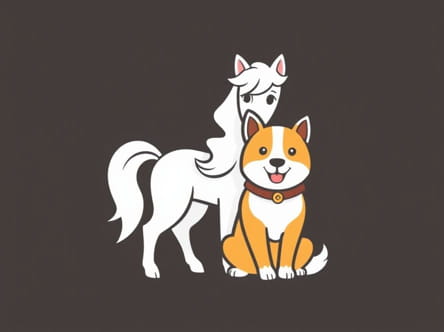
In the world of fables and moral tales, few stories capture the complexity of envy and misplaced desire as clearly as The Filly and the Lapdog.” This short but powerful fable, often attributed to classical storytelling traditions like those of Aesop, offers a meaningful lesson through the contrasting lives of two animals a strong, majestic filly and a pampered, miniature lapdog. At first glance, their lives seem worlds apart. Yet, beneath the surface lies a lesson about self-worth, contentment, and the folly of trying to become something one is not.
The Story of the Filly and the Lapdog
The tale begins with a young filly a female horse known for her beauty, grace, and usefulness on the farm. She spends her days running across open fields, working alongside humans, and contributing to the livelihood of the people who raise her. Her strong legs and powerful build are admired by many, but she longs for something else.
One day, while resting in her stable, the filly sees a tiny lapdog nestled comfortably in the arms of their mutual owner. The dog is doted upon, fed treats, and allowed to sleep inside the house. She observes how the lapdog is carried everywhere, never expected to do labor, and constantly praised for its cuteness and charm. The filly begins to question her own worth.
Driven by jealousy, the filly attempts to imitate the lapdog. She tries to sit on her owner’s lap, nuzzles for affection like a puppy, and even refuses to do her usual work in protest. But her actions are met with frustration and confusion. A large animal such as herself cannot fit in a chair, nor can she be carried around or fed delicacies all day. Her owner becomes irritated, scolding her for her foolish behavior.
Ultimately, the filly learns the hard way that her attempt to live a life that wasn’t meant for her only leads to ridicule. She comes to understand that her strength, speed, and grace have value that the lapdog could never possess. With renewed pride, she returns to her natural role, embracing who she truly is.
The Moral Lesson
“The Filly and the Lapdog” carries a moral that is as relevant today as it was centuries ago be proud of who you are, and do not envy the lives of others without understanding their reality. The story teaches that every creature has its own strengths and purpose. What seems like an easy life for someone else may not be fulfilling for you. Trying to be something you’re not can often lead to embarrassment and failure.
Understanding the Filly’s Perspective
The filly represents individuals who, despite having talents and capabilities, feel inferior when they compare themselves to others with different lifestyles. Her reaction is deeply human seeing another being receive attention and comfort, and wanting the same treatment. However, this comparison blinds her to her own worth.
Her attempts to mimic the lapdog reflect a broader human tendency to idealize the lives of others, especially when viewing them from a distance. What she doesn’t realize is that the lapdog’s existence, though cushioned and indulgent, lacks the independence and physical freedom she enjoys daily.
The Lapdog’s Role
While the lapdog is not to blame for the filly’s envy, its presence serves as a symbol of a different kind of life one based on appearances and comfort. It does not work, does not run, and may never experience the open fields or the satisfaction of contribution. Though it receives attention, it leads a passive existence.
This contrast helps highlight the dangers of comparing oneself to others without fully understanding the trade-offs involved. Comfort may come at the expense of freedom. Praise may replace purpose. In the end, the lapdog and the filly live very different lives, each with its own costs and benefits.
Modern Interpretations of the Fable
In today’s social media-driven world, “The Filly and the Lapdog” resonates with the growing issue of comparison. People often see curated images of others’ lives online vacations, luxury, success and feel inadequate in comparison. Much like the filly, they attempt to mirror those lifestyles, sometimes abandoning their true selves in the process.
This fable reminds readers that authenticity, purpose, and self-acceptance are far more rewarding than imitation. Rather than chasing the lives others live, it’s healthier and wiser to embrace one’s own strengths and roles.
Key Takeaways from the Story
- Envy can distort our perception of ourselves and others.
- Every creature, person, or role has its own unique value.
- Trying to be someone you’re not can lead to disappointment.
- Authenticity brings more satisfaction than imitation.
- We often envy what we don’t fully understand.
Applications in Real Life
The lessons of this fable are applicable in many aspects of life. In the workplace, people may envy a coworker who appears to have an easier job, without realizing the pressures they face behind the scenes. Students might compare themselves to peers who seem more popular or successful, not knowing the struggles those individuals may carry. In relationships, individuals might long for a life like someone else’s, without acknowledging their own blessings.
Parents, teachers, and mentors can use this story to encourage self-confidence and discourage destructive comparisons. It teaches that no one is superior to another just different, with different paths and different roles to play.
“The Filly and the Lapdog” may be a short and simple tale, but its message carries lasting significance. Through the eyes of a filly longing to live a lapdog’s life, we are reminded that chasing someone else’s lifestyle often comes at the cost of losing our own identity. Each creature be it horse or hound, human or animal has its place, its role, and its own value.
In a society where comparison is easy and self-worth is often questioned, this fable gently encourages readers to look inward. The filly’s journey is a universal one discovering that true happiness lies not in trying to be like someone else, but in accepting and embracing who we are.