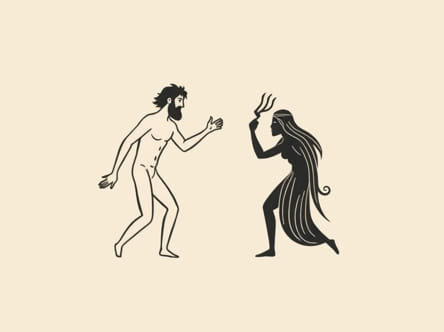
In the world of classical mythology, the fable of Polyphemus and Galatea stands as a haunting tale of unrequited love, jealousy, and the deep divide between beauty and monstrosity. Set against the backdrop of the ancient seas, this myth has captured the imagination of poets, painters, and philosophers for centuries. At its heart, it tells the story of a powerful but grotesque Cyclops who falls hopelessly in love with a beautiful sea nymph. What unfolds is a mixture of desire, violence, and loss that continues to resonate with modern audiences. This narrative is more than just myth; it explores the complexities of human emotion, the danger of obsession, and the consequences of unchecked passion.
Origins of the Myth
The tale of Polyphemus and Galatea finds its roots in ancient Greek mythology, most notably told by the Roman poet Ovid in his workMetamorphoses. Ovid gives the myth a poetic and emotional depth, shaping it into a fable that explores themes of longing and heartbreak. In earlier traditions, Polyphemus is primarily known from Homer’sOdysseyas the Cyclops who traps Odysseus and his men. However, in Ovid’s retelling, Polyphemus is given a more nuanced personality still brutal, but also capable of feeling deep love and suffering from rejection.
Character Overview
- Polyphemus– A one-eyed giant, son of Poseidon and the sea nymph Thoosa. He represents brute strength and primitive emotion.
- Galatea– A beautiful and gentle sea nymph, daughter of Nereus and Doris. She symbolizes purity, grace, and unattainable love.
- Acis– A mortal shepherd, beloved by Galatea. He becomes the tragic victim of Polyphemus’s jealousy.
Polyphemus The Dreamer or the Monster?
While Polyphemus is traditionally depicted as a terrifying monster, in this fable he is also portrayed as a tragic figure. His love for Galatea is genuine, though expressed in awkward and frightening ways. He sings songs of love, tries to tame his temper, and attempts to woo her through gestures that are often misunderstood or frightening because of his appearance.
In one of Ovid’s most poignant passages, Polyphemus sings of his feelings for Galatea while playing a pipe made from reeds. His words are clumsy yet heartfelt, showcasing his attempt to reach out emotionally. However, his size, single eye, and violent past make it impossible for Galatea to see him as anything but a danger. This contrast between inner feeling and outward form becomes central to the fable’s message.
Galatea and Acis A Pure Love
Galatea’s heart belongs to Acis, a handsome young shepherd. Their love is mutual, sweet, and innocent a stark contrast to the dark, possessive obsession of Polyphemus. The lovers meet in secret, enjoying their time near the sea. Their relationship represents harmony and mutual affection, something Polyphemus can neither experience nor understand.
Despite being a divine creature, Galatea’s love for a mortal reflects the human desire for connection beyond boundaries. Her rejection of Polyphemus is not simply due to his appearance, but also because of his lack of emotional control and understanding of love. Her choice of Acis reinforces the idea that love must be gentle and respectful to flourish.
The Tragic Climax
When Polyphemus discovers Galatea with Acis, his emotions shift from sorrow to rage. The peaceful landscape quickly turns violent. Driven by jealousy and blind passion, Polyphemus hurls a massive rock at Acis, crushing him to death. This act of violence marks the climax of the myth and seals Polyphemus’s fate as both villain and victim.
Galatea, devastated by the death of her beloved, uses her divine power to transform Acis’s blood into a stream, thus allowing him to live on as part of the natural world. This transformation is both symbolic and healing a way to preserve love in the face of destruction. The stream, known as the River Acis, flows in Sicily, linking myth to geography.
Themes and Symbolism
Unrequited Love
The most dominant theme in the fable is unrequited love. Polyphemus desires Galatea intensely, but his love is not returned. This longing becomes painful and eventually destructive. The story illustrates how love, when not balanced with understanding and respect, can lead to obsession and tragedy.
Beauty and the Beast
The contrast between Polyphemus and Galatea also highlights society’s long-standing fascination with the dynamic of beauty and the beast. Polyphemus’s grotesque form and Galatea’s ethereal beauty symbolize the tension between physical appearance and internal worth. The myth questions whether beauty can ever look beyond form and whether the monstrous can truly love without causing harm.
Jealousy and Possession
Jealousy plays a destructive role in the fable. Polyphemus’s inability to accept Galatea’s rejection leads him to violence. His act is not out of love, but out of a need to possess what he cannot have. This echoes the dangers of possessive love, a lesson relevant across cultures and eras.
Transformation and Memory
The transformation of Acis into a river serves as a symbol of memory and renewal. While his physical body is lost, his essence becomes eternal in nature. This transformation also brings a form of justice and peace to an otherwise violent ending. It shows how love, even when tragically interrupted, can find a way to persist.
Influence in Art and Literature
The fable of Polyphemus and Galatea has inspired countless works of art, music, and literature. Painters like Raphael and artists from the Baroque period have depicted the contrasting figures of the delicate nymph and the hulking Cyclops. Poets have used the tale to explore the darker side of romance and the pain of rejection. Even modern interpretations, in theater and cinema, continue to revisit this ancient tale to explore human emotions in extreme situations.
A Fable for the Ages
The story of Polyphemus and Galatea is a powerful example of myth being used to explore deep psychological and emotional truths. Through its vivid characters and dramatic events, the fable examines themes of love, loss, jealousy, and the pain of being misunderstood. Polyphemus may be a monster in appearance, but he reflects a very human vulnerability the fear of rejection and the desire to be loved.
In today’s world, where beauty, relationships, and emotional expression are constantly being questioned and redefined, this ancient myth continues to offer insight. It reminds us that true love must be based on mutual respect and understanding, and that uncontrolled desire can destroy what it seeks to cherish. The fable of Polyphemus and Galatea remains a timeless reflection on the fragile nature of the human heart.