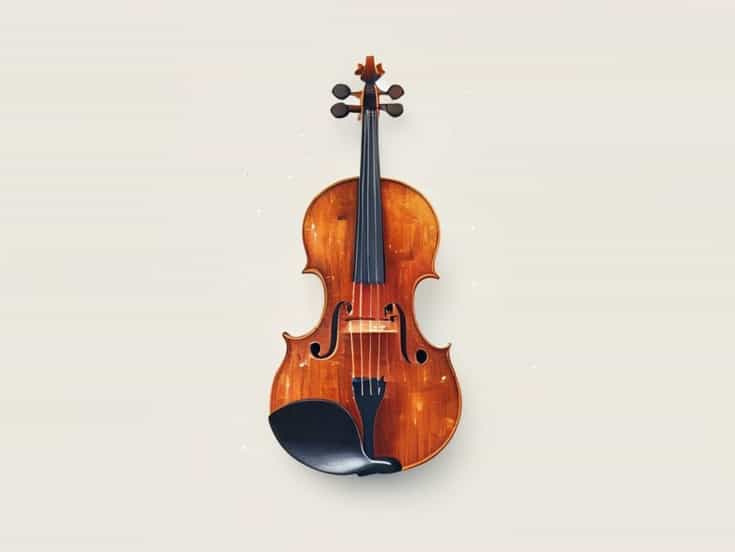
The difference between a fiddle and a violin is often a topic of curiosity and debate, especially for those who are new to string instruments. At first glance, a fiddle and a violin appear to be the same instrument. Both are four-stringed instruments played with a bow, have similar shapes, and use similar techniques. However, the distinction lies not in the physical structure of the instrument but in how it is played, the style of music, and cultural context. Understanding the subtle differences between a fiddle and a violin can help musicians, music enthusiasts, and beginners appreciate the unique characteristics and traditions associated with each term.
Physical Similarities and Differences
Structurally, fiddles and violins are virtually identical. Both have four strings tuned G-D-A-E, a wooden body, a fingerboard, and are played with a bow. In most cases, a violin can be used as a fiddle and vice versa. However, minor modifications may be made to a fiddle to suit the style of music it is intended for. For example, fiddlers might use a flatter bridge, which allows easier double stops and faster string crossing, a technique often required in folk or bluegrass music. The strings themselves might also differ, with fiddlers sometimes preferring steel strings for a brighter, more percussive sound, while classical violinists often use gut or synthetic-core strings for a warmer tone.
Bow and Playing Technique
The bow is another element where subtle differences can be observed. Fiddle bows tend to be shorter and lighter, providing more flexibility for rapid, rhythmic strokes common in folk, country, or Celtic music. In contrast, violin bows used in classical music are often longer, heavier, and designed for sustained, controlled notes. The technique used by the player also differs, with fiddlers frequently using a more relaxed, improvisational approach, incorporating slides, double stops, and rhythmic patterns that are less common in classical violin playing.
Musical Context and Genre
The primary distinction between a fiddle and a violin lies in the type of music played. The term fiddle is commonly associated with folk, country, bluegrass, Cajun, Irish, and Scottish music traditions. Fiddle players often emphasize rhythm, improvisation, and ornamentation that give the music a lively, danceable quality. In contrast, violin is generally used in classical, orchestral, and chamber music settings. Classical violinists focus on precision, expression, and interpretation of written compositions, following strict techniques and musical notation.
Fiddle Styles Around the World
Fiddle music varies widely depending on the cultural context. For example
- American FiddleCommon in bluegrass and old-time music, featuring fast, rhythmic bowing and improvisation.
- Celtic FiddlePopular in Irish and Scottish traditions, often characterized by ornamentation, such as rolls, cuts, and grace notes.
- Cajun FiddleFound in Louisiana, it features syncopated rhythms and expressive slides.
- Nordic FiddleIn Scandinavian countries, fiddling incorporates drones and regional folk patterns.
These regional styles highlight the diversity of fiddle playing, illustrating how the same instrument can produce a wide range of musical expressions.
Terminology and Cultural Perception
Interestingly, the distinction between fiddle and violin is largely cultural and contextual. Musicians often say, It’s not the instrument but the music that defines it. In classical music circles, the instrument is almost always referred to as a violin, whereas in folk traditions, it is called a fiddle. This terminology reflects the historical and cultural identity of the music rather than any structural difference. For many players, calling their instrument a fiddle signifies a connection to a particular tradition and style of music.
Educational Implications
Understanding the difference between a fiddle and a violin is important for students learning the instrument. Music teachers often emphasize technique, repertoire, and style appropriate to the genre being studied. Students learning classical violin will focus on bowing exercises, scales, and repertoire from composers like Bach, Beethoven, or Tchaikovsky. Fiddle students, on the other hand, may concentrate on ear training, improvisation, and traditional tunes specific to a particular folk style.
Performance and Audience Expectations
Another way to distinguish between a fiddle and a violin is the context in which the instrument is played. Fiddle performances are often informal, social, and participatory, with dancing, group playing, and audience interaction. Violin performances tend to be formal, structured, and concert-oriented, emphasizing interpretation and accuracy. Audience expectations for sound, style, and presentation differ according to whether the instrument is being used as a fiddle or a violin.
Improvisation and Ornamentation
Fiddlers frequently rely on improvisation, adding personal flair and adapting melodies to the performance setting. Ornamentation such as slides, trills, and double stops are common, enhancing rhythmic drive and melodic variation. Classical violinists typically follow the written score, with limited improvisation, focusing on technical precision, tonal quality, and emotional expression as dictated by the composer.
the difference between a fiddle and a violin is primarily defined by the style of music, cultural context, and playing technique rather than the physical instrument itself. While the structure and basic components of the instrument remain the same, minor adjustments to strings, bridge, and bow may be made to suit specific musical styles. The fiddle is associated with folk, bluegrass, Celtic, and regional traditions, emphasizing rhythm, improvisation, and ornamentation. The violin, by contrast, is linked to classical music, orchestral settings, and formal performances, prioritizing precision, expression, and adherence to written compositions. Understanding these distinctions helps musicians choose the appropriate techniques, repertoire, and performance practices, while also appreciating the rich cultural history behind each term. Whether referred to as a fiddle or a violin, this versatile instrument continues to inspire musicians and audiences alike, bridging genres and connecting traditions across the world.