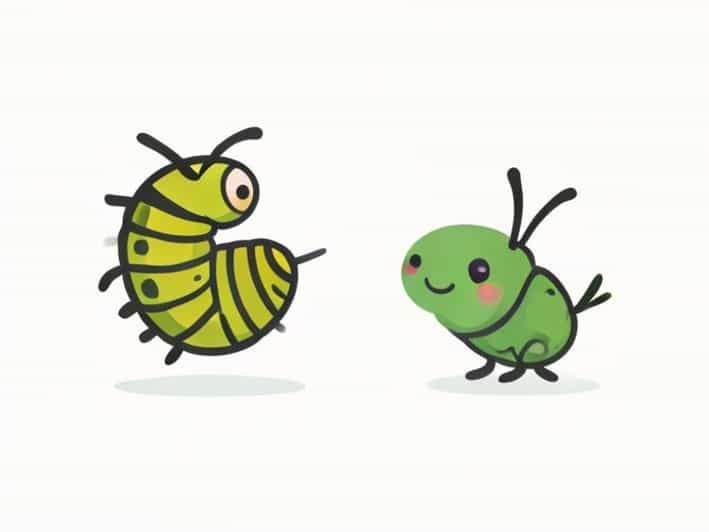
The Caterpillar and the Polliwog is a charming animated short video that has been enjoyed by young children, especially in educational settings like classrooms and early childhood programs. This brief film tells a simple yet meaningful story about growth, transformation, friendship, and learning about life cycles. While it is often linked with Scholastic video collections and storytime resources, its core narrative comes from a classic children’s tale by Jack Kent that celebrates curiosity and change. The video is short, engaging, and designed to help young viewers understand how animals grow and change in nature while also encouraging social and emotional reflection.
Overview of the Story
The Caterpillar and the Polliwog centers on two unlikely friends – a caterpillar and a polliwog (a tadpole). The caterpillar is proud of the transformation she knows will happen one day when she becomes a butterfly. Her excitement about growing up influences her friend, the polliwog, who decides he wants to transform just as eagerly, even though his developmental path is different. The polliwog watches the caterpillar closely, hoping that her change will inspire his own journey toward becoming a frog.
Main Characters
- The Caterpillar – Curious, confident, and excited about growing up to become a butterfly.
- The Polliwog – A tadpole that wants to follow the caterpillar’s example, not fully understanding that his own path toward becoming a frog is unique.
The story’s gentle humor and bright animation help children learn that growth and change are a natural part of life, even if each individual’s journey looks different. It encourages acceptance and patience, illustrating that good things take time and that everyone develops in their own way.
Educational Themes and Messages
Although simple, The Caterpillar and the Polliwog video is rich with educational themes that make it a popular choice in early childhood settings. Teachers and parents often use it to spark discussions about nature, change, and emotional awareness.
Life Cycles and Transformation
One of the most important educational points in the video involves life cycles. Both butterflies and frogs undergo dramatic transformations during their development
- Caterpillars metamorphose into butterflies.
- Polliwogs (tadpoles) grow into frogs through a completely different aquatic-to-terrestrial transformation.
By watching the caterpillar spin its cocoon and eventually become a butterfly, alongside the polliwog’s growth into a frog, children are introduced to the concepts of metamorphosis and biological change in a way that is easy to understand and remember.
Friendship and Perspective
Another key theme is friendship and understanding differences. The polliwog initially wants to transform into a butterfly like the caterpillar because he admires her confidence and certainty about the future. Over time, however, he learns that he will become something different – a frog – and this realization helps him appreciate his own journey. This teaches children that everyone develops differently and that comparing ourselves to others is not always helpful.
Patience and Personal Growth
The story also underscores the value of patience. Both characters must wait for their changes to take place. The caterpillar stays in her cocoon, and the polliwog continues his slow progression toward becoming a frog while observing his friend. This helps children understand that growth happens at its own pace and can’t be rushed.
Use in Educational Settings
Because of its short length (about seven minutes) and clear, ageappropriate storytelling, The Caterpillar and the Polliwog video is often included in early childhood curricula and Scholastic video collections targeted at preschool and kindergarten learners. It is a useful tool for teaching both science and social lessons in a format that is easy for young children to follow.
Classroom Activities Linked to the Video
Educators frequently pair the viewing of this short video with complementary activities that help reinforce the key concepts presented. Some common activities include
- Life cycle charts showing the stages of caterpillars turning into butterflies and polliwogs turning into frogs.
- Group discussions about how students have changed over time and what they look forward to in the future.
- Drawing or craft projects where children create their own caterpillars or polliwogs and illustrate the transformation stages.
These activities deepen comprehension and allow children to connect the story to broader lessons about growth, nature, and personal development.
Popularity and Accessibility
While originally produced as part of educational collections such as those offered by Scholastic and Weston Woods, The Caterpillar and the Polliwog remains accessible on various streaming platforms and educational video services. Its universal themes and gentle storytelling continue to make it a favorite among families and educators alike.
Why It Resonates with Young Children
- The short runtime keeps young viewers engaged without overwhelming them.
- Bright and simple animation helps convey the story visually.
- Relatable themes, like waiting for something exciting to happen, mirror children’s own experiences.
The story appeals to a child’s natural curiosity about the world, especially about animals and how they grow up. By framing biological facts within a narrative about friendship and ambition, the video makes learning enjoyable.
The Caterpillar and the Polliwog is more than just a short animated video. It is an educational story that teaches children about biological life cycles, individuality, and growth. Through the journey of a caterpillar and a polliwog, young viewers learn that all living things change over time and that those changes are natural and important. The video’s gentle tone and simple storytelling make it suitable for early learners, and its use in classrooms and at home provides a foundation for deeper exploration of science and emotional understanding. Whether watched in a group or with family, this delightful tale remains a meaningful learning experience for children.