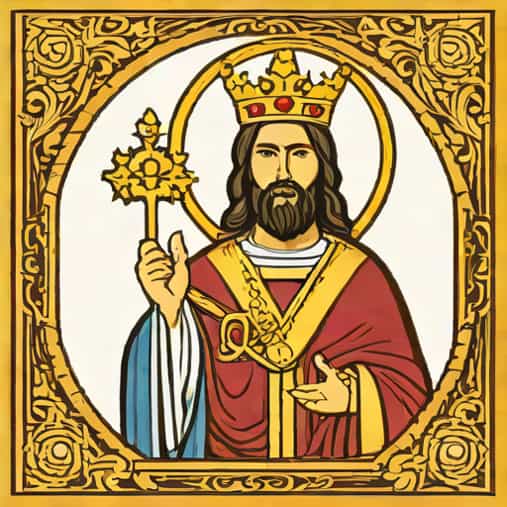
The Solemnity of Christ the King is a significant celebration in the liturgical calendar, observed by Catholics and many other Christian denominations. It emphasizes the reign of Jesus Christ as the King of the universe, highlighting his authority, mercy, and eternal kingship. Like many feasts in the Church, the Solemnity of Christ the King is associated with a specific liturgical color that carries symbolic meaning. Understanding the liturgical color helps worshippers connect more deeply with the themes of the celebration and enhances the spiritual experience during Mass and other religious observances. The choice of color is rooted in tradition, scripture, and theological significance, offering both visual and spiritual cues for reflection.
Historical Background of the Solemnity
The Solemnity of Christ the King was instituted relatively recently in the history of the Catholic Church. Pope Pius XI established it in 1925 through the encyclicalQuas Primas, at a time when secularism and political ideologies challenged the spiritual authority of the Church. The feast was intended to remind believers of Christ’s ultimate sovereignty over all earthly powers, encouraging both devotion and moral reflection. It is celebrated on the last Sunday of the liturgical year, just before the beginning of Advent, which signals a transition from the themes of Christ’s reign to his impending birth and incarnation.
Purpose of the Celebration
The Solemnity of Christ the King serves multiple spiritual purposes
- To honor Jesus Christ as Lord over all creation.
- To remind believers of the moral and spiritual responsibilities that come from acknowledging Christ’s authority.
- To prepare the faithful for the contemplative season of Advent.
- To reflect on the hope of Christ’s final victory over sin and death.
This solemnity reinforces the connection between faith, worship, and daily life, emphasizing that Christ’s reign is not merely symbolic but has practical implications for how believers live.
Liturgical Colors and Their Significance
In the Catholic Church, liturgical colors are used to convey theological meaning, mark seasons, and highlight specific celebrations. Each color reflects the tone and purpose of the feast or season. The primary liturgical colors include white, purple, red, green, and rose. These colors are carefully chosen to complement the scripture readings, prayers, and hymns used in the liturgy, helping worshippers focus on the spiritual message of the celebration.
The Liturgical Color for Christ the King
The liturgical color associated with the Solemnity of Christ the King is white. White symbolizes joy, triumph, and glory, making it an appropriate choice for a feast that celebrates Christ’s kingship. The use of white during this solemnity emphasizes the victory of Christ over sin and death, reflecting his purity, divinity, and eternal authority. During Mass, the priest wears white vestments, and other decorations in the church, such as altar cloths or banners, may also feature white to reinforce the celebratory nature of the feast.
Symbolism of White in the Liturgical Context
White has a rich symbolic tradition within the Church. Its meanings include
- Purity and holiness, reflecting Christ’s sinless nature.
- Joy and celebration, suitable for festive occasions.
- Victory and triumph, highlighting Christ’s ultimate reign over the world.
- Light and divinity, representing the eternal glory of Christ the King.
By using white, the Church visually communicates these spiritual truths to the faithful, enhancing their experience of worship and meditation during the Solemnity of Christ the King.
Connection to the Liturgical Calendar
The Solemnity of Christ the King is celebrated at the end of the liturgical year, just before the season of Advent begins. Its placement is intentional, as it serves as a culmination of the year’s focus on Christ’s life, teachings, and ministry. The use of white at this time underscores the triumphant and joyful nature of the feast, signaling a contrast with the penitential seasons of Lent and Advent, which use purple or violet to symbolize reflection and preparation.
Liturgical Practices During the Feast
During the Solemnity of Christ the King, several liturgical practices highlight the significance of the feast
- Celebration of the Eucharist with white vestments, candles, and decorations.
- Special prayers and readings emphasizing Christ’s authority and kingship.
- Processions, hymns, and reflections focusing on the reign of Christ over all creation.
- Encouragement of acts of devotion, charity, and moral reflection in daily life.
These practices reinforce the meaning of the feast and allow the faithful to engage actively with the spiritual themes associated with Christ’s kingship.
Other Liturgical Considerations
In addition to vestments and altar decorations, churches may use the color white in other ways to mark the Solemnity of Christ the King. Choirs may wear white robes, floral arrangements often feature white flowers, and liturgical books and banners may be adorned with gold or white accents. These visual cues support the worship experience and help convey the celebratory and triumphant tone of the feast.
Regional and Denominational Variations
While the Catholic Church universally uses white for the Solemnity of Christ the King, some Protestant and Anglican traditions may have slight variations. For example, some Anglican churches may also use gold accents or incorporate other colors symbolizing kingship and glory. Despite these differences, the underlying emphasis on Christ’s sovereignty remains consistent across Christian denominations, reinforcing the theological importance of the feast.
Spiritual Reflections on Christ’s Kingship
The liturgical color white enhances the spiritual reflection associated with Christ the King. Believers are invited to meditate on themes such as
- Christ’s divine authority over creation and human history.
- The moral responsibility to live according to Christ’s teachings.
- The hope of eternal life and the triumph of good over evil.
- The joy and celebration of Christ’s presence in the Church and the world.
By focusing on these themes, worshippers can deepen their understanding of the feast and its relevance to their daily lives, making the liturgical color not just symbolic but spiritually impactful.
The Solemnity of Christ the King is a profound celebration in the Christian liturgical calendar, emphasizing the authority, victory, and divine nature of Jesus Christ. The liturgical color white plays a central role in conveying the themes of purity, triumph, and glory associated with this feast. Its use in vestments, decorations, and liturgical practices enhances the worship experience, guiding the faithful in reflection, celebration, and devotion. Positioned at the end of the liturgical year, the feast prepares believers for Advent while offering a moment to recognize and honor Christ’s eternal reign. Understanding the symbolism and significance of the liturgical color enriches participation in the Mass and deepens the spiritual connection with Christ as King of the universe.
In summary, the liturgical color for the Solemnity of Christ the King is more than a visual tradition; it is a theological and spiritual tool that underscores the joy, triumph, and glory of Christ’s kingship. Observing the feast with this understanding allows the faithful to engage fully with its message, fostering reflection on Christ’s authority, divine nature, and the hope of his eternal reign over all creation.