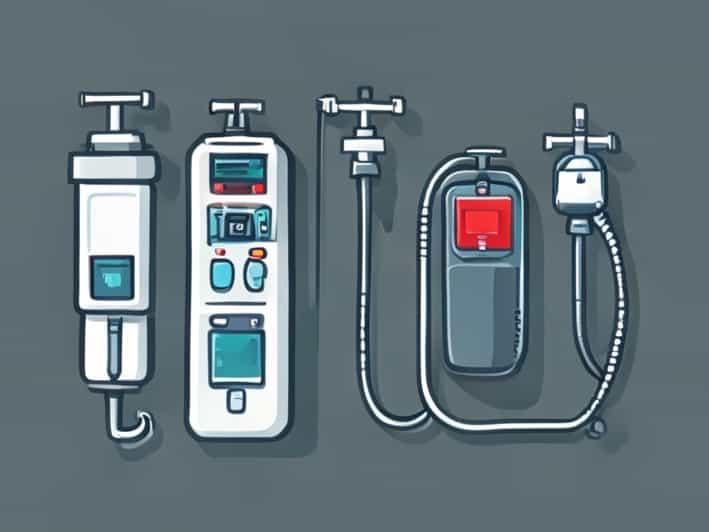
Setting up an infusion pump and a defibrillator is an essential part of modern clinical practice, especially in hospitals, emergency settings, and critical care environments where accuracy, safety, and coordination matter. These devices play a major role in patient support, whether delivering medications at a controlled rate or restoring normal heart rhythm during cardiac emergencies. Understanding the setup process in a clear and structured way helps healthcare learners, biomedical students, and technical staff appreciate how these systems function as part of patient care. This explanation focuses on practical concepts, safety awareness, and easy-to-understand descriptions related to infusion pump setup and defibrillator preparation, while emphasizing responsible and supervised use in medical environments.
Understanding the Role of Medical Equipment Setup
The setup of clinical devices such as infusion pumps and defibrillators involves more than simply switching on equipment. It requires awareness of patient safety, device calibration, environmental conditions, and proper handling techniques. Each device serves a specific purpose and must be prepared correctly before use to ensure accurate performance and reliable outcomes. In healthcare environments, setup procedures are typically handled by trained professionals, yet learning the basic concepts helps build technical understanding and reinforces the importance of precision and monitoring in patient support systems.
Why Proper Setup Matters
When infusion pumps or defibrillators are not prepared correctly, the risk of clinical error increases. An infusion pump that is incorrectly programmed may deliver too little or too much medication, while a defibrillator that is not checked or positioned appropriately may fail to perform when needed. Proper setup supports patient safety, device efficiency, and workflow coordination, especially in emergency care, anesthesia units, and intensive care settings where timing and accuracy are critical.
Setting Up an Infusion Pump Concepts and Workflow
An infusion pump is used to deliver fluids, medications, nutrients, or blood products at a controlled rate. The setup process focuses on preparation, verification, and monitoring. Instead of thinking of it as a single action, it can be seen as a sequence of careful steps guided by clinical policy and professional training. In many hospital environments, infusion pumps are also connected to monitoring systems, allowing staff to track delivery parameters and patient response.
Preparation and Safety Considerations
Before an infusion pump is prepared for patient use, several important checks are performed to support safety and accuracy. These include environmental inspection, device readiness, and patient-related verification. The goal is to ensure that everything is compatible, secure, and free from faults before therapy begins.
- Confirm that the infusion pump is in good working condition and has been inspected or serviced according to schedule.
- Ensure the power source is available, whether through battery or mains connection, and verify adequate charge.
- Review the infusion set or tubing for sterility, compatibility, and proper connection points.
- Check the medication or fluid label, concentration, and volume before loading.
- Ensure the intended flow rate and dosing parameters have been validated by a trained professional.
Selective verification is important because infusion therapy often involves critical medications such as antibiotics, electrolytes, or anesthetic agents where accuracy supports patient stability and treatment outcomes.
Loading and Programming Concepts
In educational terms, loading an infusion set into the pump involves aligning the tubing within the device mechanism so the pump can regulate the flow. The pump interface allows users to enter parameters such as infusion rate, total volume, and duration. These values are typically cross-checked by clinical staff to reduce the risk of dosing error. Throughout therapy, continuous observation ensures that the infusion pump is functioning as expected and that alarms or alerts are recognized promptly.
Setting Up a Defibrillator Function and Readiness
A defibrillator is a life-support device designed to deliver controlled electrical energy to the heart in specific emergency situations. Setting up a defibrillator focuses on readiness, safety awareness, and functional reliability. While defibrillation is performed only by trained professionals, understanding how the device is prepared enhances comprehension of emergency care systems and helps emphasize the importance of preparedness in clinical environments.
Defibrillator Readiness and Safety Awareness
In hospitals and emergency departments, defibrillators must remain ready for immediate use. This means they are checked routinely to confirm battery strength, electrode integrity, and operational status. Even though the device may not be used frequently, its availability in a functional state can be critical when sudden cardiac events occur.
- Verify that the device powers on correctly and completes functional self-checks.
- Ensure electrodes or pads are sealed, clean, and within expiration dates.
- Confirm that cables, paddles, or accessories are properly connected and stored securely.
- Check that the device settings correspond to institutional protocols and patient safety guidelines.
- Ensure the surrounding area allows safe operation without obstructions.
These verification measures support operational reliability and help prevent equipment failure during high-pressure clinical situations.
Positioning, Monitoring, and Communication
In an emergency environment, the setup of a defibrillator is closely linked to teamwork and communication. Positioning the device near the patient, ensuring visibility of the screen, and coordinating with clinical staff are important elements of the setup process. Monitoring leads or pads are applied as appropriate so that the rhythm can be assessed and the device can analyze electrical activity when required. Throughout the process, clear communication supports patient safety and allows rapid decision-making by healthcare providers.
Comparing Infusion Pump and Defibrillator Setup
Although both devices are essential to patient care, the setup processes differ significantly in purpose and urgency. An infusion pump supports ongoing therapy and requires careful calculation and monitoring over time, while a defibrillator is prepared for immediate emergency intervention. However, both share common themes such as safety verification, device inspection, and careful preparation before clinical use.
Key Similarities and Differences
- Both devices depend on accurate preparation, maintenance, and inspection routines.
- Infusion pumps support controlled and continuous delivery of fluids or medications.
- Defibrillators are emergency devices designed for rapid response to cardiac events.
- Monitoring, teamwork, and safety awareness are essential parts of both setup processes.
- Training, supervision, and compliance with clinical guidelines remain fundamental.
Understanding these distinctions helps reinforce why proper setup is integral to medical technology safety and effective patient care.
Importance of Training and Professional Supervision
While learning about the setup of infusion pumps and defibrillators is valuable from an educational perspective, actual operation and clinical decision-making must always be performed by trained healthcare professionals. These devices involve precise dosing, energy delivery, and patient assessment, all of which require specialized knowledge and experience. Training programs, simulations, and competency evaluations ensure that medical staff are able to manage equipment confidently and safely.
Building Technical Confidence in Clinical Settings
The ability to understand medical equipment setup contributes to better awareness, teamwork, and readiness in healthcare environments. Biomedical students, nursing learners, and clinical technicians benefit from gaining conceptual familiarity with equipment before working directly in patient care spaces. This foundation supports safe practice, improves communication, and enhances appreciation for the complexity of modern medical systems.
By exploring the principles involved in setting up an infusion pump and a defibrillator, we gain a clearer picture of how these devices contribute to patient safety, controlled therapy, and emergency response. The process highlights the importance of preparation, precision, and supervision, reinforcing the essential role of medical technology in high-quality healthcare delivery.