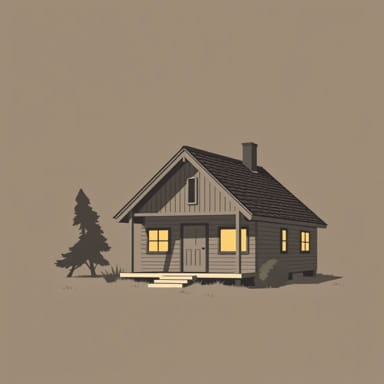
In the aftermath of global conflict, the need for peace, rebuilding, and reconnecting with the land gave rise to unique forms of rural revivalism. One such movement, known as the Sanctuary Homestead Postwar Edition, symbolizes a return to agrarian values blended with modern sensibilities. It stands as both a literal and symbolic structure part sanctuary, part homestead where postwar families and individuals could find purpose, solace, and sustainability. Designed to encourage self-reliance and reflect architectural grace, the Sanctuary Homestead became a meaningful expression of recovery and resilience in a changed world.
The Origins of the Sanctuary Homestead
The Sanctuary Homestead concept finds its roots in post-World War II ideology. During the late 1940s and early 1950s, many families across America and Europe sought more than just shelter they desired stability, healing, and reconnection to nature. The Postwar Edition of the Sanctuary Homestead was a response to this collective yearning. Drawing inspiration from both traditional farmsteads and modern design principles, these homesteads offered a harmonious blend of practicality and refuge.
Why the Concept Emerged
- Return to Simplicity: After the trauma of war, people were drawn to simple, slow, and meaningful lifestyles rooted in land and family.
- Economic Transition: Many wartime industries collapsed or shifted focus, prompting rural resettlement and small-scale farming.
- Architectural Innovation: A blend of form and function was necessary homes had to be efficient, affordable, and durable.
- Cultural Healing: The homestead served as a therapeutic space where individuals could find peace away from urban anxieties.
Architectural Features of the Postwar Edition
The design of the Sanctuary Homestead Postwar Edition was both intentional and symbolic. Architects and builders aimed to create homes that were not just physically protective but emotionally nurturing. The use of natural materials and open spaces was central to this design philosophy.
Key Characteristics
- Natural Integration: These homes were designed to harmonize with their surroundings, using stone, reclaimed wood, and locally sourced materials.
- Multi-Functional Spaces: Kitchens doubled as canning rooms, porches as drying spaces for herbs, and living rooms as communal gathering areas.
- Gardens and Livestock Areas: The homestead included fenced areas for poultry, plots for vegetables, and storage for root crops and preserves.
- Root Cellars and Shelters: Many designs retained wartime sensibilities, including root cellars that doubled as bomb shelters or storage spaces.
Living Philosophy of the Sanctuary Homestead
Beyond architecture, the Sanctuary Homestead Postwar Edition embraced a distinct way of living. It encouraged self-sufficiency, emotional grounding, and community participation. The homestead was more than a place it was a philosophy grounded in the belief that living simply could lead to a richer, more meaningful existence.
Core Values of the Homestead Lifestyle
- Self-Reliance: Families grew their own food, maintained their homes, and repaired their own tools and structures.
- Mindful Consumption: Reuse, repurpose, and reduce waste were part of everyday life.
- Intergenerational Living: Homes were often shared by multiple generations, promoting knowledge-sharing and emotional support.
- Skill-Based Learning: Children and adults alike participated in homestead chores, crafts, and agriculture, reinforcing practical education.
Postwar Economic Impact
The Sanctuary Homestead Postwar Edition also played a role in economic recovery. As countries rebuilt their economies, homesteads contributed to agricultural productivity, reduced housing shortages, and offered affordable living options. In many areas, government incentives encouraged veterans and civilians alike to take up homesteading on unused or reclaimed land.
Government Support and Policy
- Land grant programs encouraged rural development and ownership.
- Training programs taught veterans how to farm and build sustainable homesteads.
- Loans were made available for simple, practical building projects using native materials.
Cultural Legacy and Artistic Influence
Art and literature from the postwar period often reflect themes tied to the Sanctuary Homestead. Writers and artists depicted these spaces as sanctuaries from chaos, where people could rediscover what it meant to be human. The homes themselves appeared in paintings, novels, and even early television programming as idyllic symbols of the new era.
Inspiration for Future Generations
The values and aesthetics of the Sanctuary Homestead Postwar Edition have carried forward into modern homesteading movements. Today’s tiny home communities, permaculture farms, and off-grid living philosophies all share DNA with the postwar homestead ideal. These echoes show how powerful the original concept was in shaping how we view land, home, and healing.
Modern Interpretations and Revival
In the 21st century, a growing number of architects, environmentalists, and cultural historians are revisiting the Sanctuary Homestead Postwar Edition. These enthusiasts are not just restoring old homesteads they’re adapting the design principles for a world dealing with climate change, social fragmentation, and housing crises.
Modern Features Inspired by Postwar Homesteads
- Passive Solar Design: Natural lighting and heating inspired by traditional layouts.
- Rainwater Harvesting: Rooftop collection systems channel water for gardens and livestock.
- Composting Toilets and Greywater Reuse: Self-contained systems for sustainability.
- Community Integration: Neighborhood homestead clusters with shared tools and educational programs.
Why the Sanctuary Homestead Matters Today
In a world increasingly defined by urban sprawl, digital overload, and environmental uncertainty, the core values of the Sanctuary Homestead Postwar Edition remain deeply relevant. Its message of simplicity, care, and connectedness offers an antidote to modern alienation. Whether through full-scale revival or subtle design inspiration, the legacy of this movement continues to influence architecture, lifestyle, and culture today.
Lessons from the Past
The postwar generation understood something profound: recovery isn’t just physical it’s emotional and spiritual, too. The Sanctuary Homestead, with its nurturing design and grounded philosophy, offered a template for living well after hardship. Its emphasis on nature, family, and self-reliance continues to guide those seeking balance in turbulent times.
The Sanctuary Homestead Postwar Edition is more than a historical curiosity. It is a beacon of how thoughtful design and intentional living can foster healing and resilience. As we face new global challenges, its values provide both a mirror and a map. Whether we build one from scratch or simply embrace its mindset in our daily lives, the Sanctuary Homestead remains a powerful reminder that home can truly be a sanctuary.