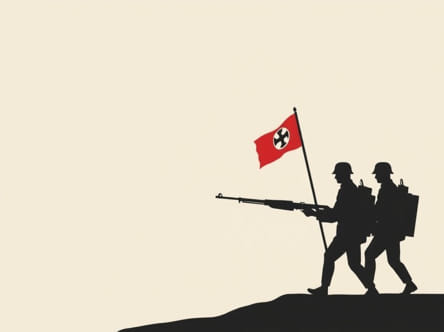
The Rhineland Militarization March of 1936 marked a significant turning point in the lead-up to World War II, as Nazi Germany openly defied the Treaty of Versailles and the Locarno Pact by sending troops into the demilitarized Rhineland. This bold move not only altered the balance of power in Europe but also exposed the weaknesses and reluctance of other European powers to confront Adolf Hitler’s aggressive ambitions. The remilitarization of the Rhineland was a carefully calculated gamble that reshaped diplomatic relations and set the stage for further expansionist policies by Nazi Germany.
Background: The Treaty of Versailles and the Rhineland
Following World War I, the Treaty of Versailles imposed strict restrictions on Germany to prevent future aggression. One of its key provisions was the demilitarization of the Rhineland, a strategically important region along the western border of Germany, adjacent to France, Belgium, and the Netherlands. The treaty prohibited German military forces from entering the Rhineland, creating a buffer zone intended to protect neighboring countries from potential German invasion.
The Locarno Pact
In 1925, the Locarno Pact reinforced the postwar order by guaranteeing the borders of Germany with France and Belgium, including the demilitarized status of the Rhineland. This pact was seen as a major step towards lasting peace in Western Europe and helped Germany gain entry into the League of Nations. The Rhineland’s demilitarized condition was a symbol of Germany’s limited sovereignty and a check on military power.
The Rise of Nazi Germany and Hitler’s Ambitions
When Adolf Hitler rose to power in 1933, he sought to overturn the restrictions imposed by the Treaty of Versailles and restore Germany’s military strength and national pride. Remilitarizing the Rhineland was central to his vision of revising the postwar order and asserting Germany as a dominant European power. Hitler believed that by reoccupying the Rhineland, he could strengthen Germany’s strategic position and send a message of defiance to the Allies.
Strategic Importance of the Rhineland
- Military Advantage: Control over the Rhineland would secure Germany’s western border and provide a buffer against potential French aggression.
- Political Symbolism: Remilitarization would demonstrate Germany’s rejection of humiliating restrictions and boost nationalist sentiment.
- Testing International Resolve: Hitler sought to gauge the reactions of Britain, France, and other powers to aggressive moves.
The March into the Rhineland
On March 7, 1936, German troops entered the Rhineland in a carefully orchestrated military operation that was both bold and risky. The German forces moved quickly and with limited numbers, avoiding direct confrontation but effectively breaking international agreements. The remilitarization was presented domestically as a triumphant reclaiming of German sovereignty and received enthusiastic support within Germany.
Hitler’s Calculations
Hitler’s decision to remilitarize the Rhineland was influenced by several factors:
- The German military was still relatively weak compared to France, so the operation was limited in scale.
- The League of Nations and Western powers were distracted by economic troubles and political divisions.
- Hitler gambled that Britain and France would not risk war over the Rhineland, a bet that proved correct.
International Reaction
The response from Britain, France, and other European powers was cautious and indecisive. While the remilitarization violated international treaties, the Western democracies were reluctant to confront Germany militarily. Britain viewed the move as understandable from Germany’s perspective and urged negotiation rather than confrontation. France, though alarmed, was politically divided and hesitant to act without British support.
Consequences of Appeasement
The failure of Britain and France to respond decisively emboldened Hitler and the Nazi regime. The Rhineland remilitarization demonstrated that Germany could defy international agreements with limited risk of immediate consequences. This event is often cited as an early example of the policy of appeasement, where concessions were made in hopes of avoiding conflict but ultimately encouraged further aggression.
Impact on European Politics and Military Balance
The remilitarization of the Rhineland significantly shifted the strategic landscape in Europe. Germany strengthened its western defenses and gained a psychological and political boost. The event undermined the credibility of the League of Nations and exposed the limitations of collective security agreements. For France and its allies, it was a wake-up call that required rethinking military and diplomatic strategies.
Long-Term Effects
- Encouraged Nazi Germany’s expansionist policies, including the Anschluss with Austria and the invasion of Czechoslovakia.
- Weakened the authority of the League of Nations and contributed to its eventual irrelevance.
- Highlighted divisions and weaknesses among Western powers that Hitler would exploit in subsequent years.
The Rhineland March in Historical Perspective
Historians view the Rhineland Militarization March of 1936 as a pivotal moment in the road to World War II. It symbolized the breakdown of the post-World War I peace system and the rise of Nazi Germany’s aggressive ambitions. The event revealed the dangers of underestimating authoritarian regimes and the consequences of failing to enforce international law. It also serves as a lesson in the complexities of diplomacy, military strategy, and the challenges faced by democracies in confronting threats.
Lessons Learned
- The importance of early and decisive response to violations of international agreements.
- The risks associated with appeasement policies that may encourage further aggression.
- The role of strategic geography in national security and international relations.
The Rhineland Militarization March of 1936 was a bold and decisive action by Nazi Germany that fundamentally altered the course of European history. By remilitarizing the Rhineland, Hitler defied the Treaty of Versailles and tested the resolve of Western powers, ultimately exposing their reluctance to confront aggression. This event marked a turning point, signaling the weakening of the postwar peace framework and setting the stage for the larger conflicts that would erupt just a few years later. Understanding the Rhineland remilitarization helps us appreciate the complexities of interwar diplomacy and the vital importance of upholding international law to maintain peace and security.