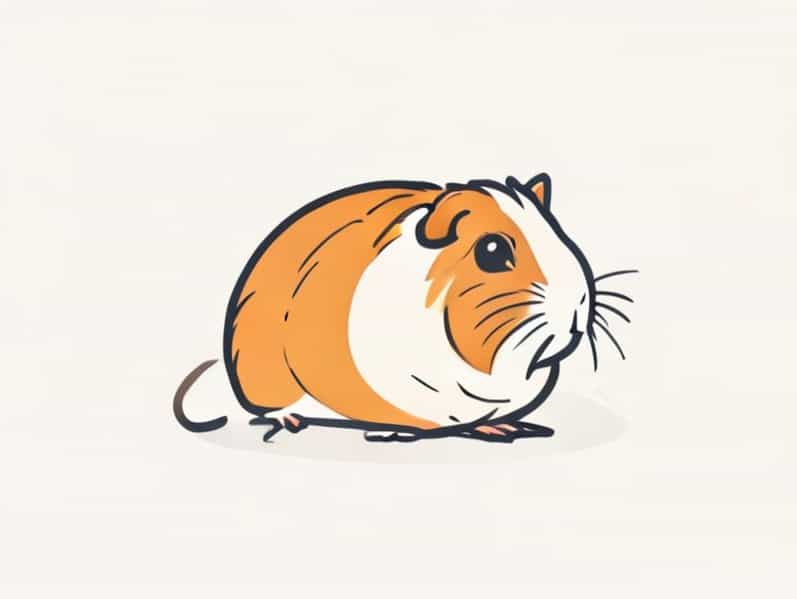
Guinea pigs are often seen as cute, quiet, and beginner-friendly pets. Their round bodies, gentle expressions, and soft sounds make them appealing, especially for families, children, or first-time pet owners. However, the decision to bring a guinea pig home should not be based on appearance alone. While they can be wonderful companions for the right person, there are many reasons why getting a guinea pig may not be the best choice for everyone. Understanding these reasons in advance can prevent stress, disappointment, and unintended neglect.
They Require More Space Than Expected
One of the most common misconceptions is that guinea pigs can live comfortably in small cages. In reality, they need a fairly large living area to stay healthy and active. Small pet store cages are often inadequate and can lead to physical and behavioral problems.
Guinea pigs need space to run, explore, and exercise daily. This usually means dedicating a significant portion of a room to their enclosure or letting them roam safely outside the cage. For people living in small apartments or shared housing, this space requirement can be a serious limitation.
High Maintenance for a Small Pet
Despite their size, guinea pigs are not low-maintenance pets. Their cages need frequent cleaning, often several times a week, because they produce a large amount of waste. Without regular cleaning, odors build up quickly and can affect both the animal’s health and the living environment.
In addition to cage cleaning, guinea pigs need daily care such as fresh hay, vegetables, clean water, and health checks. People with busy schedules may struggle to keep up with these daily responsibilities.
They Are Social Animals and Rarely Thrive Alone
Guinea pigs are highly social animals and generally should not be kept alone. In many places, animal welfare experts recommend keeping at least two guinea pigs together. While this is good for their emotional health, it also doubles the cost, space, and responsibility.
For someone who wants a single, low-effort pet, this social requirement can be a drawback. Introducing guinea pigs to each other also requires careful planning, time, and sometimes separate housing if they do not get along.
Veterinary Care Can Be Expensive and Limited
Many people assume that medical care for guinea pigs is cheap because they are small animals. In reality, veterinary care can be costly, especially because guinea pigs need exotic or specialized vets. Not all veterinary clinics treat guinea pigs, which can make finding proper care difficult.
Guinea pigs are also good at hiding illness, meaning health problems are often advanced by the time symptoms appear. This can lead to emergency visits, higher medical costs, and emotional stress for owners.
Common Health Issues
- Dental problems requiring regular monitoring
- Respiratory infections
- Digestive issues
- Vitamin C deficiency
They Need a Very Specific Diet
A guinea pig’s diet is more complex than many people realize. They require unlimited hay, daily fresh vegetables, specially formulated pellets, and a consistent intake of vitamin C. Unlike many animals, guinea pigs cannot produce their own vitamin C.
Feeding them incorrectly can quickly lead to serious health problems. This level of dietary precision may feel overwhelming for owners who prefer pets with simpler feeding needs.
Short Lifespan and Emotional Impact
Guinea pigs typically live between five to seven years, sometimes longer with excellent care. While this may seem reasonable, it can still be emotionally difficult, especially for children, to cope with the loss of a beloved pet.
For families hoping for a long-term companion or those who find pet loss particularly hard, this shorter lifespan is an important factor to consider.
They Are Not Always Ideal for Young Children
Guinea pigs are gentle but fragile. They can be easily injured if dropped or handled roughly. Young children may not yet have the coordination or understanding needed to handle them safely.
Additionally, guinea pigs can be startled by loud noises and sudden movements, which are common around children. This can lead to stress for the animal and frustration for the child if the pet seems fearful or unresponsive.
Noise Can Be an Issue
While guinea pigs are not loud in the traditional sense, they are vocal animals. They often squeak loudly when they hear food preparation or feel hungry. Some guinea pigs also make noises at night, which can be disruptive for light sleepers.
For people who value a quiet home environment, these sounds may become irritating over time rather than charming.
Travel and Flexibility Challenges
Guinea pigs require daily care, making travel more complicated. Leaving them alone for more than a day is not recommended, which means arranging a knowledgeable pet sitter whenever you are away.
Not everyone is comfortable caring for guinea pigs, and boarding options are limited compared to cats or dogs. This lack of flexibility can be restrictive for people who travel often or have unpredictable schedules.
Long-Term Commitment Is Often Underestimated
Because guinea pigs are small and commonly sold in pet stores, they are often seen as temporary or easy pets. In reality, they require a long-term commitment of time, money, and emotional energy.
Impulse purchases frequently lead to guinea pigs being rehomed or surrendered to shelters. Thinking carefully about the reasons not to get a guinea pig can help prevent this outcome.
Guinea pigs can be loving, entertaining, and rewarding pets, but they are not suitable for everyone. Their need for space, social interaction, specialized care, and daily attention makes them more demanding than many people expect. By understanding the reasons not to get a guinea pig, potential owners can make more responsible and informed decisions. Choosing the right pet means matching an animal’s needs with your lifestyle, resources, and long-term commitment, ensuring a better outcome for both humans and animals alike.