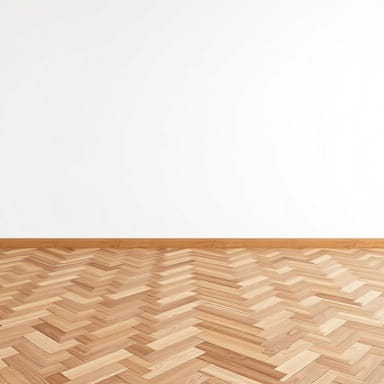
Real wood herringbone flooring is a timeless and elegant choice that brings a touch of classic craftsmanship into modern homes. With its signature zigzag pattern, this flooring style has been admired for centuries in European architecture and has now become a favorite in contemporary interior design. It offers warmth, character, and sophistication, making it ideal for both residential and commercial spaces. Whether you’re renovating a vintage home or designing a new, upscale environment, real wood herringbone flooring delivers aesthetic value and long-lasting performance that stands out from more generic floor options.
Understanding Herringbone Flooring
What Is Herringbone Pattern?
The herringbone pattern is created by laying rectangular wooden planks in a staggered zigzag formation, where each piece meets at a 90-degree angle. This design resembles the bones of a fish specifically a herring which gives the pattern its distinctive name. It differs from chevron flooring, which features planks cut at an angle to form a continuous V-shape. Herringbone offers a more intricate and traditional look, making it a preferred choice for classic interiors.
Why Choose Real Wood?
Opting for real wood instead of engineered or laminate alternatives adds authenticity, richness, and depth to your floors. Real wood herringbone flooring develops a natural patina over time, enhancing its visual appeal. It can also be sanded and refinished multiple times, offering greater longevity and sustainability compared to synthetic products.
Types of Real Wood for Herringbone Flooring
Oak
Oak is by far the most popular choice for real wood herringbone flooring due to its durability, grain variation, and availability. White oak provides a clean, contemporary look, while red oak introduces a slightly warmer hue. Both types accept stains well, giving homeowners flexibility in design.
Walnut
Walnut wood offers a rich, dark tone that brings elegance and drama to any space. It’s perfect for more formal rooms or areas where you want to make a design statement. Its softer surface may be more prone to dents, but its beauty is undeniable.
Maple and Ash
For a lighter, brighter appearance, maple and ash woods are excellent choices. These species are harder and more resistant to wear, making them suitable for high-traffic areas like hallways and living rooms.
Benefits of Real Wood Herringbone Flooring
- Classic Appeal: Adds visual interest and timeless elegance to any room.
- Customizable Finishes: Available in a variety of stains, textures, and sheens to match your interior style.
- Durable and Refinishable: Real wood can be sanded and refinished, extending the life of your flooring.
- Increases Property Value: High-end design and long-lasting materials can boost resale value.
- Eco-Friendly: When sourced responsibly, real wood is a renewable and biodegradable material.
Installation Considerations
Subfloor Preparation
Installing herringbone wood flooring requires a level and stable subfloor. Any irregularities can disrupt the pattern alignment and cause long-term issues. Most professionals recommend using plywood or concrete subfloors with proper underlayment for noise and moisture protection.
Layout Planning
Precise planning is crucial for herringbone installation. Since the pattern is highly structured, small mistakes in layout can lead to visible misalignment. The installation typically starts at the center of the room and works outward to ensure symmetry and balance.
Glue-Down vs. Floating Installation
Most real wood herringbone floors are glued down due to their complex pattern and need for stability. Floating floors are less common in herringbone applications but may be used in engineered wood products with click-lock systems. However, glue-down is recommended for solid wood to ensure longevity and proper adhesion.
Design Tips for Herringbone Flooring
Room Size and Layout
Herringbone flooring works well in both small and large rooms. In compact spaces, it can create an illusion of greater depth and dimension. In open layouts, it adds visual structure and a sense of cohesion. Aligning the pattern lengthwise with the longest wall often enhances the room’s proportions.
Color and Finish Selection
Neutral tones like light oak or ash complement modern minimalist designs, while dark walnut or rich cherry fits better in traditional or luxurious interiors. Matte finishes give a natural, understated look, while glossy finishes add elegance and formality.
Borders and Insets
Consider adding a border around the herringbone pattern for a polished, framed look. This is particularly effective in formal dining rooms, entryways, or areas where you want to highlight the flooring as a feature.
Maintenance and Care
Daily Cleaning
Use a soft broom or vacuum with a hardwood floor attachment to remove dust and debris. Avoid wet mops, as excessive moisture can damage real wood. A microfiber mop with a damp cloth is suitable for occasional cleaning.
Preventing Damage
- Use area rugs and runners in high-traffic zones.
- Place felt pads under furniture legs to prevent scratches.
- Wipe up spills immediately to avoid staining or warping.
- Maintain consistent humidity levels in the home to prevent expansion or contraction.
Refinishing
Over time, real wood herringbone floors may show signs of wear. The good news is that they can be sanded and refinished several times throughout their life. This process removes surface damage and restores the wood’s natural beauty, extending the floor’s lifespan significantly.
Cost Considerations
Material Costs
Real wood herringbone flooring tends to be more expensive than standard plank flooring due to the complexity of the pattern and the quality of materials. Costs will vary depending on the wood species, thickness, and finish. Premium woods like walnut are typically more costly than oak or ash.
Labor Costs
Because herringbone installation is labor-intensive and requires precision, the cost of installation is generally higher. Hiring experienced professionals ensures a flawless finish but may represent a significant portion of the overall budget. However, the aesthetic and long-term value often justify the investment.
Is Herringbone Right for You?
Real wood herringbone flooring is not just a trend it’s a design classic that has stood the test of time. It offers unmatched charm and character while being versatile enough to fit a variety of interior themes. From traditional homes with vintage accents to sleek modern apartments, this type of flooring makes a statement without being overbearing. While it may require a larger upfront investment and meticulous installation, the lasting beauty and performance make it a worthwhile addition to any home or space looking to elevate its appeal with natural materials and expert craftsmanship.