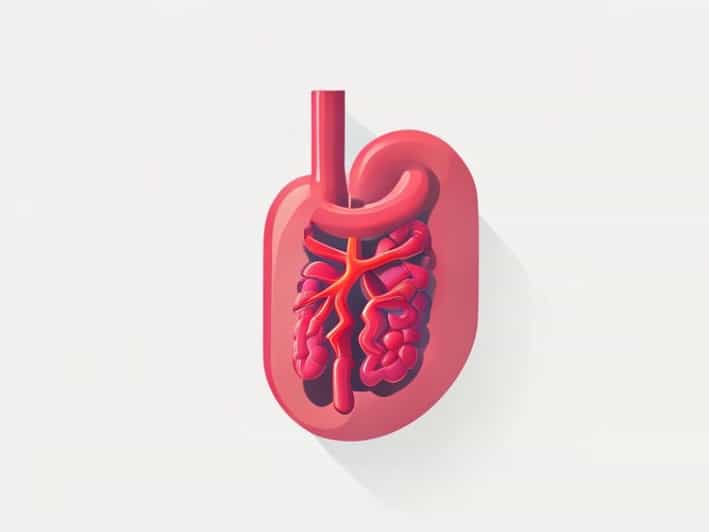
The human digestive system is a complex and carefully coordinated structure designed to break down food, absorb nutrients, and eliminate waste. Among its many components, one organ plays the most critical role in nutrient absorption. When people ask about the primary absorptive organ of the digestive system, they are usually referring to the small intestine. This organ is essential for survival because it is where most vitamins, minerals, proteins, fats, and carbohydrates enter the bloodstream and become available for the body to use.
Understanding the Digestive System as a Whole
The digestive system begins at the mouth and continues through a long tube that includes the esophagus, stomach, small intestine, large intestine, rectum, and anus. Each part has a specific function, from mechanical digestion to chemical breakdown and absorption.
While several organs contribute to digestion, not all of them absorb nutrients at the same level. Some mainly prepare food for absorption, while others focus on water balance or waste removal.
Digestion Versus Absorption
Digestion refers to the process of breaking food into smaller molecules. Absorption, on the other hand, is the movement of these molecules from the digestive tract into the blood or lymph. Understanding this difference helps explain why the small intestine is considered the primary absorptive organ of the digestive system.
Although minor absorption occurs in other areas, the small intestine is uniquely structured to maximize nutrient uptake.
The Small Intestine as the Primary Absorptive Organ
The small intestine is a long, narrow tube that connects the stomach to the large intestine. Despite its name, it is actually quite long, measuring several meters in adults. This length provides a large surface area for absorption.
Most nutrients from food are absorbed here, making the small intestine the central organ for supplying the body with energy and building materials.
Main Sections of the Small Intestine
The small intestine is divided into three main sections, each with a specific role in digestion and absorption.
- Duodenum
- Jejunum
- Ileum
The duodenum receives partially digested food from the stomach and mixes it with digestive enzymes and bile. The jejunum is the primary site of nutrient absorption, while the ileum absorbs remaining nutrients, including vitamin B12 and bile salts.
Structural Features That Support Absorption
One reason the small intestine is so effective is its specialized internal structure. The inner lining is not smooth; instead, it is covered with folds and tiny projections that dramatically increase surface area.
This design allows more contact between digested food and the absorptive cells.
Villi and Microvilli
The inner surface of the small intestine contains millions of finger-like projections called villi. Each villus is covered with even smaller structures known as microvilli, forming what is called the brush border.
This arrangement increases the absorptive surface area many times over, allowing nutrients to be absorbed efficiently and quickly.
How Nutrients Are Absorbed
Nutrient absorption in the small intestine occurs through several mechanisms, depending on the type of nutrient. These processes ensure that the body receives what it needs while maintaining balance.
Carbohydrates, proteins, fats, vitamins, and minerals all follow specific pathways into the bloodstream or lymphatic system.
Absorption of Carbohydrates and Proteins
Carbohydrates are broken down into simple sugars, while proteins are broken into amino acids. These small molecules pass through the intestinal lining and enter the bloodstream, where they are transported to cells throughout the body.
This process provides energy and raw materials for growth and repair.
Absorption of Fats
Fats follow a slightly different path. They are absorbed into lymphatic vessels within the villi before entering the bloodstream. This specialized process highlights how adaptable the small intestine is as the primary absorptive organ of the digestive system.
Fat-soluble vitamins are absorbed along with dietary fats.
Role of the Large Intestine
Although the small intestine handles most nutrient absorption, the large intestine also plays a supportive role. Its main function is to absorb water and electrolytes, helping maintain fluid balance in the body.
Some vitamins produced by gut bacteria are also absorbed in the large intestine, but this is limited compared to the small intestine.
Why the Large Intestine Is Not the Primary Absorptive Organ
The structure of the large intestine is not designed for extensive nutrient absorption. It lacks villi and has a much smaller surface area. Its primary purpose is waste processing rather than nutrient uptake.
This difference further emphasizes the unique role of the small intestine.
Importance of a Healthy Small Intestine
A healthy small intestine is essential for overall well-being. When absorption is impaired, the body may suffer from nutrient deficiencies, even if food intake is adequate.
Conditions that affect the small intestine can disrupt digestion and absorption, leading to fatigue, weight loss, and weakened immunity.
Factors That Support Digestive Health
Maintaining a balanced diet, staying hydrated, and supporting gut health all contribute to proper absorption. Enzymes, hormones, and a healthy intestinal lining work together to keep the system functioning efficiently.
Awareness of the small intestine’s role helps people understand the importance of digestive health.
Educational Importance of This Topic
The question about the primary absorptive organ of the digestive system frequently appears in biology exams and health education. It tests understanding of anatomy, physiology, and the relationship between structure and function.
Learning this concept helps students connect scientific theory with everyday processes like eating and digestion.
The small intestine is rightly recognized as the primary absorptive organ of the digestive system. Its length, specialized structure, and efficient transport mechanisms make it uniquely suited for absorbing nutrients essential to life.
By understanding how the small intestine works and why it is so important, people gain a deeper appreciation for the digestive system and the vital role it plays in maintaining health and energy every day.