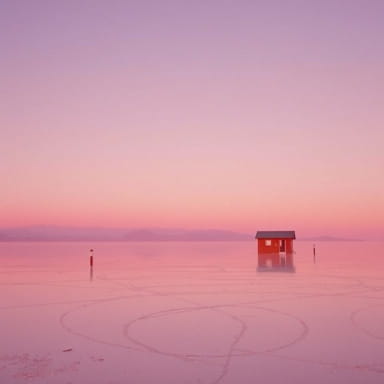
Plagues and Pleasures on the Salton Sea is a fascinating documentary that dives into the strange, surreal, and sometimes tragic history of California’s largest inland lake. This film doesn’t just chronicle the environmental challenges of the Salton Sea but also explores the quirky characters and communities who call this place home. The documentary captures the mix of beauty, decay, and resilience in a region where nature and humanity intersect in dramatic ways. For those unfamiliar with the Salton Sea, this story is an unforgettable journey through history, culture, and environmental reality.
The Origins of the Salton Sea
The Salton Sea was created by accident in the early 1900s when irrigation canals from the Colorado River broke and flooded the Salton Sink. What was once a desert basin turned into a massive inland sea. Over time, the lake became a popular tourist destination, attracting people from all over California. In the 1950s and 1960s, it was marketed as a desert paradise, with yacht clubs, resorts, and thriving fishing spots. Celebrities visited the area, and it seemed like the Salton Sea was destined for greatness. However, beneath this glamorous façade, a looming environmental crisis was beginning to take shape.
The Rise and Fall of a Desert Paradise
As the Salton Sea lacked an outlet, the only way water could leave was through evaporation. Over the decades, agricultural runoff from surrounding farms flowed into the lake, bringing salts, chemicals, and pesticides. With no natural drainage, these substances accumulated, making the water increasingly saline and toxic. Fish populations began to collapse, and massive die-offs of tilapia and other species became a common sight. Migratory birds, once abundant in the area, also suffered, leading to ecological devastation. The once-thriving resorts were abandoned, leaving behind ghost towns and eerie remnants of what was once considered California’s Riviera.
The Documentary’s Unique Approach
Plagues and Pleasures on the Salton Sea takes a distinctive approach by blending dark humor with hard-hitting environmental commentary. Narrated by cult icon John Waters, the film balances tragic realities with the eccentric charm of the local residents. Through interviews and personal stories, viewers meet people who refuse to leave, even as the community crumbles around them. These individuals share their dreams, struggles, and hopes for a place most outsiders see as unlivable. The contrast between their optimism and the harsh conditions creates a narrative that is both heartbreaking and oddly uplifting.
The Environmental Crisis at the Salton Sea
One of the most pressing themes in the documentary is the ongoing environmental disaster. As water levels drop and salinity rises, the Salton Sea faces a future of ecological collapse. The shoreline, once bustling with life, is now a mix of fish carcasses and white, dusty beaches made from crushed bones. The exposed lakebed contains toxic chemicals that, when carried by the wind, pose serious health risks to nearby communities. Residents report respiratory problems, and scientists warn of long-term health hazards. This environmental catastrophe is not just a local issue it has implications for wildlife migration patterns and regional air quality.
- Rising Salinity: The water’s salt levels are now higher than the ocean, making it nearly impossible for most aquatic life to survive.
- Toxic Dust: As the shoreline recedes, dust from the exposed lakebed becomes airborne, spreading pollutants into surrounding towns.
- Wildlife Loss: The lake was once a critical stop for millions of migratory birds, but shrinking habitat threatens these populations.
The People of the Salton Sea
While the environmental story is bleak, the documentary shines a light on the resilience and eccentricity of the people who live there. These residents include retirees, artists, and those seeking an alternative lifestyle away from mainstream society. Their stories are as compelling as the landscape itself. Some hold on to the dream of revitalization, while others embrace the desolation, turning abandoned spaces into art installations and cultural statements. This human element adds depth to the narrative, making Plagues and Pleasures on the Salton Sea more than just an environmental documentary it becomes a story about perseverance and identity in the face of decline.
Cultural Oddities and Local Color
The documentary also captures the bizarre and colorful culture of the Salton Sea. Events like Bombay Beach Biennale bring artists and tourists into the area, transforming decaying spaces into vibrant expressions of creativity. From eccentric sculptures to community murals, the art scene offers hope and beauty amid ruin. This creative revival contrasts sharply with the stark reality of environmental decay, underscoring the dual nature of the Salton Sea both a place of death and a canvas for human imagination.
Why the Salton Sea Matters
Plagues and Pleasures on the Salton Sea emphasizes that the lake’s problems extend beyond aesthetics. Its decline impacts public health, regional economies, and ecosystems across the western United States. The documentary calls attention to the lack of government intervention and the political challenges of addressing a crisis that doesn’t easily fit into conventional policy priorities. It serves as a reminder that environmental neglect has far-reaching consequences, and urgent action is needed to prevent further devastation.
Lessons from the Documentary
There are several key lessons viewers can take away from the film:
- The importance of environmental stewardship and long-term planning.
- How unchecked development and water mismanagement can lead to disaster.
- The resilience of human communities in the face of adversity.
Legacy and Cultural Impact
Since its release, Plagues and Pleasures on the Salton Sea has become a cult favorite among environmentalists and documentary enthusiasts. Its blend of humor, tragedy, and quirky storytelling has made it a standout in the genre. Beyond entertainment, the film has sparked conversations about sustainability, resource management, and the role of art in revitalizing struggling communities. The Salton Sea remains a symbol of both human ambition and hubris a man-made accident turned ecological time bomb, yet still capable of inspiring beauty and creativity.
Plagues and Pleasures on the Salton Sea is more than a documentary; it is a journey into a forgotten corner of America where nature and culture collide in unexpected ways. It leaves viewers with a mix of emotions sadness for what has been lost, admiration for those who endure, and a lingering question about the future of the Salton Sea. For anyone interested in environmental documentaries with a unique and human-centered perspective, this film is essential viewing. It is a story of hope and despair, beauty and decay, all set against the haunting backdrop of a vanishing sea.