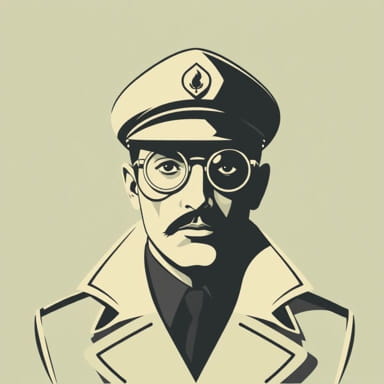
Percy Toplis was a British soldier whose life story has become a blend of fact, myth, and legend. Known as the Monocled Mutineer, Toplis gained notoriety during and after World War I for his alleged involvement in the Étaples mutiny in France and for evading capture for years. His life, filled with daring escapades and criminal exploits, fascinated the public and remains a compelling tale of rebellion, deception, and mystery. This topic explores the biography of Percy Toplis, the historical context of his actions, and his transformation into a legendary figure.
Early Life and Background
Percy Toplis was born on August 22, 1896, in Chesterfield, Derbyshire, England. He grew up in a working-class family and was known for his intelligence and rebellious nature from an early age. By the time he was a teenager, Toplis had already been involved in various petty crimes, including fraud and theft. His early encounters with the law marked the beginning of a lifelong pattern of defiance and deception.
Entry into the British Army
Toplis enlisted in the British Army during World War I, joining the Royal Army Service Corps. Due to his intelligence and cunning, he managed to rise through the ranks and even impersonated officers on several occasions. He was known for his flamboyant style, often wearing a monocle, which later earned him the nickname The Monocled Mutineer.
The Étaples Mutiny
The Étaples mutiny occurred in September 1917 at a British military base in Étaples, France. Harsh conditions, strict discipline, and poor treatment by military authorities led to unrest among the troops. While the official records remain vague, it is widely believed that Percy Toplis played a central role in organizing and leading the rebellion.
Was Toplis Really the Ringleader?
There is ongoing debate among historians regarding Toplis’s actual involvement in the mutiny. Some argue that his role has been exaggerated or even fabricated, while others claim he was indeed a prominent figure in the uprising. The secrecy surrounding the event and the British government’s reluctance to fully disclose the details only add to the mystery.
Life on the Run
After the war, Toplis became a wanted man. Accused of desertion, robbery, and even murder, he went into hiding and lived under various aliases across the United Kingdom. His ability to elude capture was remarkable, and he reportedly disguised himself as everything from a doctor to a clergyman.
Criminal Activities
During his time on the run, Toplis continued engaging in criminal activities. He was involved in multiple armed robberies and is suspected in the killing of a taxi driver in Hampshire. His crimes kept him in the public eye, and newspapers of the time were filled with sensational stories about the elusive outlaw.
Final Pursuit and Death
Toplis’s run came to an end in June 1920, when he was spotted in Cumberland. After a brief chase and exchange of gunfire with police, he was shot and killed near Penrith. His death marked the conclusion of one of the most dramatic manhunts in British history. He was only 23 years old at the time of his death.
The Legend of the Monocled Mutineer
Although Percy Toplis lived a short life, his story captured the imagination of the British public. Over the years, he has been the subject of books, topics, and a highly controversial BBC television drama titled ‘The Monocled Mutineer’ which aired in 1986. The series was based on a biography by William Allison and John Fairley, which presented Toplis as a courageous rebel who stood against military injustice.
Controversy and Historical Debate
The portrayal of Toplis as a hero has been met with criticism from some historians and military officials. Critics argue that the TV series romanticized a criminal and failed to present accurate historical facts. Nonetheless, the story has continued to intrigue readers and viewers, blurring the lines between truth and myth.
Impact and Legacy
Whether hero or villain, Percy Toplis left a significant mark on British cultural history. His story reflects the broader tensions of wartime Britain between authority and dissent, loyalty and resistance. His legend is part of a tradition of outlaw figures who challenge the status quo and fascinate future generations.
Relevance to British Military History
The Étaples mutiny, though rarely discussed in official history, is an important episode that revealed the pressures faced by soldiers during World War I. Toplis’s alleged involvement brings attention to the darker side of military discipline and the human cost of war. His story offers a lens through which to examine the lived experiences of those who fought and suffered during the conflict.
Cultural Reflections
Toplis continues to be a subject of interest in modern British culture. His story symbolizes resistance and individuality in the face of rigid institutional control. Writers, filmmakers, and historians revisit his life to explore themes of justice, rebellion, and identity.
Key Facts About Percy Toplis
- Full Name: Percy Toplis
- Born: August 22, 1896, in Chesterfield, England
- Nickname: The Monocled Mutineer
- Military Unit: Royal Army Service Corps
- Notable Allegation: Involvement in the Étaples Mutiny (1917)
- Died: June 6, 1920, shot by police in Cumberland
Percy Toplis remains one of the most enigmatic figures in early 20th-century British history. His life, full of controversy, rebellion, and defiance, continues to spark curiosity and debate. Whether he was truly a mutineer or merely a criminal with a knack for deception, the legend of the Monocled Mutineer has endured. His story serves as a reminder of the complexities of war, authority, and the individuals who resist both. For researchers, historians, and the general public, Percy Toplis remains a symbol of mystery and rebellion.