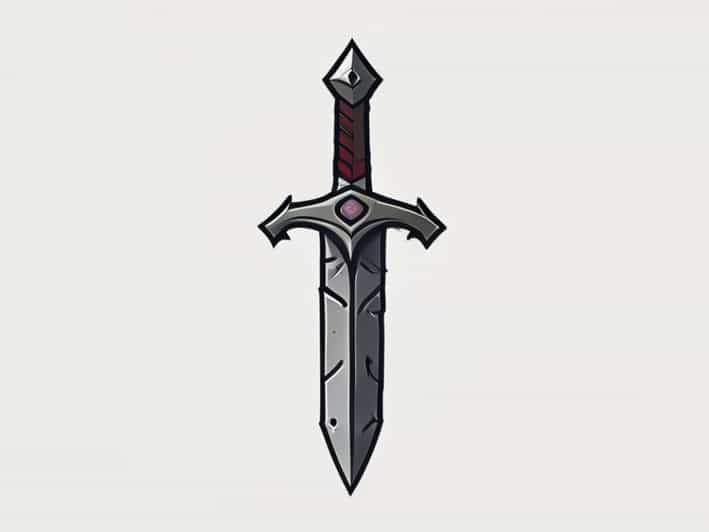
In the vast and detailed world of Pathfinder Wrath of the Righteous, players encounter countless weapons, artifacts, and story elements that enrich the role-playing experience. Among these, the Funerary Dagger stands out as a unique and memorable item. More than just a weapon, the Funerary Dagger carries symbolic meaning, mechanical relevance, and narrative depth that reflect the dark themes of the game. Its presence ties into the broader atmosphere of death, corruption, and moral struggle that defines the crusade against the demonic forces of the Worldwound.
The Role of Items in Pathfinder Wrath of the Righteous
Pathfinder Wrath of the Righteous is known for its complex itemization system. Weapons, armor, and magical artifacts are not only tools for combat but also storytelling devices. Each item often has a backstory, a cultural origin, or a specific purpose tied to the lore of Golarion. This design choice deepens immersion and encourages players to pay attention to even seemingly minor discoveries.
The Funerary Dagger fits perfectly within this design philosophy. It is not simply another blade with statistics; it represents ritual, belief, and the darker traditions of certain cultures within the game world.
What Is the Funerary Dagger?
The Funerary Dagger in Pathfinder Wrath of the Righteous is a ritualistic weapon associated with death rites and burial practices. Its name alone suggests that it was not originally designed for battlefield combat, but rather for ceremonial use. Such daggers are often connected to honoring the dead, preparing bodies for burial, or symbolically guiding souls into the afterlife.
In the game, this item often appears during moments tied to death, sacrifice, or moral ambiguity. It reinforces the theme that not all weapons exist for glory or conquest; some are reminders of loss, duty, and tradition.
Lore and Symbolism Behind the Funerary Dagger
The lore surrounding the Funerary Dagger reflects the darker spiritual traditions found throughout the Pathfinder universe. Many cultures in Golarion believe that proper burial rites are essential for preventing restless spirits or undead manifestations. The dagger, in this context, becomes a sacred tool meant to maintain balance between the living and the dead.
Symbolically, the dagger represents transition. It marks the boundary between life and death, faith and fear, duty and compassion. When players encounter or use the Funerary Dagger, they are often reminded that the crusade is not just about slaying demons, but also about confronting mortality itself.
Gameplay Mechanics and Practical Use
From a gameplay perspective, the Funerary Dagger may not always be the most powerful weapon statistically, but it carries situational value. Depending on character build and story choices, it can provide bonuses related to specific enemy types, rituals, or quest interactions.
Some players choose to keep the dagger not for combat efficiency, but for role-playing consistency. Characters with religious backgrounds, necromantic knowledge, or strong moral codes may find symbolic importance in wielding or carrying such an item. This reinforces Pathfinder’s strength as a role-playing game where narrative choices matter as much as numerical optimization.
Connection to Themes of Death and Redemption
One of the strongest themes in Pathfinder Wrath of the Righteous is the struggle between corruption and redemption. The Funerary Dagger fits naturally into this theme. It represents how death can be both an end and a beginning, depending on how it is approached.
For some characters, the dagger may symbolize respect for fallen allies or a reminder of the cost of war. For others, it may serve as a grim tool used in darker rituals. This duality allows players to project their own moral interpretations onto the item, making it more than just an inventory entry.
Role-Playing Opportunities
Players who enjoy deep role-playing often find the Funerary Dagger to be a powerful narrative device. It can become part of a character’s personal story, representing guilt, duty, or devotion to a higher cause. A lawful character might view it as a sacred instrument, while a chaotic or morally conflicted character may see it as a symbol of inner turmoil.
The dagger also fits well into role-playing choices involving faith-based classes, such as clerics or inquisitors, as well as characters tied to death-related domains. Its presence can influence dialogue decisions and personal headcanon, enriching the overall experience.
Why the Funerary Dagger Stands Out
Among the many items available in Pathfinder Wrath of the Righteous, the Funerary Dagger stands out because of its subtle storytelling. It does not rely on flashy effects or overwhelming power. Instead, it leaves an impression through atmosphere and meaning.
This design choice reflects the game’s broader philosophy meaningful items are not always the strongest, but they are often the most memorable. Players may forget a sword with high damage numbers, but they remember a dagger tied to a moment of sacrifice or moral conflict.
The Funerary Dagger in Pathfinder Wrath of the Righteous is a powerful example of how thoughtful item design can enhance storytelling and immersion. Through its symbolic connection to death, ritual, and moral choice, it adds depth to the game’s already rich narrative world. Whether used in combat, kept as a relic, or simply remembered as part of a meaningful quest, the Funerary Dagger represents the emotional weight carried by those who walk the path between light and darkness in the crusade against chaos.