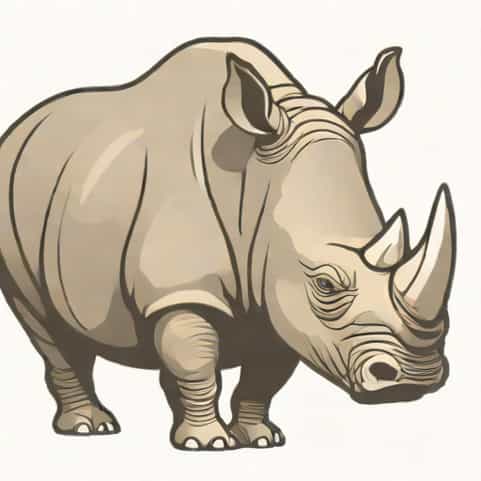
In the wild plains of Africa, few relationships are as fascinating as the one between the oxpecker bird and the rhinoceros. Watching small birds perch on the backs of massive rhinos is a common sight in African savannas, and this partnership has intrigued biologists for decades. Many people wonder what kind of symbiosis this is whether it’s mutually beneficial, parasitic, or something in between. The oxpecker and rhino relationship is a powerful example of how two very different species can interact in ways that influence each other’s survival. By examining their behavior, feeding habits, and ecological roles, we can better understand what type of symbiosis defines this iconic pair.
Introducing the Oxpecker and the Rhino
The oxpecker is a small bird found across sub-Saharan Africa, often seen riding on large mammals like rhinos, buffaloes, and giraffes. There are two main species thered-billed oxpecker(Buphagus erythrorhynchus) and theyellow-billed oxpecker(Buphagus africanus). Both species share a similar diet and behavior, feeding primarily on ticks, dead skin, and other parasites found on their hosts’ bodies. The rhino, being one of the largest land mammals, offers an ideal platform for these birds to find food and stay protected from ground predators.
Rhinoceroses, especially white and black rhinos, are often covered with parasites due to their thick, wrinkled skin. They also have limited mobility and poor eyesight, making it hard for them to remove insects or detect danger. This creates a perfect opportunity for the oxpecker to assist them at least on the surface. However, the relationship between oxpeckers and rhinos is not as simple as it first appears.
Understanding Symbiosis
To understand the connection between oxpeckers and rhinos, it’s important to define whatsymbiosismeans. Symbiosis is a biological interaction between two different species that live closely together and affect each other’s lives. There are three main types of symbiotic relationships
- MutualismBoth species benefit from the relationship.
- CommensalismOne species benefits while the other is neither helped nor harmed.
- ParasitismOne species benefits at the expense of the other.
At first glance, the relationship between the oxpecker and the rhino seems to be a perfect example ofmutualism. The bird eats ticks and insects that irritate the rhino’s skin, while the rhino provides the bird with food and a safe resting place. However, research over the years has revealed that this relationship is more complex than once thought.
The Mutualistic Side of the Relationship
In many cases, oxpeckers do provide clear benefits to their hosts. By feeding on ticks, flies, and other parasites, they reduce the burden of these pests on rhinos and other large mammals. These parasites can cause infections, blood loss, and irritation, so their removal improves the host’s comfort and health. Oxpeckers also clean wounds by picking off dead tissue, which may help prevent infections. This cleaning behavior has been observed in rhinos, buffaloes, and antelopes across Africa.
Additionally, oxpeckers serve as an early warning system. Rhinos have poor eyesight and rely heavily on hearing and smell to detect danger. When an oxpecker senses an approaching predator or human, it emits loud alarm calls. The rhino responds by becoming alert, often moving away from the threat. In this way, the oxpecker acts as a living alarm, enhancing the rhino’s awareness of its surroundings and helping it avoid potential danger.
Examples of Mutual Benefits
- The oxpecker gains an abundant and consistent food source from the rhino’s skin.
- The rhino benefits from parasite removal and improved skin health.
- The bird’s alarm calls may protect both the rhino and the oxpecker from predators.
These examples illustrate why the oxpecker-rhino relationship has long been classified as mutualistic. However, as with many interactions in nature, the story has another side.
The Parasitic and Controversial Side
Recent studies have suggested that the oxpecker-rhino relationship may not be entirely beneficial to the rhino. While oxpeckers do remove some parasites, they also engage in behaviors that can harm their hosts. For example, oxpeckers have been observed to peck at open wounds on rhinos, keeping them bleeding and preventing them from healing. The birds seem attracted to the blood, and instead of helping the wound heal, they may prolong it for their own feeding purposes.
Additionally, while the birds eat many ticks, they sometimes prefer to drink blood directly rather than eat the ticks attached to the skin. This means the oxpecker’s presence could cause irritation or stress to the rhino. In such cases, the relationship leans more towardparasitismthan mutualism.
Evidence of Harmful Behavior
- Oxpeckers peck open healing wounds to feed on blood.
- They may increase infection risks by keeping wounds exposed.
- Rhinos sometimes shake their heads or move away to dislodge the birds, indicating discomfort.
These behaviors have led scientists to reconsider the traditional view of the oxpecker-rhino partnership. Some now classify it as a mix between mutualism and parasitism depending on the situation and individual behavior of the birds.
Behavioral Observations in the Wild
Field researchers studying African wildlife have documented that oxpeckers often spend long hours perched on rhinos, sometimes feeding peacefully and other times aggravating wounds. Interestingly, not all rhinos tolerate oxpeckers equally. Some species, like the white rhino, appear more tolerant, while black rhinos often try to shake them off.
Behavioral variation may also depend on environmental conditions. In regions where parasites are abundant, the oxpecker’s cleaning service may outweigh its harmful tendencies. In areas with fewer parasites, the bird’s habit of pecking at wounds may become more problematic. Therefore, the type of symbiosis can shift depending on ecological context.
Ecological Importance of the Relationship
Despite the debate over whether oxpeckers are friends or foes to rhinos, their ecological role is still significant. By feeding on ticks and parasites, oxpeckers help regulate insect populations that could otherwise grow unchecked. This indirectly benefits many animals in the ecosystem. Moreover, the birds rely heavily on large mammals for survival, meaning their populations are closely tied to those of rhinos, buffaloes, and giraffes. If these large mammals decline due to poaching or habitat loss, oxpeckers will also suffer.
In this sense, the relationship between oxpeckers and rhinos symbolizes the interconnectedness of life in the savanna. Each species, whether big or small, influences the survival of others. Protecting rhinos also means protecting the oxpecker and maintaining the natural balance of their environment.
Different Perspectives on Symbiosis Type
So, what kind of symbiosis is it mutualism, commensalism, or parasitism? The answer depends on how we interpret the evidence
- MutualismWhen oxpeckers remove ticks and alert rhinos to danger, both species benefit.
- ParasitismWhen oxpeckers feed on blood or keep wounds open, they harm the rhino for their own gain.
- CommensalismSome interactions might be neutral such as when the bird perches on the rhino without significantly helping or harming it.
Most scientists now agree that the relationship between oxpeckers and rhinos isfacultative mutualism with parasitic tendenciesmeaning it is mostly mutualistic but can become parasitic under certain circumstances. This complex dynamic makes it one of the most intriguing examples of symbiosis in nature.
Lessons from Nature’s Partnerships
The oxpecker-rhino relationship teaches valuable lessons about the balance and complexity of ecosystems. It reminds us that nature rarely fits into simple categories. A partnership that appears beneficial may hide subtle costs, and interactions can shift depending on environmental conditions. Such flexibility is part of what makes ecosystems resilient and adaptive.
Moreover, studying these relationships helps conservationists better understand how species depend on one another. Protecting rhinos from extinction doesn’t just save one species it safeguards an entire network of relationships, including those with oxpeckers, insects, and vegetation. Each plays a role in the greater ecological story of Africa’s grasslands.
The question “What type of symbiosis exists between oxpecker birds and rhinos?” has no single, simple answer. While the partnership is often described asmutualism, it also contains elements ofparasitismandcommensalism. Oxpeckers help rhinos by removing parasites and acting as early warning systems, yet they may harm them by feeding on blood or irritating wounds. This balance of benefit and harm shows how nature is filled with complex interactions that evolve over time. The oxpecker and rhino relationship stands as a perfect reminder that survival in the wild is rarely straightforward it’s a constant negotiation between cooperation and self-interest.