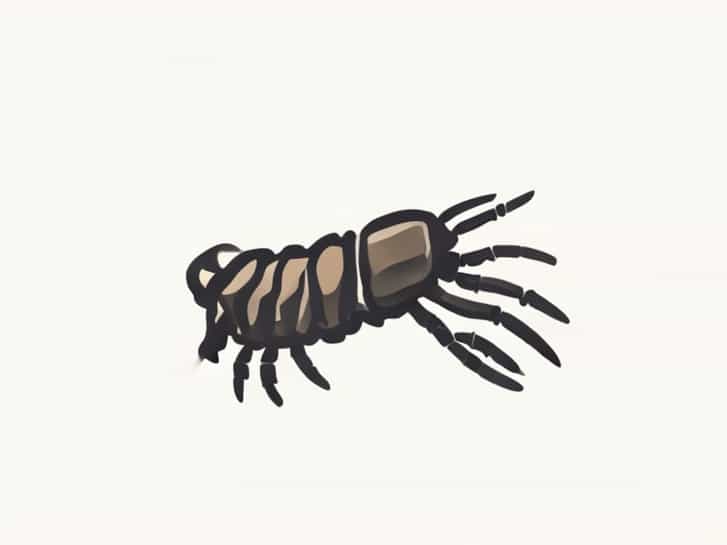
In the animal kingdom, invertebrates represent a highly diverse group of organisms that lack a vertebral column or backbone. Among these invertebrates, there exists a fascinating phylum characterized by the presence of an exoskeleton and a segmented body. These structural features provide support, protection, and flexibility, allowing the organisms to thrive in various environments from terrestrial to aquatic habitats. Understanding this invertebrate phylum, including its anatomy, physiology, diversity, and ecological significance, provides valuable insight into evolutionary biology and the complexity of life forms without internal skeletons.
Introduction to Invertebrates with Exoskeletons and Segmented Bodies
Invertebrates are animals without a backbone, and they make up the majority of known animal species on Earth. Within this vast group, a particular phylum stands out for its distinctive combination of an external skeleton, known as an exoskeleton, and a segmented body plan. This phylum, Arthropoda, includes familiar animals such as insects, crustaceans, spiders, and centipedes. The exoskeleton serves as a rigid protective covering made primarily of chitin, while body segmentation allows for specialized regions and enhanced mobility.
Phylum Arthropoda Overview
Phylum Arthropoda is the largest and most diverse phylum in the animal kingdom, encompassing over a million described species and many more yet to be discovered. Members of this phylum are found in virtually every ecosystem, from the deepest ocean trenches to the highest mountain peaks. The phylum is defined by several key features
- ExoskeletonA rigid, chitinous outer covering that provides protection against predators, prevents desiccation, and supports the attachment of muscles.
- Segmented BodyDivision of the body into repeating segments, often organized into functional regions such as head, thorax, and abdomen.
- Jointed AppendagesLimbs and antennae with articulated joints that enhance mobility and manipulation of the environment.
- Open Circulatory SystemA circulatory system in which blood flows into body cavities, bathing organs directly in hemolymph.
- Complex Nervous SystemVentral nerve cord with segmented ganglia coordinating movement and sensory input.
Exoskeleton Structure and Function
The exoskeleton of arthropods is composed mainly of chitin, a polysaccharide, often reinforced with proteins and, in crustaceans, calcium carbonate. This external skeleton has several important functions
- Protection against physical injury and predation.
- Support for body structure and muscle attachment, enabling efficient movement.
- Prevention of water loss in terrestrial species, allowing survival in arid conditions.
- Periodic molting (ecdysis) to allow growth, as the rigid exoskeleton does not expand.
Molting is a critical aspect of arthropod development. The old exoskeleton is shed, and a new, larger one forms. This process is regulated by hormones and involves vulnerability to predators until the new exoskeleton hardens.
Segmented Body Adaptation and Specialization
Segmentation is a hallmark of the phylum Arthropoda. The body is divided into repetitive units or segments, each potentially carrying specialized appendages. This segmentation allows for functional specialization and greater mobility. Insects typically exhibit three main body regions the head, thorax, and abdomen. Crustaceans often have cephalothorax and abdomen regions, while myriapods display elongated, many-segmented bodies. Segmentation enables
- Specialization of body parts for feeding, locomotion, and reproduction.
- Efficient coordination of movement through muscular and nervous integration.
- Evolutionary flexibility, allowing different body plans to adapt to diverse ecological niches.
Diversity of Arthropods
Arthropods are divided into several major classes, each demonstrating unique adaptations
Insects
Insects are the most diverse group within Arthropoda, characterized by three body segments, six legs, compound eyes, and one or two pairs of wings in many species. They occupy virtually all terrestrial habitats and are critical to ecosystems as pollinators, decomposers, and prey for other animals.
Crustaceans
Crustaceans, including crabs, lobsters, and shrimp, primarily inhabit aquatic environments. Their exoskeletons are often reinforced with calcium carbonate for added strength. Crustaceans possess specialized appendages for feeding, swimming, and defense, and many exhibit complex life cycles involving larval stages.
Myriapods
Centipedes and millipedes belong to the class Myriapoda, characterized by elongated, segmented bodies with numerous legs. Centipedes are predators, while millipedes primarily feed on decaying plant material. Their segmentation allows efficient locomotion through soil and leaf litter.
Arachnids
Arachnids, including spiders, scorpions, and ticks, have two main body segments cephalothorax and abdomen, with four pairs of legs. They are mostly terrestrial and possess adaptations for predation, such as venom and silk production in spiders.
Ecological Significance
Arthropods with exoskeletons and segmented bodies play essential roles in ecosystems worldwide
- Pollination by insects ensures reproduction of flowering plants.
- Decomposition of organic matter by insects and myriapods recycles nutrients.
- Serving as prey for birds, mammals, fish, and other animals supports food webs.
- Pest control by predatory arthropods helps maintain ecological balance.
Without these organisms, ecosystems would face disruption in nutrient cycling, plant reproduction, and energy flow.
Evolutionary Advantages
The combination of an exoskeleton and a segmented body provides several evolutionary advantages. The exoskeleton offers protection and structural support, while segmentation allows for modularity in development and adaptation. Jointed appendages further enhance movement and manipulation of the environment. These features have allowed arthropods to diversify into the most species-rich phylum in the animal kingdom, occupying nearly every conceivable habitat.
Reproductive Strategies
Arthropods employ a variety of reproductive strategies. Insects often lay eggs with high fecundity, ensuring survival despite predation. Some crustaceans exhibit complex mating behaviors and parental care. Segmentation and exoskeleton structures contribute indirectly to reproductive success by providing protection during mating and oviposition. Adaptations in life cycles, such as metamorphosis in insects, reduce competition between juvenile and adult stages, enhancing survival rates.
Human Interaction and Importance
Humans interact with arthropods in multiple ways, both positive and negative. They are vital for agriculture through pollination and natural pest control. Some species provide food, such as shrimp, crabs, and lobsters, while others, like bees, contribute to the production of honey and wax. Conversely, some arthropods are vectors of diseases, such as mosquitoes, which transmit malaria and dengue. Understanding their biology, including exoskeleton and segmentation, is critical for ecological management, public health, and agriculture.
Invertebrates with exoskeletons and segmented bodies, represented primarily by phylum Arthropoda, are among the most successful and diverse animals on Earth. Their rigid exoskeletons protect against predation and environmental hazards, while body segmentation and jointed appendages allow for specialization, mobility, and adaptation. From insects to crustaceans, myriapods, and arachnids, these organisms fulfill crucial ecological roles, support food webs, and impact human life significantly. Studying their anatomy, physiology, and behavior offers insights into evolutionary success, ecological balance, and the extraordinary diversity of life without vertebral skeletons. The combination of exoskeleton and segmentation remains a defining feature that has enabled arthropods to thrive across every habitat on the planet.
- Phylum Arthropoda
- Key features Exoskeleton, segmented body, jointed appendages
- Major classes Insects, Crustaceans, Arachnids, Myriapods
- Ecological roles Pollination, decomposition, prey for other species
- Evolutionary success Largest phylum in the animal kingdom