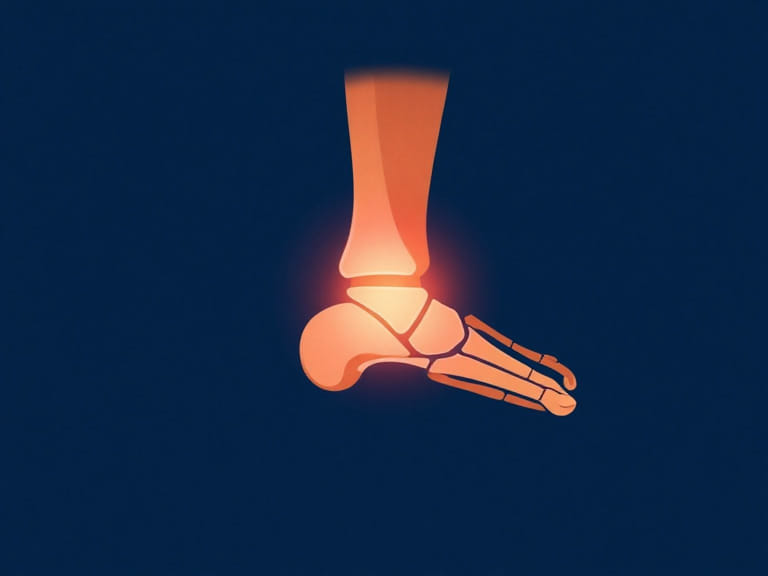
A nondisplaced medial malleolus fracture is a type of ankle fracture that involves the inner part of the ankle, specifically the medial malleolus, which is the bony prominence on the inner side of the tibia. Unlike displaced fractures, in a nondisplaced fracture, the bone cracks or breaks but remains properly aligned, which generally makes treatment simpler and recovery faster. Despite being less severe than displaced fractures, this type of injury requires proper diagnosis, careful management, and adherence to rehabilitation protocols to ensure complete healing and prevent long-term complications such as chronic pain or instability in the ankle joint.
Anatomy and Function of the Medial Malleolus
The medial malleolus is a critical structure in the ankle that plays a significant role in maintaining joint stability. It is part of the tibia bone and provides attachment for ligaments that support the inner aspect of the ankle. Its position helps bear the weight of the body during walking, running, and other physical activities. The medial malleolus works in coordination with the lateral malleolus, located on the outer side of the ankle, and the talus bone to form the ankle mortise, which is essential for smooth and stable ankle movement. Understanding the anatomy is important in recognizing the implications of fractures and the strategies required for effective treatment.
Causes of Nondisplaced Medial Malleolus Fractures
These fractures typically result from trauma or stress to the ankle. Common causes include
- Twisting injuriesA sudden roll of the ankle inward, often during sports or uneven terrain walking.
- Direct impactA fall or blow to the inner side of the ankle, which may occur during accidents or high-impact activities.
- Stress fracturesRepeated strain or overuse, particularly in athletes or military personnel, can cause small cracks without displacement.
- FallsLanding awkwardly from a jump or slipping on slippery surfaces can result in a nondisplaced fracture.
Symptoms and Clinical Presentation
Patients with a nondisplaced medial malleolus fracture often present with localized pain on the inner side of the ankle. Other common symptoms include
- Swelling around the ankle joint
- Tenderness upon palpation of the medial malleolus
- Difficulty bearing weight on the affected leg
- Minor bruising in some cases
- Reduced range of motion in the ankle joint
Unlike displaced fractures, deformity is usually absent, which can sometimes lead to underestimation of the severity of the injury. Therefore, proper evaluation, including imaging, is crucial for an accurate diagnosis.
Diagnosis
Diagnosis of a nondisplaced medial malleolus fracture involves a combination of clinical examination and imaging studies
- Physical examinationAssessment of swelling, tenderness, and stability of the ankle joint.
- X-raysStandard anterior-posterior, lateral, and mortise views can identify fractures and confirm the absence of displacement.
- CT scansUsed in complex cases or when small fractures are difficult to visualize on X-rays.
- MRISometimes employed to detect associated ligament injuries or stress fractures not evident on X-ray.
Treatment Options
Treatment of nondisplaced medial malleolus fractures focuses on promoting bone healing while preventing complications. The main treatment approaches include
Non-Surgical Management
Most nondisplaced fractures can be managed conservatively
- ImmobilizationUse of a cast, splint, or walking boot for 4-6 weeks to restrict movement and facilitate healing.
- Rest and elevationReducing weight-bearing and elevating the ankle to minimize swelling.
- Ice therapyApplication of ice packs to control pain and inflammation in the initial phase.
- Pain managementNonsteroidal anti-inflammatory drugs (NSAIDs) or acetaminophen may be recommended.
- Regular follow-upPeriodic X-rays to monitor healing progress and ensure the fracture remains aligned.
Surgical Management
Surgery is rarely required for nondisplaced fractures but may be considered in cases where
- The fracture shows signs of potential displacement
- There is associated instability in the ankle joint
- Conservative treatment fails to achieve adequate healing
Surgical procedures typically involve internal fixation using screws or plates to stabilize the fracture, followed by a period of immobilization and rehabilitation.
Rehabilitation and Recovery
Rehabilitation plays a critical role in restoring normal ankle function after a nondisplaced medial malleolus fracture. Key components of recovery include
- Physical therapyFocuses on regaining range of motion, strength, and proprioception.
- Gradual weight-bearingProgressively increasing activity levels as bone healing is confirmed on X-rays.
- Balance and stability exercisesPrevent recurrent injuries and improve functional mobility.
- Monitoring for complicationsEnsuring there is no delayed union, nonunion, or post-traumatic arthritis.
Complete recovery may take several weeks to a few months, depending on the patient’s age, activity level, and adherence to rehabilitation protocols.
Complications and Prognosis
While the prognosis for nondisplaced medial malleolus fractures is generally excellent, potential complications include
- Persistent pain or discomfort
- Delayed healing or nonunion
- Stiffness or reduced ankle range of motion
- Post-traumatic arthritis in the long term
With proper diagnosis, appropriate immobilization, and structured rehabilitation, most patients can expect full recovery and return to normal activities without long-term limitations.
Preventive Measures
Preventing ankle fractures involves measures to reduce the risk of injury and improve overall bone health
- Wearing appropriate footwear, especially during sports or physical activities
- Strengthening exercises for the lower leg and ankle to enhance stability
- Maintaining bone health through adequate calcium and vitamin D intake
- Being cautious on uneven surfaces or during high-risk activities
Nondisplaced medial malleolus fractures are common ankle injuries that, while less severe than displaced fractures, require accurate diagnosis and careful management. Understanding the anatomy, causes, symptoms, and treatment options is essential for optimal recovery. Conservative management with immobilization is often effective, while surgical intervention is reserved for specific circumstances. Rehabilitation is critical for restoring full function and preventing complications. With proper care, most patients achieve a full return to normal activities, highlighting the importance of timely medical attention and adherence to prescribed treatment and recovery plans.