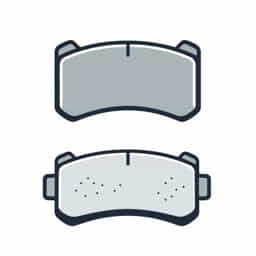
After installing new brake pads, many drivers are surprised to find that their brakes feel soft or spongy rather than firm and responsive. This sensation can be unsettling, especially when you’ve just invested time or money in a critical safety component of your vehicle. Understanding why new brake pads feel spongy is essential not only for peace of mind but also to ensure your braking system is performing correctly. This issue can stem from various causes, some of which are normal, while others require attention and possible correction.
What Does Spongy Brakes Mean?
When we talk about spongy brakes, we’re referring to a brake pedal that feels soft and doesn’t provide immediate resistance when pressed. Instead of a firm stop, the pedal may sink further toward the floor before the brakes engage effectively. This sensation is not how a well-functioning brake system should feel. If you’ve just had new brake pads installed, you might wonder whether this softness is part of the break-in process or a sign of a deeper issue.
Understanding Brake Pad Break-In
New brake pads require a short period to bed into the rotor surface. This bedding-in process involves heat cycling the pads and allowing them to form an even layer on the rotor. During the first few miles of driving with new pads, it’s normal for the braking performance to feel slightly different. However, spongy typically refers to pedal feel, not stopping power. If your brakes feel soft and not just different, there may be another factor involved.
Common Causes of Spongy Brake Feel After Installing New Pads
1. Air in the Brake Lines
This is one of the most common reasons your brake pedal may feel spongy. If air was introduced into the hydraulic brake system during pad replacement or any related service, it can compress under pressure, unlike brake fluid, which is incompressible. This leads to a soft or spongy pedal feel.
- Bleeding the brakes usually resolves this issue.
- Even a small bubble of air can affect pedal feel significantly.
2. Brake Fluid Issues
Old or contaminated brake fluid can absorb moisture over time, reducing its effectiveness and causing a soft brake pedal. If your new brake pads were installed without replacing or checking the fluid, this may contribute to the problem.
- Brake fluid should be flushed every 2-3 years, depending on driving conditions and vehicle type.
- Always use the manufacturer-recommended brake fluid type.
3. Improper Pad Installation
Although rare with professional service, improper installation of brake pads can result in misalignment or poor contact with the rotor. This can affect how pressure is transferred when you apply the brakes.
- Double-check that the pads are seated properly in the caliper.
- Ensure that all clips, shims, and hardware are in place.
4. Caliper Issues
If a caliper piston is sticking or not retracting properly, it may prevent full brake pad engagement. This could make the pedal feel inconsistent or soft.
- Inspect calipers for uneven wear or resistance when pushing the piston back in.
- Replace or rebuild faulty calipers to restore proper function.
5. Brake Hose Expansion
Rubber brake hoses can expand slightly when pressurized, especially if they’re old or deteriorated. This expansion reduces the amount of pressure that reaches the caliper, resulting in a soft pedal.
- Inspect hoses for visible cracks or bulging areas.
- Consider upgrading to stainless steel braided lines for improved pedal firmness.
6. Master Cylinder Concerns
The master cylinder is responsible for generating hydraulic pressure when you press the brake pedal. If it’s worn or has internal leaks, it can lead to a spongy or sinking pedal even if the rest of the system is functioning well.
- Check for signs of brake fluid leakage around the master cylinder.
- Test for consistent pedal pressure by pumping the brakes and observing any changes.
How to Fix Spongy Brakes After Installing New Pads
1. Bleed the Brake System
Bleeding the brakes removes any trapped air in the brake lines. This process can be done manually, with a vacuum bleeder, or with a pressure bleeder. Always start with the wheel furthest from the master cylinder and work your way closer.
2. Inspect the Brake Fluid
Make sure the brake fluid is at the correct level and is clean. If it’s dark or cloudy, flush and replace it with fresh fluid.
3. Recheck Installation
Ensure the brake pads were installed correctly, all components are tight, and nothing is out of alignment. Listen for unusual noises when applying the brakes, as these can be signs of poor installation.
4. Test Drive Carefully
After bleeding and inspecting the system, take your vehicle for a short test drive. Perform a series of gradual stops from low speed to help seat the pads. Avoid hard braking during the first 100-300 miles as the pads and rotors conform to each other.
When to Seek Professional Help
If your brakes still feel spongy after performing the above steps, it may be time to consult a qualified mechanic. Persistent softness in the brake pedal can compromise your ability to stop safely. A professional inspection can identify issues with the master cylinder, ABS module, or calipers that are difficult to diagnose at home.
Preventing Spongy Brakes in the Future
Proper brake maintenance helps avoid issues with pedal feel after service. Use quality parts, follow recommended fluid change intervals, and ensure all installations are done correctly. If you do the work yourself, take the time to bleed the system thoroughly and test everything before getting back on the road.
- Always torque caliper bolts to specification.
- Inspect all brake components for wear and leaks before installing new pads.
- Check rotor condition and resurface or replace if needed.
Feeling spongy brakes after installing new brake pads can be frustrating, but it’s often a fixable issue. Most commonly, the problem lies in air trapped in the brake lines or issues with fluid or installation. Addressing the issue quickly ensures safe vehicle operation and peace of mind. Understanding what causes spongy brakes and how to fix them empowers you to maintain a reliable braking system and prevent similar issues in the future.