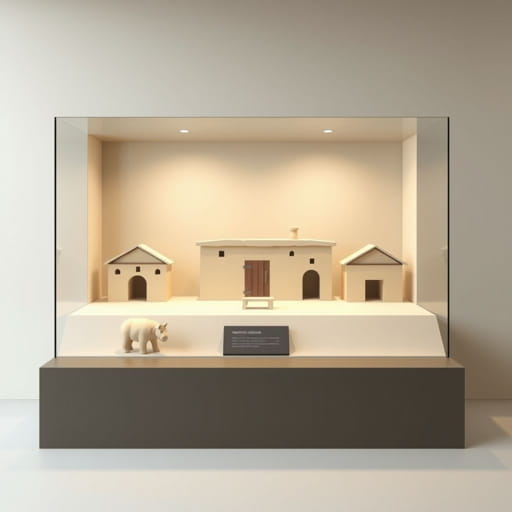
Located in the heart of Bulgaria, the Neolithic Dwellings Museum in Stara Zagora offers an extraordinary glimpse into prehistoric life over 8,000 years ago. This remarkable archaeological site preserves two of the oldest surviving dwellings in Europe, embedded within a museum built directly over the excavation. Visitors are transported back to the early Neolithic period, when agriculture, pottery, and permanent settlements first began to emerge in human history. The museum is not only an important cultural institution in Bulgaria but also a significant point of reference in global Neolithic archaeology.
History and Discovery
The site was discovered in 1969 during construction work for a modern residential complex. Archaeologists unearthed the remains of well-preserved prehistoric homes, complete with original hearths, grinding stones, and clay ovens. These dwellings date back to around 6000 BCE and belong to the Karanovo II culture, a major early Neolithic culture of Southeastern Europe. The extraordinary condition of the findings prompted the Bulgarian authorities to halt construction and protect the site as a national treasure.
The Importance of Stara Zagora
Stara Zagora is one of Europe’s oldest continuously inhabited settlements. The Neolithic Dwellings Museum showcases this long-standing history through an interactive approach. Archaeologists consider the dwellings discovered at this site to be among the best-preserved examples of early Neolithic domestic architecture. This makes the museum an essential destination for anyone interested in early human civilization, Neolithic development, and archaeological preservation.
Exhibits and Features of the Museum
Visitors to the Neolithic Dwellings Museum can observe the interior of homes that were used by some of the first farming communities in Europe. These homes were constructed with wattle and daub walls and featured a carefully designed interior for daily living. Inside the museum, displays include:
- Original clay ovens and storage containers
- Grinding stones used for processing grains
- Household tools such as bone needles, stone axes, and ceramic vessels
- Skeletons of domesticated animals
- Burial remains and ritual objects
What makes this museum particularly compelling is the fact that the houses have not been moved or reconstructed; they are preserved in situ, exactly where they were found. Protective glass walkways allow visitors to view the dwellings from above while keeping the original structures intact.
Interactive and Educational Value
The museum provides an immersive educational experience for students, researchers, and tourists. Panels with illustrations, descriptions, and reconstructions explain how early people lived, cooked, and stored food. Educational programs and guided tours are offered to schools and groups, bringing ancient history to life for younger generations. Workshops in pottery and weaving further help visitors understand the skills and ingenuity of Neolithic people.
Context of Neolithic Culture in the Region
The early Neolithic period in Bulgaria is marked by the transition from nomadic lifestyles to permanent agricultural communities. This transformation, often referred to as the Neolithic Revolution, led to the rise of settlements like the one in Stara Zagora. The inhabitants cultivated crops, domesticated animals, and developed technologies for pottery and textile production. These advancements laid the groundwork for later civilizations across Europe and the Near East.
Relationship with Other Neolithic Sites
The dwellings in Stara Zagora are closely related to other Neolithic sites across the Balkans and Eastern Europe. Sites such as Karanovo, Vinča, and Starčevo share similarities in architecture and material culture. The Neolithic Dwellings Museum contributes to comparative studies in European prehistory and offers evidence of the rapid spread of farming practices across the continent during the 6th millennium BCE.
Preservation and Conservation Efforts
Due to the fragile nature of the site, great care has been taken to preserve the original Neolithic structures. Climate control within the museum ensures that humidity and temperature are stable. Conservation experts frequently monitor the condition of the clay walls and artifacts. The success of this approach has served as a model for similar archaeological museums around the world. These efforts allow future generations to witness a rare and precious slice of humanity’s ancient past.
Archaeological Significance
Archaeologists have uncovered not just homes but also layers of information about daily life, spiritual practices, and community organization. The alignment of the buildings, the presence of religious figurines, and the storage of food all suggest a complex society with evolving social roles. The evidence supports broader theories about the growth of agriculture, specialization of labor, and the beginning of village life as we understand it today.
Tourism and Cultural Importance
The Neolithic Dwellings Museum is a key cultural site for Bulgaria and a major attraction in the city of Stara Zagora. Tourists from around the world visit the museum to learn more about the dawn of civilization. The museum is integrated into local tourism routes that include Roman ruins, Ottoman architecture, and the rich Thracian heritage of the region. This combination offers a unique opportunity to explore several layers of historical development in a single location.
Modern Relevance
In today’s fast-changing world, the museum encourages reflection on how human societies began and how much of that legacy continues today. The shift from foraging to farming, from temporary shelters to permanent dwellings, was one of the most transformative periods in human history. Understanding this process helps modern audiences appreciate the deep roots of human culture, innovation, and community living.
The Neolithic Dwellings Museum in Stara Zagora is a rare window into humanity’s earliest steps toward civilization. By preserving homes that are more than 8,000 years old, the museum bridges the gap between the distant past and our modern lives. It serves not only as an archaeological site but also as a space for education, cultural reflection, and inspiration. As interest in Neolithic archaeology grows, institutions like this will remain crucial to understanding our shared human story.