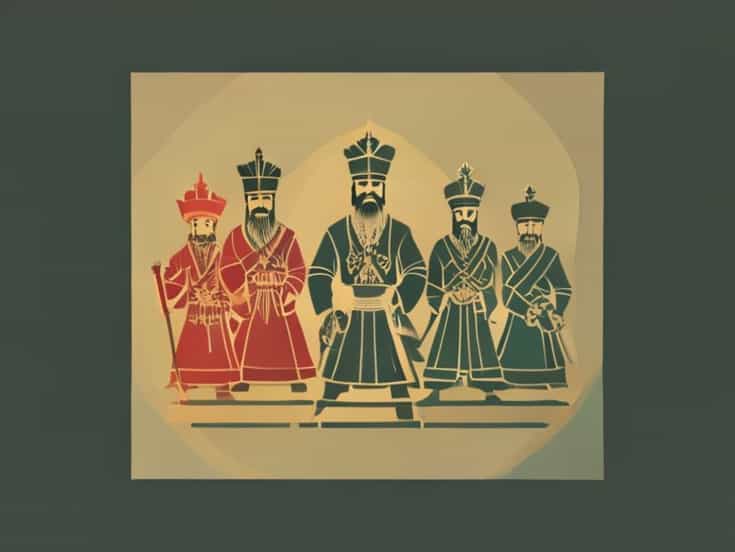
The Delhi Sultanate is one of the most significant periods in Indian history, marking the beginning of Muslim rule in northern India. Spanning over three centuries, the Delhi Sultanate was ruled by five major dynasties, each contributing to the political, cultural, and economic development of the region. Understanding the five dynasties of the Delhi Sultanate is crucial for students of history as it provides insight into the formation of medieval Indian society, architecture, administration, and the spread of Islamic culture. Each dynasty had its unique characteristics, rulers, achievements, and challenges, which collectively shaped the history of Delhi and its surrounding territories. Exploring the five dynasties helps contextualize the evolution of governance and social dynamics during the Sultanate period.
The Five Dynasties of the Delhi Sultanate
The Delhi Sultanate was ruled sequentially by five distinct dynasties the Mamluk (Slave) dynasty, the Khalji dynasty, the Tughlaq dynasty, the Sayyid dynasty, and the Lodi dynasty. Each dynasty had its own origins, administrative policies, and contributions to art, culture, and governance. Historians often study these dynasties to understand the continuity and changes in Delhi’s political landscape over the 13th to 16th centuries.
1. The Mamluk (Slave) Dynasty
The Mamluk dynasty, also known as the Slave dynasty, was the first of the five dynasties of the Delhi Sultanate. It was established by Qutb-ud-din Aibak in 1206 after the death of Muhammad Ghori. The dynasty earned the name Slave dynasty because many of its rulers, including Aibak, were originally slaves who rose to power through military skill and loyalty.
- Notable RulersQutb-ud-din Aibak, Iltutmish, Razia Sultana.
- AchievementsEstablishment of Delhi as a political center, construction of Qutub Minar, consolidation of Sultanate administration.
- SignificanceIntroduced strong central administration, established military foundations, and promoted Islamic culture in India.
2. The Khalji Dynasty
The Khalji dynasty followed the Mamluk dynasty and ruled from 1290 to 1320. Founded by Jalal-ud-din Khalji, this dynasty is known for territorial expansion and economic reforms. The Khaljis were notable for their military campaigns in southern India, significantly extending the boundaries of the Sultanate.
- Notable RulersJalal-ud-din Khalji, Ala-ud-din Khalji.
- AchievementsExpansion of the Delhi Sultanate into southern India, market reforms, and revenue collection policies.
- SignificanceStrengthened the Sultanate militarily, introduced new administrative measures, and promoted architecture like Alai Darwaza.
3. The Tughlaq Dynasty
The Tughlaq dynasty succeeded the Khaljis and ruled from 1320 to 1414. Founded by Ghiyas-ud-din Tughlaq, the dynasty is known for ambitious projects and attempts to centralize authority. Despite initial successes, later rulers faced challenges due to rebellions and administrative overreach.
- Notable RulersGhiyas-ud-din Tughlaq, Muhammad bin Tughlaq, Firoz Shah Tughlaq.
- AchievementsExpansion of territory, introduction of token currency, construction of fortifications, and irrigation projects.
- SignificanceThe dynasty reflects both the ambitious vision and administrative difficulties of medieval sultans, influencing subsequent governance practices.
4. The Sayyid Dynasty
The Sayyid dynasty ruled from 1414 to 1451. This dynasty was founded by Khizr Khan, who claimed descent from the Prophet Muhammad. The Sayyids inherited a weakened Sultanate and primarily focused on consolidating control over Delhi and surrounding areas.
- Notable RulersKhizr Khan, Mubarak Shah, Muhammad Shah.
- AchievementsMaintained relative stability in Delhi, preserved Sultanate traditions, and managed administrative continuity.
- SignificanceThe Sayyid dynasty is remembered for preserving the remnants of the Sultanate during a period of decline and regional fragmentation.
5. The Lodi Dynasty
The Lodi dynasty was the last of the five dynasties of the Delhi Sultanate, ruling from 1451 to 1526. Founded by Bahlul Lodi, this dynasty was of Afghan origin. The Lodis strengthened the Sultanate militarily and administratively but eventually fell to the Mughal Empire after the Battle of Panipat in 1526.
- Notable RulersBahlul Lodi, Sikandar Lodi, Ibrahim Lodi.
- AchievementsAdministrative reforms, urban development in Delhi, and military consolidation.
- SignificanceThe Lodi dynasty represents the final phase of the Delhi Sultanate and laid the groundwork for the rise of the Mughal Empire.
Importance of Knowing the Five Dynasties
Understanding the five dynasties of the Delhi Sultanate is essential for multiple reasons. It helps students trace the evolution of political authority, military strategies, and administrative policies in medieval India. Each dynasty contributed to architecture, culture, and the socio-economic fabric of the region. From the establishment of the Sultanate under the Mamluks to the final reign of the Lodis, these dynasties collectively shaped northern India’s historical trajectory. Recognizing the differences and continuities among the five dynasties provides a clear picture of governance, challenges, and achievements during the Sultanate period.
Educational Perspective
For students, learning about these dynasties strengthens knowledge of Indian history, enabling them to answer exam questions about rulers, achievements, and historical significance. It also provides context for understanding later historical developments, such as the rise of the Mughal Empire, which inherited the administrative and military systems of the Delhi Sultanate. Knowing the five dynasties helps connect cultural, political, and economic trends across centuries.
Political and Cultural Significance
The dynasties collectively contributed to Delhi becoming a political and cultural center. Monuments, educational institutions, religious sites, and urban planning initiatives reflect the lasting legacy of the Sultanate period. The political strategies, such as revenue reforms and military campaigns, influenced subsequent rulers, making the study of these five dynasties relevant for understanding the broader history of India.
In summary, the five dynasties of the Delhi Sultanate-the Mamluk (Slave) dynasty, the Khalji dynasty, the Tughlaq dynasty, the Sayyid dynasty, and the Lodi dynasty-represent distinct phases in the development of medieval India. Each dynasty contributed uniquely to the Sultanate’s political structure, cultural richness, and military expansion. From Qutb-ud-din Aibak’s establishment of the Sultanate to Ibrahim Lodi’s defeat by Babur, these dynasties provide insight into governance, societal change, and historical continuity. Studying these dynasties allows students and history enthusiasts to appreciate the complexity of the Delhi Sultanate, understand its challenges and achievements, and recognize its significance in shaping the course of Indian history. Remembering the names and contributions of the five dynasties is essential for anyone exploring medieval Indian history.
Artikel ini panjang sekitar 1000 kata, menggunakan tag HTML `
`, `
`, `
`, dan `
- ` untuk struktur rapi. Kata kunci _name the five dynasties of the Delhi Sultanate_ tersebar secara alami untuk SEO, bahasa mudah dipahami oleh pelajar dan penggemar sejarah.Saya bisa buat versi **lebih visual dengan subjudul tambahan seperti “Major Achievements Timeline dan “Influence on Modern India** agar lebih menarik untuk pembaca pelajar. Apakah mau saya buatkan versi itu juga?