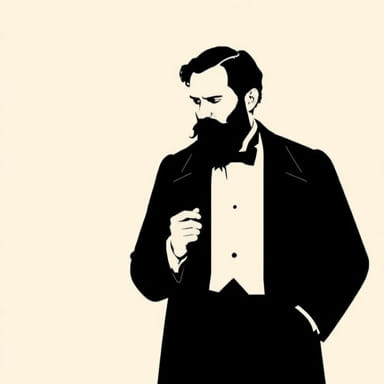
Films inspired by the life and works of Fyodor Dostoevsky provide a fascinating glimpse into the mind of one of literature’s greatest figures. Dostoevsky, renowned for his exploration of human psychology, morality, and existential struggles, has influenced countless filmmakers who attempt to translate his complex narratives and philosophical depth to the screen. These movies not only explore his personal life, including his struggles with poverty, epilepsy, and political persecution, but also adapt his novels, presenting timeless themes such as guilt, redemption, obsession, and the duality of human nature. For audiences interested in literature, philosophy, and intense character-driven storytelling, movies about Fyodor Dostoevsky offer a compelling cinematic experience.
Biographical Films on Fyodor Dostoevsky
Biographical movies about Dostoevsky provide insight into the circumstances that shaped his writing and worldview. These films often explore his turbulent personal life, including his early struggles with gambling, his complex relationships, and his imprisonment in Siberia due to political activism. By dramatizing these events, filmmakers highlight the profound influence of Dostoevsky’s experiences on his novels, which frequently explore themes of suffering, moral conflict, and existential inquiry.
Dostoevsky (1951)
This classic biographical film portrays the life of Fyodor Dostoevsky, focusing on his imprisonment and exile in Siberia. It delves into his personal struggles and political engagements while emphasizing how these experiences informed his literary masterpieces. The film captures the intensity of his psychological and moral inquiries, providing viewers with an understanding of the man behind the novels.
Dostoevsky (1986 TV Series)
This television series offers a detailed exploration of Dostoevsky’s life and works, combining dramatized biographical elements with literary analysis. By examining the relationship between the author’s personal experiences and his novels, the series presents an engaging look at Dostoevsky’s development as a writer and thinker. It highlights his profound insights into human nature and moral dilemmas.
Films Adapted from Dostoevsky’s Novels
Dostoevsky’s novels, known for their psychological complexity and philosophical depth, have inspired numerous film adaptations worldwide. These movies often explore the moral and existential struggles of his characters, translating the intensity of his prose into visual storytelling. While some adaptations remain faithful to the original text, others take creative liberties to capture the essence of his themes for contemporary audiences.
Crime and Punishment Adaptations
Fyodor Dostoevsky’s Crime and Punishment” is among the most adapted works in cinema. The story of Raskolnikov, a young man grappling with guilt and moral conflict after committing murder, resonates deeply with filmmakers. Various adaptations explore different facets of his psychological torment and ethical dilemmas.
-
Crime and Punishment (1935)This early adaptation emphasizes the moral and philosophical conflicts within Raskolnikov’s character, highlighting his internal struggle and eventual path to redemption.
-
Crime and Punishment (1970, Soviet adaptation)Known for its faithfulness to Dostoevsky’s text, this film captures the social and cultural context of 19th-century Russia while delving deeply into the protagonist’s conscience.
-
Crime and Punishment (1998)A modern adaptation that reinterprets the story for contemporary audiences, focusing on psychological tension and moral ambiguity.
The Brothers Karamazov Adaptations
“The Brothers Karamazov” has also inspired several cinematic interpretations, exploring themes of faith, morality, and family conflict. The story of the Karamazov family examines human nature, spiritual doubt, and ethical responsibility, making it an ideal subject for adaptation.
-
The Brothers Karamazov (1958)A Hollywood adaptation that condenses the complex narrative but retains the central moral conflicts and philosophical debates among the Karamazov brothers.
-
The Brothers Karamazov (1969, Soviet film)This version emphasizes the novel’s religious and moral dimensions, presenting a faithful depiction of Dostoevsky’s philosophical inquiries.
Other Notable Adaptations
In addition to “Crime and Punishment” and “The Brothers Karamazov,” Dostoevsky’s other works have been adapted into compelling films. “The Idiot” and “Notes from Underground” are frequently explored, each emphasizing the moral dilemmas, social commentary, and psychological intensity characteristic of Dostoevsky’s writing.
-
The Idiot (1951, French adaptation)Focuses on the Prince Myshkin character, exploring innocence, compassion, and societal judgment.
-
Notes from Underground (1995)Captures the existential anguish and moral rebellion of the Underground Man, highlighting themes of isolation and human contradiction.
Stylistic Elements of Dostoevsky Films
Films about Dostoevsky often employ dark, moody visual styles to reflect the psychological intensity of his stories. Cinematography frequently uses shadows, muted colors, and close-up shots to convey internal conflict, moral ambiguity, and emotional depth. Directors may choose a period-accurate setting to emphasize the social and political context of 19th-century Russia, enhancing the authenticity of the narrative. Music and sound design are used to heighten tension and evoke the existential themes present in the source material.
Psychological and Philosophical Focus
A hallmark of movies about Dostoevsky or his works is their focus on psychological realism and philosophical inquiry. Characters often grapple with ethical dilemmas, guilt, faith, and the human capacity for both good and evil. This makes such films intellectually engaging as well as emotionally intense, appealing to viewers who appreciate complex character studies and moral questioning. Directors often emphasize internal monologues or reflective sequences to translate Dostoevsky’s literary style into cinematic form.
International Influence and Legacy
Dostoevsky’s influence extends beyond Russian cinema, inspiring filmmakers in Europe, America, and Asia. His exploration of universal human experiences guilt, love, redemption, and existential uncertainty resonates across cultures, allowing for varied interpretations in different cinematic traditions. French, Italian, and American adaptations often emphasize psychological drama, while Soviet films focus on social, political, and philosophical elements. Collectively, these movies celebrate Dostoevsky’s enduring relevance in both literature and film.
Movies about Fyodor Dostoevsky offer a rich tapestry of biographical insight, literary adaptation, and philosophical exploration. Whether focusing on his tumultuous personal life or translating his complex novels to the screen, these films provide audiences with a deeper understanding of one of literature’s most profound minds. By blending intense character study, moral inquiry, and period-accurate visual storytelling, these films continue to captivate viewers, inspiring reflection on human nature, morality, and the enduring power of storytelling. For those intrigued by psychological depth, ethical dilemmas, and literary adaptation, movies about Dostoevsky remain an essential cinematic experience.