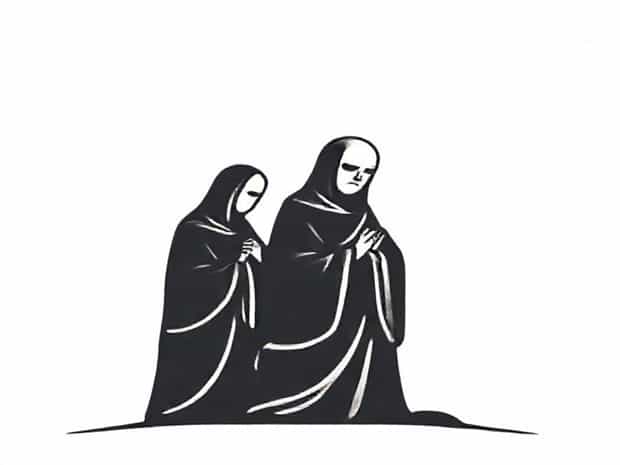
The practice of monks mummifying themselves is one of the most extraordinary and little-known spiritual traditions in human history. Found primarily in certain Buddhist communities in Japan, this ritual involves monks deliberately undergoing a process of self-mummification, often over several years, as a path to ultimate enlightenment and transcendence. Unlike conventional mummification that occurs after death, these monks actively prepare their bodies while still alive, believing that by purifying themselves and their physical forms, they can attain a state of spiritual perfection. The practice, though extreme, is rooted in deep religious devotion, discipline, and the pursuit of spiritual immortality.
Historical Origins of Self-Mummification
Self-mummification, known in Japanese as sokushinbutsu,” has origins dating back to the late Heian period (794-1185) and was more formally practiced during the Edo period (1603-1868). This practice was primarily associated with the Shingon sect of Buddhism, which emphasizes esoteric teachings and intense meditation. The monks who undertook this path often lived in remote mountainous regions, dedicating themselves to years of strict ascetic practices. They believed that by enduring extreme physical deprivation and meditation, they could transcend the mortal world and continue guiding others even after death.
Preparation for Self-Mummification
The process of self-mummification was incredibly demanding and often took a decade or more to complete. Monks followed a strict regimen known as “mokujiki” or “nyūjō,” which gradually prepared the body for preservation. Key elements included
- Dietary RestrictionsMonks would progressively restrict their diet to nuts, seeds, and roots while avoiding any food that contained oils or fat. This helped to dehydrate the body over time.
- Herbal PreparationsCertain toxic herbs and resins were consumed to purge bodily fluids and reduce the chance of decomposition. These herbs also acted as natural preservatives.
- Physical DisciplineIntense meditation and physical activity were incorporated to maintain spiritual focus while conditioning the body to endure extreme hardship.
The Final Stage of Mummification
Once the preparatory phase was complete, the monk would enter the final stage, often entombing himself in a small stone chamber barely large enough to sit upright. This chamber typically contained a breathing tube and a bell, which the monk would ring daily to signal that he was still alive. Over time, the diet and herbs would take effect, and the monk would die within the chamber. After death, the tube was removed, and the chamber sealed. If the body was found preserved and without signs of decay, it was considered a successful self-mummification and a revered spiritual achievement.
Spiritual Significance
The spiritual rationale behind self-mummification is deeply intertwined with Buddhist concepts of impermanence, detachment, and enlightenment. Monks believed that by voluntarily undergoing death while maintaining mindfulness and devotion, they could achieve a state of “nirvana” and transcend the cycle of rebirth. Moreover, preserved bodies were often enshrined in temples and revered as sacred objects, serving as symbols of spiritual perfection and inspiring others on their religious journey.
Famous Sites and Monks
Several sites in Japan preserve the remains of self-mummified monks, which continue to attract scholars, spiritual seekers, and tourists interested in this extraordinary tradition. Notable locations include
- Mount YudonoThis mountain in Yamagata Prefecture has a long history of ascetic Buddhist practices, including self-mummification rituals.
- Chūson-ji TempleLocated in Iwate Prefecture, the temple is known for enshrining the preserved remains of monks who practiced sokushinbutsu.
- Shingon Buddhist MonasteriesVarious monasteries across Japan maintain historical records and relics associated with self-mummification, preserving the ritual’s legacy.
Modern Perspectives and Ethical Considerations
Today, the practice of self-mummification is largely historical, with very few, if any, practitioners. Modern scholars view the ritual as both a remarkable demonstration of devotion and an extreme example of asceticism. Ethical considerations arise due to the potential risks and the deliberate nature of the practice. Contemporary Buddhist authorities generally discourage self-mummification, emphasizing meditation, compassion, and spiritual development without endangering physical life. However, the preserved monks remain objects of reverence, cultural heritage, and study.
Scientific Insights
Modern science has examined self-mummified monks to understand how the human body can be preserved under such extreme conditions. Studies show that dehydration, strict diets, and the use of toxic herbs played crucial roles in preventing decay. The acidic environment created by the herbs and the body’s gradual loss of fat and moisture helped inhibit bacterial growth, resulting in natural mummification. Researchers also study these remains to learn about the health, diet, and lifestyles of historical monastic communities.
Cultural and Global Impact
Self-mummifying monks have captured global interest due to the intersection of religion, history, and human endurance. Documentaries, books, and academic papers have explored this practice, highlighting the extraordinary lengths individuals have gone to pursue spiritual goals. While self-mummification is unique to Japan, it resonates with broader human fascination with death, immortality, and spiritual transcendence. It also offers insights into the cultural values of discipline, sacrifice, and devotion that have shaped Buddhist communities over centuries.
Lessons from Self-Mummification
The story of monks who mummify themselves serves as a powerful reminder of the human pursuit of meaning, enlightenment, and spiritual perfection. Though the methods may seem extreme, the underlying principles discipline, focus, and devotion are universal themes that can inspire individuals in various walks of life. Beyond the physical acts, the tradition emphasizes the importance of mental resilience, mindfulness, and the quest for understanding life’s deeper mysteries. By studying these practices, modern audiences gain not only historical knowledge but also philosophical insights into the enduring human spirit.
The practice of self-mummification is one of the most extraordinary religious traditions in human history. Through years of preparation, dietary discipline, meditation, and ritual, monks pursued spiritual immortality and transcendence in ways that continue to fascinate and inspire today. While the practice itself is no longer common, the preserved remains and historical accounts serve as enduring testaments to the dedication, faith, and resilience of these ascetic practitioners. The legacy of sokushinbutsu offers profound lessons about the lengths humans can go in pursuit of enlightenment, as well as the cultural and spiritual richness of Japan’s Buddhist heritage.