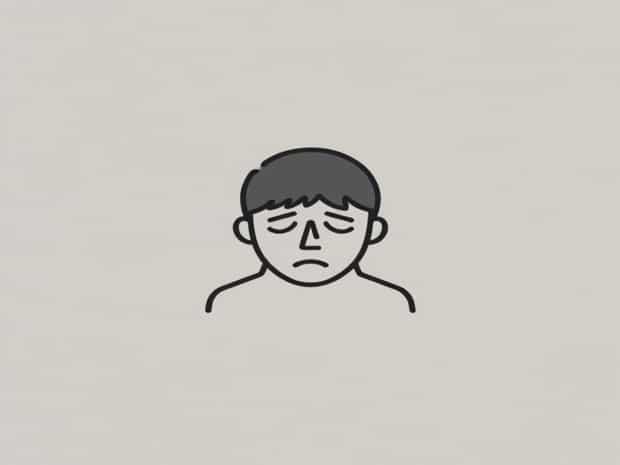
Manic depression is a term historically used to describe what is now commonly known as bipolar disorder, a mental health condition characterized by extreme mood swings that include emotional highs (mania or hypomania) and lows (depression). Understanding the meaning of manic depression requires examining the nature of these mood episodes, their impact on daily life, and the underlying biological, psychological, and environmental factors that contribute to the disorder. The condition can significantly affect personal relationships, work, and overall quality of life, but with proper diagnosis, treatment, and support, individuals can manage symptoms effectively and lead fulfilling lives.
Historical Context of Manic Depression
The term manic depression originated in the late 19th and early 20th centuries, reflecting an early understanding of mood disorders as a combination of manic and depressive states. Psychiatrists like Emil Kraepelin were instrumental in classifying the disorder, noting the cyclical pattern of elevated and depressed moods. Over time, advances in psychiatry and psychology led to the adoption of the term bipolar disorder, which emphasizes the presence of two poles mania and depression rather than using a descriptive term that could be stigmatizing.
Evolution of Terminology
- Manic depression was widely used in clinical and popular literature throughout the 20th century.
- The term bipolar disorder became the preferred diagnostic label in the Diagnostic and Statistical Manual of Mental Disorders (DSM) to reflect modern understanding of the condition.
- Despite the shift, many people still use manic depression colloquially, often to describe the dramatic mood swings associated with the disorder.
Understanding the Mood Episodes
Manic depression involves distinct mood episodes, each with characteristic symptoms. Mania or hypomania represents the elevated phase, while depression represents the low phase. These fluctuations are more severe and persistent than typical mood changes experienced in everyday life.
Manic Episodes
During a manic episode, individuals may experience heightened energy, increased activity, impulsivity, racing thoughts, and inflated self-esteem. They may engage in risky behaviors, such as excessive spending or unsafe sexual activity. In severe cases, mania can include psychotic symptoms such as delusions or hallucinations. The duration of mania varies, but it typically lasts at least one week or requires hospitalization.
Depressive Episodes
Depressive episodes in manic depression are characterized by persistent sadness, loss of interest in activities, fatigue, difficulty concentrating, and feelings of hopelessness or worthlessness. These episodes can lead to social withdrawal, disruptions in work or school performance, and, in severe cases, suicidal thoughts or behaviors. Depressive phases may last several weeks or months, and their intensity can significantly impair daily functioning.
Types of Manic Depression
Modern psychiatric classification recognizes several subtypes of bipolar disorder, reflecting variations in the pattern and severity of mood episodes. Understanding these types helps clarify the meaning of manic depression and informs treatment strategies.
Bipolar I Disorder
Bipolar I disorder is defined by the presence of at least one manic episode, which may be preceded or followed by depressive episodes. Mania in bipolar I is often severe and may require hospitalization to prevent harm to self or others. Depressive episodes are common but not required for diagnosis.
Bipolar II Disorder
Bipolar II disorder involves hypomanic episodes, which are less intense than full mania, along with major depressive episodes. Hypomania may increase productivity and energy without causing severe impairment, but the depressive phases can be profoundly disabling. Bipolar II emphasizes the recurring pattern of elevated and depressed moods.
Cyclothymic Disorder
Cyclothymic disorder is a milder form of manic depression, characterized by chronic mood fluctuations that do not meet full criteria for mania or major depression. These individuals experience periods of hypomanic symptoms and mild depression over extended periods, often leading to long-term emotional instability and difficulty maintaining routines or relationships.
Causes and Contributing Factors
The meaning of manic depression extends beyond the observable mood swings to the underlying causes, which are complex and multifactorial. Biological, psychological, and environmental factors all contribute to the development and course of the disorder.
Biological Factors
- Genetic predisposition Family history of bipolar disorder increases the likelihood of developing manic depression.
- Neurochemical imbalances Dysregulation of neurotransmitters such as serotonin, dopamine, and norepinephrine is linked to mood episodes.
- Brain structure and function Differences in areas regulating mood, impulse control, and emotion processing may contribute to the disorder.
Psychological and Environmental Factors
- Stressful life events or trauma can trigger mood episodes in susceptible individuals.
- Poor coping mechanisms and unresolved emotional conflicts may exacerbate symptom severity.
- Disrupted sleep patterns and lifestyle factors can influence the timing and intensity of episodes.
Impact on Daily Life
Manic depression affects nearly every aspect of an individual’s life. During manic phases, impulsivity and risk-taking can lead to financial problems, strained relationships, and legal issues. Depressive phases often result in decreased motivation, social withdrawal, and reduced productivity. The cyclical nature of the disorder creates unpredictability, which can challenge family members, coworkers, and social networks.
Social and Occupational Consequences
- Difficulty maintaining stable relationships due to mood-related behavior
- Frequent job changes or periods of unemployment during depressive phases
- Challenges in education, including inconsistent attendance or performance
Emotional and Psychological Impact
- Chronic stress and anxiety due to mood instability
- Low self-esteem or self-worth, particularly after depressive episodes
- Increased risk of substance abuse as a form of self-medication
Treatment and Management
Understanding the meaning of manic depression also involves recognizing the importance of treatment and management strategies. While there is no cure, effective interventions can stabilize mood, reduce episode severity, and improve quality of life.
Medication
Mood stabilizers, such as lithium and anticonvulsants, are commonly used to manage manic depression. Antipsychotics may be prescribed for severe manic symptoms, and antidepressants may be cautiously used to treat depressive episodes under medical supervision.
Psychotherapy
Psychotherapeutic approaches, including cognitive-behavioral therapy, interpersonal and social rhythm therapy, and family-focused therapy, help individuals understand triggers, develop coping strategies, and maintain routines that support mood stability.
Lifestyle Strategies
Regular sleep, exercise, stress management, and avoidance of alcohol or recreational drugs can help prevent or reduce the severity of mood episodes. Monitoring mood patterns and maintaining a structured routine are essential for long-term management.
The meaning of manic depression encompasses the complex interplay of manic and depressive episodes, underlying biological and environmental factors, and significant impacts on daily life. While historically termed manic depression, the modern understanding as bipolar disorder provides a more precise framework for diagnosis and treatment. Recognizing the patterns, causes, and consequences of this disorder is essential for effective management. With medication, therapy, lifestyle adjustments, and support, individuals with manic depression can achieve stability, improve functioning, and lead meaningful lives, demonstrating that understanding and intervention can transform the challenges of the disorder into opportunities for growth and resilience.