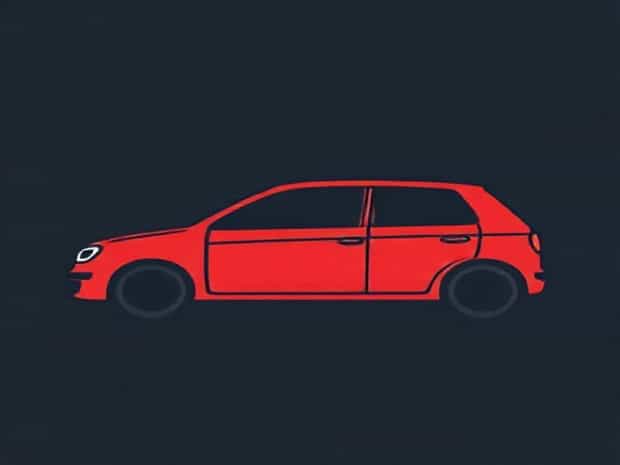
When exploring the automotive world, terms like FWD, RWD, and AWD are frequently mentioned, but understanding what FWD means in cars is essential for both new and experienced drivers. FWD stands for Front-Wheel Drive, a drivetrain configuration where the engine’s power is directed to the front wheels, which are responsible for both propelling and steering the vehicle. This design affects everything from handling and fuel efficiency to maintenance and performance, making it an important factor to consider when choosing a vehicle. Understanding FWD thoroughly can help drivers make informed decisions about safety, driving comfort, and overall vehicle performance.
Definition of FWD in Cars
Front-Wheel Drive (FWD) is a system in which the engine sends power exclusively to the front wheels of the car. This setup contrasts with Rear-Wheel Drive (RWD), where the rear wheels receive power, and All-Wheel Drive (AWD), where all four wheels can be powered. FWD vehicles are widely used in passenger cars, compact cars, and even some SUVs due to their design efficiency and cost-effectiveness. The front wheels handle both steering and propulsion, which has implications for traction, handling, and overall driving dynamics.
Key Features of FWD
- Engine placement Typically, FWD cars have the engine mounted transversely at the front of the vehicle.
- Power delivery The front wheels are responsible for moving the vehicle forward and controlling its direction.
- Weight distribution FWD cars often have more weight over the front axle, improving traction on slippery surfaces.
- Compact drivetrain FWD systems are simpler and take up less space compared to RWD setups.
Advantages of FWD
FWD offers several advantages, which explain its popularity in modern cars. Automakers often favor FWD for smaller cars, economy vehicles, and family sedans because of its benefits in cost, safety, and fuel efficiency.
Improved Traction in Poor Conditions
Since the engine is over the front wheels, FWD cars typically have better traction in wet, icy, or snowy conditions compared to RWD cars. The extra weight on the drive wheels helps prevent slipping and provides a safer driving experience in challenging weather.
Fuel Efficiency
FWD systems are lighter and have fewer mechanical components than RWD systems, which means less energy is lost in power transmission. This translates to better fuel economy, making FWD cars more economical to operate over time.
Interior Space and Design Efficiency
With no need for a driveshaft running to the rear wheels, FWD cars often allow for more cabin space and compact vehicle designs. This design flexibility benefits small cars and family sedans by maximizing passenger and cargo space without increasing the vehicle’s footprint.
Disadvantages of FWD
Despite its advantages, FWD has some limitations that drivers should consider, especially those interested in performance driving or towing heavy loads.
Handling Limitations
FWD vehicles can exhibit understeer, especially during aggressive cornering or in high-speed maneuvers. Understeer occurs when the front wheels lose grip, causing the car to continue straight rather than turning as intended. Performance enthusiasts often prefer RWD or AWD for better balance and handling in such scenarios.
Power Limitations
FWD is generally less suited for very powerful engines because transmitting high torque to the front wheels can lead to torque steer a phenomenon where the steering pulls to one side under acceleration. This is why high-performance sports cars and supercars rarely use FWD.
Wear and Tear on Front Components
Since the front wheels handle both propulsion and steering, they are subject to more wear than in RWD or AWD vehicles. Components like tires, CV joints, and suspension parts may need more frequent maintenance.
FWD vs RWD vs AWD
Understanding how FWD compares to other drivetrain systems helps clarify its role in vehicle performance and suitability.
Rear-Wheel Drive (RWD)
- Power is delivered to the rear wheels, which improves handling balance and weight distribution.
- Common in sports cars and trucks because it allows for better acceleration control and towing capacity.
- Less effective than FWD in slippery conditions due to lighter front-end traction.
All-Wheel Drive (AWD)
- Power is sent to all four wheels, providing excellent traction in various conditions.
- More complex and heavier than FWD, which can affect fuel efficiency.
- Ideal for SUVs and vehicles intended for off-road or all-weather performance.
Common Applications of FWD Cars
FWD is the most common drivetrain in modern passenger vehicles. It is widely used in
- Compact cars and hatchbacks Offers efficiency and space optimization.
- Family sedans Provides a safer driving experience in wet or snowy conditions.
- Economy cars Reduces manufacturing costs while improving fuel efficiency.
- Some SUVs and crossovers Helps balance cost, weight, and everyday drivability.
Tips for Driving a FWD Vehicle
Driving a FWD car requires understanding its unique handling characteristics. Proper techniques can improve safety and performance
- Brake and accelerate smoothly in wet or icy conditions to prevent front-wheel slippage.
- Take corners at moderate speeds to avoid understeer.
- Regularly inspect front tires and suspension components for wear, as these bear extra load.
- Consider tire upgrades or winter tires for improved traction in adverse weather.
The meaning of FWD in cars extends beyond just a technical term it defines the way power is transmitted, affects handling, safety, and fuel efficiency, and determines vehicle design possibilities. Front-Wheel Drive vehicles offer advantages in traction, economy, and space utilization, making them a popular choice for everyday drivers and families. While there are limitations in performance and handling under extreme conditions, FWD remains a practical and cost-effective solution for a wide range of vehicles. By understanding the implications of FWD, drivers can make informed decisions when selecting a car that balances comfort, safety, and performance for their specific needs.