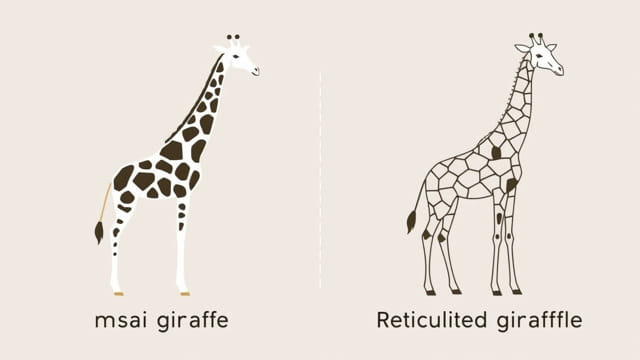
Giraffes are among the most iconic and beloved creatures of the African savanna, recognized for their long necks, towering height, and graceful movements. Within the giraffe species, there are several subspecies, two of the most well-known being the Masai giraffe and the Reticulated giraffe. These giraffes not only differ in appearance but also in habitat, behavior, and conservation status. Understanding the differences between the Masai and Reticulated giraffe is essential for conservation efforts and for anyone interested in African wildlife.
Geographic Distribution
Masai Giraffe Habitat
The Masai giraffe, also known as the Kilimanjaro giraffe (Giraffa tippelskirchi), is primarily found in central and southern Kenya and across Tanzania. It is the most numerous of all giraffe subspecies in the wild. Their habitat ranges from savannas and open woodlands to areas with scattered acacia trees, which provide both food and cover.
Reticulated Giraffe Habitat
The Reticulated giraffe (Giraffa reticulata) has a more restricted range. It is mostly found in northern Kenya and parts of southern Ethiopia and Somalia. These giraffes typically inhabit drier savanna regions and arid landscapes. Their range is more fragmented, and they are more vulnerable due to habitat loss and human encroachment.
Physical Appearance
Coat Patterns and Color
One of the most noticeable differences between the two giraffe subspecies lies in their coat patterns:
- Masai Giraffe: Has irregular, vine-like patches that appear jagged and complex. The patches are darker and separated by light brown lines, giving them a distinctive, rugged appearance.
- Reticulated Giraffe: Displays a more geometric and net-like pattern. The patches are polygonal and sharply defined, separated by bright white lines. Their coat is often considered the most striking of all giraffe types.
Size and Build
Both giraffes are similar in size, but subtle differences exist:
- Masai Giraffe: Slightly taller, with males reaching up to 18 feet. They tend to have more robust and muscular builds.
- Reticulated Giraffe: Slightly shorter on average, with a more slender appearance. They are more elegant in shape but still share the towering height common to all giraffes.
Behavior and Social Structure
Masai Giraffe Behavior
Masai giraffes are known for forming loose herds that change members frequently. Their social groups typically consist of females and their young, while males are more solitary or form bachelor groups. These giraffes are browsers and feed primarily on acacia leaves, using their prehensile tongues to strip foliage from branches.
Reticulated Giraffe Behavior
Reticulated giraffes exhibit similar browsing behavior but are more likely to be seen in tighter-knit groups, especially in regions where water and food sources are limited. They are slightly more social and have been observed forming longer-lasting herds than their Masai counterparts.
Reproduction and Lifespan
Breeding Patterns
Both giraffe types follow similar reproductive behavior. Females reach sexual maturity at around four to six years old, while males mature slightly later. Mating is not seasonal and can occur year-round, though food availability often influences timing.
Gestation and Offspring
The gestation period for both subspecies is about 15 months, after which a single calf is born. Calves are typically six feet tall at birth and can stand and walk within hours. Mothers are highly protective and will often isolate themselves from the herd during birth for safety.
Conservation Status
Masai Giraffe Conservation
The Masai giraffe is currently listed as Endangered by the IUCN. Although it remains the most numerous giraffe subspecies, its population has declined significantly due to poaching, habitat loss, and human-wildlife conflict. Conservation initiatives in Kenya and Tanzania aim to monitor and protect their dwindling numbers through anti-poaching patrols and community-based conservation programs.
Reticulated Giraffe Conservation
The Reticulated giraffe is also listed as Endangered. Its population has been more drastically reduced, with estimates suggesting fewer than 16,000 individuals remain in the wild. Habitat fragmentation and competition with livestock pose serious threats. Conservation efforts focus on habitat protection and collaboration with local communities to raise awareness and reduce conflict.
Ecological Roles
Seed Dispersal and Forest Health
Both giraffes play critical roles in their ecosystems. As browsers, they help maintain healthy tree growth and prevent overgrowth of certain plant species. Their feeding habits also assist in seed dispersal, contributing to the regeneration of vegetation across the savanna.
Prey Awareness and Predator Alert
Due to their height and excellent vision, giraffes act as sentinels in the wild. Other animals benefit from their ability to detect predators such as lions from a distance. Their presence increases the overall safety of the ecosystem for smaller herbivores like antelope and zebras.
Tourism and Cultural Significance
Eco-Tourism Value
Both the Masai and Reticulated giraffes attract thousands of tourists each year to reserves like the Masai Mara and Samburu National Reserve. Their presence boosts local economies and supports jobs in tourism and conservation. Many safari-goers list giraffes as a must-see, and the distinct beauty of each subspecies makes them standout attractions.
Symbol of African Wildlife
Giraffes are also important cultural symbols across Africa. They represent grace, perspective, and adaptability. In local folklore and art, giraffes often symbolize vision and reaching higher goals, reflecting their natural stature and elegance.
Key Differences Summary
- Masai Giraffe: Found in southern Kenya and Tanzania, jagged coat pattern, larger population, more rugged appearance.
- Reticulated Giraffe: Found in northern Kenya and Somalia, geometric coat pattern, more restricted range, more social group dynamics.
While the Masai giraffe and Reticulated giraffe share the same species and many biological traits, their differences are important in understanding the biodiversity of African wildlife. Their distinct appearances, habitats, and social behaviors enrich the ecosystems they inhabit and offer unique insights into giraffe evolution and adaptation. Conservation efforts for both subspecies are vital, as their populations face serious threats from human activity. By learning to distinguish and appreciate these two incredible giraffes, we take a step closer to ensuring their survival for generations to come.