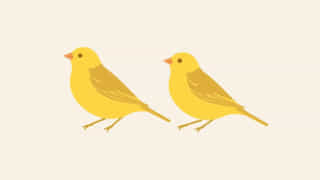
The goldfinch is one of the most striking and admired songbirds in North America, known for its bright plumage, cheerful song, and lively behavior. Among bird enthusiasts and casual backyard observers alike, the contrast between the male and female goldfinch is a point of interest and curiosity. Though both sexes belong to the same species, they exhibit notable differences in appearance, behavior, and roles throughout the seasons. Understanding the distinctions between the male and female goldfinch helps deepen appreciation for this charming bird and sheds light on the fascinating world of avian life.
General Overview of the Goldfinch
Goldfinches are small, vibrant birds belonging to the finch family, scientifically known asSpinus tristis. Commonly referred to as American goldfinches, these birds are found across much of the United States and southern Canada. They are especially known for their late summer breeding season and their preference for feeding on seeds such as thistle and sunflower.
Key Characteristics
- Small size: 4.3 to 5.1 inches in length
- Short, conical beak adapted for seed eating
- Flight pattern: undulating, with short bursts of flapping
- Distinctive flight call: a cheerful, lilting ‘per-chick-o-ree’
Both male and female goldfinches undergo seasonal plumage changes, but the differences are especially noticeable during the breeding season.
Male Goldfinch Appearance
Male goldfinches are easily recognized during spring and summer by their dazzling yellow feathers and black accents. This bright coloration plays a role in attracting mates and asserting territory among other males.
Breeding Plumage (Spring and Summer)
- Brilliant yellow body feathers
- Jet black cap on the forehead
- Black wings with white wing bars
- Bright orange or yellowish bill
- White underparts and tail edges
In fall and winter, males molt into a duller, olive-brown version of their summer plumage. This seasonal change helps them blend better with their surroundings during colder months.
Behavioral Traits of Males
- More vocal and visible during the breeding season
- Performs aerial displays to court females
- Defends territory through song and flight patterns
The male’s vivid coloring is not just for show; it signals health and vitality to potential mates, making him more attractive during mating season.
Female Goldfinch Appearance
Female goldfinches are more subdued in color compared to males, which serves as camouflage when nesting. While still beautiful, their appearance reflects practicality over flashiness.
Breeding Plumage (Spring and Summer)
- Soft yellow or buff-colored body feathers
- Olive or grayish-brown head, lacking the male’s black cap
- Brownish-black wings with subtle white bars
- Paler bill, often a duller orange or tan
- Less contrast between body and wing color
In fall and winter, females also adopt duller, tan-gray plumage similar to non-breeding males, making them harder to distinguish outside the mating season.
Behavioral Traits of Females
- More secretive and reserved than males
- Chooses nesting site and builds the nest alone
- Incubates eggs and broods young
Females are less aggressive and vocal than males but play a crucial role in nurturing and protecting their offspring during the breeding period.
Breeding and Nesting Roles
The roles of male and female goldfinches during breeding and nesting are clearly defined and reflect their physical and behavioral differences.
Male’s Role
- Attracts mate with color and song
- Guards territory and feeds the female during incubation
- Participates in feeding fledglings once hatched
Female’s Role
- Selects nest site, typically in shrubs or trees
- Constructs the nest from plant fibers and spider silk
- Lays 4-6 pale blue eggs and incubates them for about 12-14 days
This division of labor ensures the successful raising of the next generation of goldfinches, with both sexes contributing in complementary ways.
Feeding and Habitat Preferences
Both male and female goldfinches share similar diets and habitat preferences. They are almost exclusively seed-eaters and are especially attracted to native plants that produce small, edible seeds.
Common Foods
- Thistle (also known as nyjer)
- Sunflower seeds
- Dandelion seeds
- Alder and birch catkins
Goldfinches often flock to feeders stocked with nyjer seed, especially during migration or molting seasons when food demand is high. Their preferred habitats include open fields, meadows, and suburban areas with native vegetation and shrubs for nesting.
Seasonal Changes and Migration
Goldfinches are partial migrators, meaning some individuals migrate while others remain in place depending on food availability and climate conditions. Seasonal changes also trigger molting and a shift in social behavior.
Seasonal Behavior Differences
- Spring: Males regain bright plumage and begin courtship displays
- Summer: Breeding and nesting occur; both sexes are busy with parenting
- Fall: Molting begins, and both sexes adopt duller colors
- Winter: Goldfinches may gather in flocks and move southward in search of food
Observing these changes helps birdwatchers track breeding status and distinguish between sexes more accurately depending on the season.
Interesting Facts About Goldfinch Sex Differences
There are several fascinating aspects about male and female goldfinches that go beyond simple appearance.
- Goldfinches breed later in the year than most birds, often waiting for thistle to bloom.
- Their flight pattern is often more erratic and acrobatic during mating season.
- Males may sing while flying in circles to impress females below.
- Females often make the final decision in mate selection based on plumage brightness and song strength.
These behaviors demonstrate the complexity and charm of goldfinch interactions in the wild.
Male and female goldfinches may belong to the same species, but their roles, appearances, and behaviors highlight the diversity and specialization within nature. The vibrant male, with his golden feathers and bold displays, contrasts beautifully with the more modest yet nurturing female. Together, they embody the balance of beauty and function that defines bird life. Whether viewed in a garden, a woodland edge, or during seasonal migrations, observing goldfinches offers a joyful and educational experience for anyone interested in birds and wildlife.