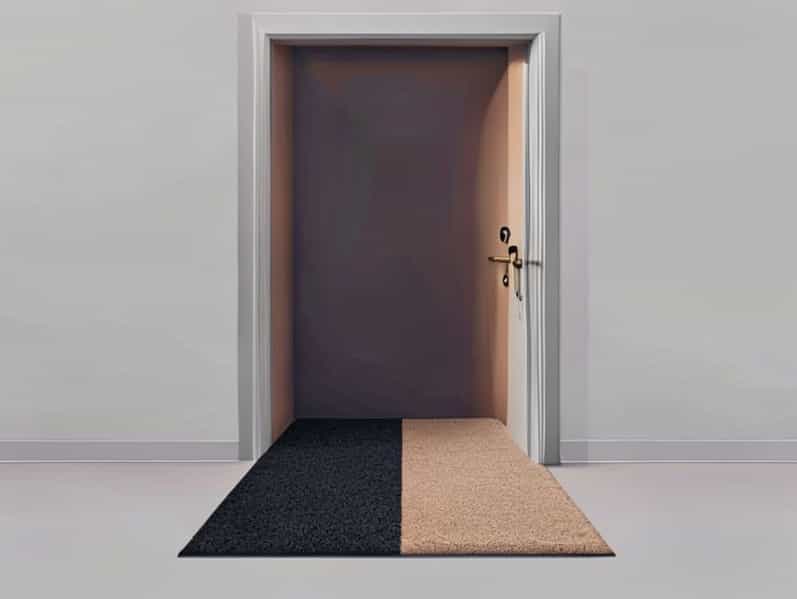
Creating a smooth and attractive LVP to carpet transition in a doorway is a small detail that makes a big difference in how a home looks and feels. Luxury vinyl plank flooring is popular for its durability and modern appearance, while carpet adds warmth and comfort. When these two flooring types meet at a doorway, the transition needs to look intentional, function well, and last over time. Homeowners often underestimate this step, but a well-planned transition can elevate the overall flooring project and prevent future problems.
Understanding the challenge of LVP to carpet transitions
An LVP to carpet transition in a doorway involves joining two flooring materials with very different thicknesses, textures, and installation methods. LVP is typically thinner and rigid, while carpet includes padding that adds height and softness. Without a proper transition solution, the doorway can look unfinished or become a tripping hazard.
The goal of a good transition is to create a clean visual line while also protecting the edges of both flooring types. Doorways are high-traffic areas, so durability matters just as much as appearance.
Why doorways need special attention
Doorways naturally draw attention because they divide rooms. An uneven or poorly finished transition can disrupt the flow between spaces. In addition, doorways experience more foot traffic, increasing wear on flooring edges.
A properly installed LVP to carpet transition in a doorway helps
- Prevent fraying or lifting of carpet edges
- Protect LVP planks from chipping or shifting
- Create a safe walking surface
- Improve the overall visual flow of the home
Common transition options for LVP to carpet
There are several ways to handle an LVP to carpet transition in a doorway, and the best option depends on the height difference, room usage, and design preference.
Transition strips
Transition strips are the most common solution. These are designed specifically to bridge the gap between hard flooring and carpet. They come in various profiles and finishes to match LVP colors.
Popular transition strip types include reducer strips, T-moldings, and carpet edge trims. Reducer strips work well when LVP sits higher than carpet, while carpet edge trims securely hold the carpet in place.
Metal edge trims
Metal trims offer a clean, modern look and are often used in contemporary homes. They provide strong edge protection and work especially well in narrow doorways. Metal trims are durable and resist wear, making them suitable for high-traffic areas.
Flush transitions
A flush LVP to carpet transition creates a seamless look where both flooring surfaces meet at nearly the same height. This approach requires careful planning during installation, especially with carpet padding thickness. While visually appealing, flush transitions can be more complex to achieve.
Measuring height differences accurately
Before choosing a transition method, it is essential to measure the height difference between the LVP and carpet. This includes the LVP plank, underlayment if used, carpet pile, and padding.
Accurate measurements help avoid gaps, uneven edges, or excessive pressure on the carpet. Even a small miscalculation can affect how the transition performs over time.
Placement of the transition in the doorway
Where the transition sits in the doorway is just as important as the type used. Ideally, the transition should align with the center of the door when it is closed. This placement keeps the transition visually balanced from both sides.
Proper placement also ensures that the door swings freely without catching on the transition strip.
Installation considerations for long-term durability
Installing an LVP to carpet transition in a doorway requires attention to detail. The subfloor must be clean and level, as uneven surfaces can cause the transition to loosen over time.
Most transition strips are either glued or screwed into place. Using the recommended installation method ensures the transition stays secure. Rushing this step can lead to squeaks, shifting, or visible gaps.
Allowing for expansion gaps
LVP flooring expands and contracts with temperature changes. A proper transition must allow for this natural movement. Blocking expansion gaps can cause buckling or separation in the planks.
Transition strips are designed to cover expansion gaps while still allowing movement, which is why they are preferred over makeshift solutions.
Aesthetic choices and design flow
An LVP to carpet transition in a doorway should complement both flooring styles. Choosing a transition color that matches the LVP often creates a cleaner look, while neutral tones blend well with carpet.
Consistency throughout the home also matters. Using similar transition styles in multiple doorways helps maintain a cohesive design.
Dealing with uneven subfloors
Older homes often have uneven subfloors, which can complicate transitions. In these cases, minor leveling may be needed before installing the transition.
Ignoring subfloor issues can result in transitions that rock underfoot or fail prematurely. Addressing these problems early saves time and cost in the long run.
DIY versus professional installation
Many homeowners consider installing an LVP to carpet transition themselves. While basic installations are manageable with proper tools and instructions, complex height differences or flush transitions may benefit from professional help.
Professionals can ensure precise cuts, secure fastening, and long-term durability, especially in high-traffic doorways.
Maintenance of LVP to carpet transitions
Once installed, transitions require minimal maintenance. Regular cleaning helps prevent dirt buildup along edges. Checking periodically for looseness ensures small issues are addressed before they become bigger problems.
Carpet edges near the transition should be vacuumed carefully to avoid pulling fibers loose.
Common mistakes to avoid
Several common mistakes can affect the quality of an LVP to carpet transition in a doorway
- Ignoring height differences
- Placing the transition too far into one room
- Using the wrong transition profile
- Failing to secure the transition properly
Avoiding these mistakes leads to a more professional-looking result.
Long-term benefits of a proper transition
A well-executed LVP to carpet transition enhances both functionality and appearance. It protects flooring investments, improves safety, and creates a polished look that adds value to the home.
Doorways may seem like small areas, but they play a major role in how spaces connect and flow together.
LVP to carpet transition in doorway
Designing and installing an effective LVP to carpet transition in a doorway requires planning, accurate measurements, and attention to detail. By choosing the right transition method and focusing on proper installation, homeowners can achieve a result that looks seamless and performs well for years.
Whether the goal is a subtle blend or a defined separation between rooms, the right transition creates harmony between flooring types and completes the overall design of the space.