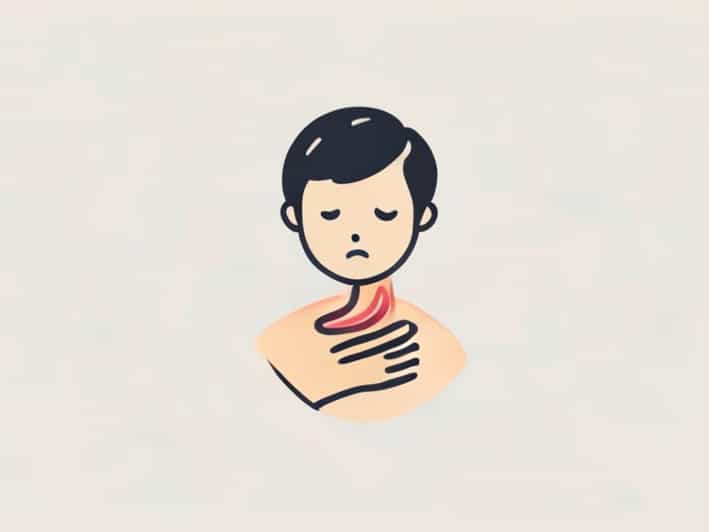
A lump in my throat when I swallow is a sensation many people experience at least once in their lives, and it can feel confusing or even frightening. Some describe it as something stuck in the throat, while others feel tightness, pressure, or fullness that does not seem to go away easily. Even when eating or drinking feels mostly normal, the sensation can persist and create ongoing discomfort. Understanding what this feeling may represent can help reduce unnecessary worry and guide people toward appropriate steps for relief.
Understanding the Lump in the Throat Sensation
The feeling of a lump in the throat is often referred to as a sensation rather than an actual physical blockage. In many cases, nothing is truly obstructing the throat or esophagus. This is why some people notice that food and liquids still pass without difficulty, even though the sensation remains. The throat is a sensitive area with many muscles and nerves, so even minor irritation or tension can create a noticeable feeling.
This sensation may come and go, or it may feel constant throughout the day. For some people, it becomes more noticeable during swallowing, talking, or periods of stress. Understanding that this feeling does not always indicate a serious condition is an important first step in managing concern.
Common Causes of a Lump in My Throat When I Swallow
Muscle Tension and Stress
Stress and anxiety are among the most common reasons for a lump in the throat when swallowing. Emotional tension can cause the muscles in the throat and neck to tighten unconsciously. This muscle tension can create a persistent sensation of something being stuck, even when there is nothing physically present.
People who experience frequent worry, panic, or prolonged stress may notice that the sensation becomes stronger during emotional moments and eases when they are relaxed or distracted.
Acid Reflux and Throat Irritation
Acid reflux occurs when stomach acid flows back up into the esophagus and throat. Even mild reflux can irritate the throat lining and lead to swelling or sensitivity. This irritation may cause a lump-like feeling, especially when swallowing saliva.
Some people do not experience classic heartburn but still have reflux-related throat symptoms. In these cases, the lump in the throat may be one of the main signs.
Postnasal Drip
Postnasal drip happens when excess mucus from the nose and sinuses drains down the back of the throat. This can occur due to allergies, colds, or sinus infections. The constant presence of mucus may lead to throat irritation and the sensation of a lump, particularly when swallowing.
Enlarged Thyroid or Neck Structures
The thyroid gland is located in the front of the neck, just below the Adam’s apple. If it becomes enlarged, it may create pressure in the throat area. While this is less common, it can contribute to a lump sensation when swallowing.
Other nearby structures, such as swollen lymph nodes, may also create a similar feeling during periods of infection or inflammation.
Less Common Causes to Be Aware Of
While most cases are related to benign conditions, there are less common causes that may need medical evaluation. These include structural changes in the esophagus, chronic inflammation, or growths in the throat area. These conditions often come with additional symptoms such as pain, difficulty swallowing solid foods, unexplained weight loss, or voice changes.
It is important not to jump to conclusions, but also not to ignore persistent or worsening symptoms.
How Lifestyle Habits Can Affect Throat Sensations
Daily habits can play a significant role in throat discomfort. Certain behaviors may worsen irritation or muscle tension and make a lump in the throat more noticeable.
- Frequent throat clearing, which can irritate throat tissues
- Smoking or exposure to smoke
- Excessive caffeine or alcohol consumption
- Eating large meals close to bedtime
- Poor posture that strains neck muscles
Making small changes to these habits can sometimes reduce symptoms over time.
When the Sensation Is Related to Swallowing
Some people notice the lump in their throat mainly when they swallow saliva rather than food. This can feel particularly unsettling, as it draws attention to the act of swallowing itself. In many cases, this pattern is associated with muscle tension or heightened awareness of throat sensations.
Swallowing is a complex process involving many muscles working together. When someone becomes overly aware of this process, minor sensations can feel amplified and uncomfortable.
Self-Care and Symptom Relief
For mild or occasional symptoms, self-care strategies may help ease discomfort. These approaches focus on reducing irritation, relaxing throat muscles, and addressing potential triggers.
- Practicing slow, deep breathing to reduce tension
- Staying well hydrated to keep the throat moist
- Eating smaller, balanced meals
- Avoiding foods that trigger reflux
- Maintaining good posture throughout the day
Gentle neck stretches and relaxation techniques may also help reduce muscle tightness in the throat area.
When to Seek Medical Advice
Although a lump in my throat when I swallow is often harmless, there are situations where medical evaluation is recommended. If the sensation lasts for several weeks, becomes progressively worse, or is accompanied by other concerning symptoms, it is wise to consult a healthcare professional.
Symptoms that may require further assessment include pain when swallowing, frequent choking, persistent hoarseness, coughing up blood, or noticeable swelling in the neck. A medical provider can perform appropriate examinations and tests to determine the underlying cause.
Managing Worry and Anxiety About Throat Symptoms
Persistent throat sensations can cause anxiety, which in turn can intensify the feeling of a lump in the throat. This creates a cycle where worry leads to muscle tension, and muscle tension worsens symptoms. Breaking this cycle is an important part of long-term management.
Mindfulness practices, stress management techniques, and reassurance from a healthcare provider can help reduce fear and improve overall comfort. Understanding that the symptom is common and often non-serious can bring significant relief.
Living Comfortably With Throat Sensations
Experiencing a lump in the throat when swallowing does not mean that something is seriously wrong in most cases. Many people find that their symptoms improve with time, lifestyle adjustments, and stress reduction. Paying attention to triggers and listening to your body can make a meaningful difference.
By staying informed and proactive, individuals can manage this uncomfortable sensation more confidently and know when to seek help if needed. With the right approach, the throat can feel comfortable again, allowing daily activities like eating, speaking, and swallowing to return to normal.