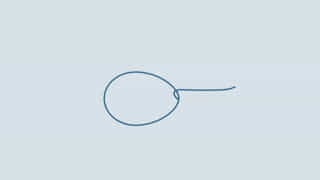
Fishing with fluorocarbon line has become increasingly popular due to its low visibility in water and excellent abrasion resistance. However, tying knots in fluorocarbon can be tricky because the material is stiffer and more slippery than other lines. This is where the loop knot becomes especially useful. A loop knot allows your bait or lure to move more naturally, improving your chances of enticing a strike. For anglers who want the best action out of their lures or flies, knowing how to tie a proper loop knot with fluorocarbon is essential.
What Is a Loop Knot?
A loop knot is a type of fishing knot that creates a non-slip loop at the end of your fishing line. It allows the attached lure or hook to move more freely, providing a more lifelike presentation. This is particularly important when using fluorocarbon leaders, as the stiff nature of the material can sometimes hinder the natural action of your bait. By using a loop knot, you maintain flexibility and motion at the connection point.
Why Use a Loop Knot with Fluorocarbon?
Fluorocarbon is valued for its durability and near-invisibility in water, but it lacks the flexibility of monofilament. This makes it more challenging to tie secure knots that also allow free lure movement. A loop knot helps compensate for the rigidity by:
- Providing a free-swinging connection to the lure or hook
- Reducing pressure at a single point on the knot
- Maintaining knot strength under tension
Popular Loop Knots for Fluorocarbon
Several loop knots work well with fluorocarbon lines, but a few stand out for their reliability and ease of tying. These include the Non-Slip Loop Knot, Perfection Loop, and Rapala Knot. Each serves a slightly different purpose, but all offer strong performance when used with fluorocarbon.
Non-Slip Loop Knot
The Non-Slip Loop Knot is one of the most widely recommended knots for tying fluorocarbon to lures. It holds firm under pressure and resists slipping thanks to the wraps that grip the standing line.
Steps to Tie:
- Make an overhand knot several inches from the tag end of the line.
- Pass the tag end through the eye of the hook or lure.
- Run the tag end back through the overhand knot.
- Wrap the tag end around the standing line 45 times.
- Pass the tag end back through the overhand knot again.
- Moisten and pull tight while adjusting the size of the loop.
Rapala Knot
The Rapala Knot, named after the famous lure company, is ideal for attaching lures where you want the loop to remain consistent in size. It performs exceptionally well with hard baits that require maximum movement.
Steps to Tie:
- Make an overhand knot in the line.
- Pass the tag end through the eye of the lure and back through the overhand knot.
- Wrap the tag end around the standing line three times.
- Pass the tag end back through the overhand knot again and then through the loop created.
- Moisten and slowly pull the knot tight while keeping the loop intact.
Perfection Loop
The Perfection Loop is often used when pre-tying leaders or tippets and is best for creating a clean, small loop. While it’s not as strong as the Non-Slip Loop Knot, it’s fast and neat, ideal for making quick changes on the water.
Steps to Tie:
- Form a loop by doubling the line back on itself.
- Create a second loop by bringing the tag end behind the first loop.
- Hold the loops between your fingers and pass the tag end between them.
- Pull the tag end to tighten, making sure the loops stay aligned.
Tips for Tying Loop Knots in Fluorocarbon
Since fluorocarbon is more prone to slipping and breaking under sharp tension points, follow these tips to increase knot success:
- Moisten the Knot: Always lubricate the knot with saliva or water before tightening. This reduces friction and prevents heat build-up that can weaken fluorocarbon.
- Slowly Tighten: Cinch the knot slowly and evenly to avoid weakening the line.
- Trim Carefully: Use sharp scissors to trim the tag end cleanly without leaving jagged edges that could catch on weeds or debris.
- Practice Makes Perfect: Practice tying loop knots before heading to the water. Fluorocarbon requires more precision than other lines.
When to Use a Loop Knot
Loop knots are not universally necessary, but they shine in certain fishing scenarios. Use a loop knot when:
- You’re fishing with topwater lures or crankbaits that need free action.
- You want to present soft plastics or jigs more naturally.
- You need a knot that maintains strength under varying pressure angles.
Loop Knot Strength with Fluorocarbon
While knot strength depends on many factors like tying accuracy and line quality, the Non-Slip Loop Knot typically retains 8090% of fluorocarbon’s original strength. The Rapala Knot performs similarly, while the Perfection Loop may retain slightly less strength. Always test the knot before fishing to ensure it holds securely.
Line Compatibility
Fluorocarbon comes in different stiffness and diameters, depending on the brand and intended use. Heavier lines require more careful knot tying. For best results:
- Use more wraps on thicker lines.
- Choose knots with proven strength, like the Non-Slip Loop.
- Don’t overtighten the knot until all loops are in place.
Loop Knot Applications in Saltwater and Freshwater
Loop knots are versatile and useful in both saltwater and freshwater fishing. In saltwater, they are excellent for connecting to jigs, plugs, or live bait rigs where unrestricted movement is key. In freshwater, they help finesse lures like jerkbaits or swimbaits perform naturally.
Using a loop knot for fluorocarbon line is a smart strategy for improving lure performance and presentation. While tying knots with fluorocarbon can be more demanding than with other lines, the effort pays off in better action and more strikes. Whether you choose the Non-Slip Loop, Rapala Knot, or Perfection Loop, practicing the right technique and understanding your line’s characteristics will give you the edge on the water. Mastering the loop knot is a valuable skill every angler should have in their fishing arsenal.