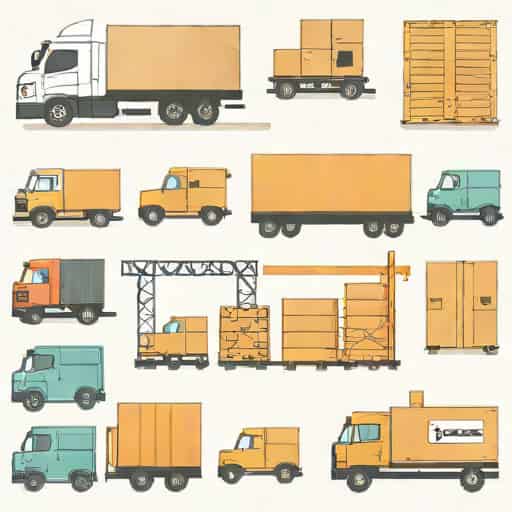
Logistic arrangements, also known as logistical arrangements, play a crucial role in ensuring the smooth functioning of supply chains, event management, military operations, and business operations. These arrangements involve careful planning, coordination, and execution of resources, personnel, and materials to achieve specific objectives efficiently. Without proper logistical arrangements, organizations may face delays, increased costs, and operational inefficiencies that can significantly impact productivity and overall success. From transporting goods to organizing complex events or coordinating emergency responses, the principles of logistics are applied in multiple fields to optimize processes, improve efficiency, and ensure timely delivery of goods and services.
Definition and Importance of Logistic Arrangements
Logistic arrangements refer to the systematic organization of resources, transportation, and operations to facilitate smooth movement and delivery of goods, services, or personnel. This term encompasses various activities such as inventory management, transportation planning, warehousing, distribution, and scheduling. Effective logistical arrangements ensure that materials and resources are available at the right place, at the right time, and in the right condition.
The importance of logistical arrangements extends beyond simple transportation. Businesses rely on these arrangements to minimize costs, enhance customer satisfaction, and maintain competitive advantage. In the context of events, proper logistical planning guarantees that equipment, personnel, and services are available and functioning efficiently, preventing disruptions and ensuring seamless execution.
Key Components of Logistical Arrangements
Understanding the core components of logistic arrangements helps organizations implement effective strategies and optimize operational efficiency. These components include
- TransportationSelecting the most efficient and cost-effective modes of transport for goods or personnel.
- Inventory ManagementMaintaining optimal stock levels to meet demand without incurring unnecessary costs.
- WarehousingStrategically storing goods to ensure accessibility and minimize handling time.
- DistributionCoordinating the delivery of goods to customers or operational sites efficiently.
- Scheduling and PlanningTiming and sequencing of logistics activities to reduce delays and maximize resource utilization.
- CommunicationEnsuring clear coordination between all parties involved to prevent errors and mismanagement.
Types of Logistical Arrangements
Logistical arrangements can be classified into different types depending on the nature of the operation or industry
1. Military Logistics
In the military, logistical arrangements involve supplying troops with weapons, food, fuel, and equipment. Effective military logistics ensures operational readiness, enhances mobility, and supports strategic objectives. Military logistics often requires coordination across multiple regions and units, making precision and timing critical for mission success.
2. Business and Commercial Logistics
In business, logistical arrangements focus on supply chain management. This includes procurement of raw materials, production scheduling, inventory control, transportation, and distribution to retailers or consumers. Businesses that optimize their logistical arrangements benefit from cost savings, faster delivery times, and improved customer satisfaction.
3. Event Management Logistics
Event logistics involves planning and coordinating all the resources necessary for successful events, such as conferences, concerts, and sports competitions. This includes venue preparation, transportation for participants, equipment setup, catering, and security. Efficient logistical arrangements in events ensure smooth execution, attendee satisfaction, and minimal disruptions.
Planning and Implementation of Logistic Arrangements
Successful logistical arrangements require detailed planning and careful implementation. The process typically involves several stages
- Assessment of RequirementsIdentifying resources, personnel, and materials needed for the operation.
- Route and Transportation PlanningDetermining the most efficient routes and transportation methods.
- Inventory and Resource AllocationEnsuring adequate stock levels and distributing resources to necessary locations.
- SchedulingDeveloping timelines to coordinate the movement and availability of resources.
- Monitoring and AdjustmentContinuously tracking progress and making adjustments to address delays, shortages, or other challenges.
Planning logistics requires collaboration across multiple departments and stakeholders to avoid bottlenecks and ensure the operation runs smoothly. Modern technologies, including logistics software, GPS tracking, and data analytics, have greatly improved the efficiency and accuracy of logistical arrangements.
Challenges in Logistical Arrangements
Despite careful planning, logistical arrangements often face several challenges. These can include
- Transportation DisruptionsDelays due to traffic, weather conditions, or vehicle breakdowns.
- Inventory ShortagesUnexpected demand spikes or supply shortages can disrupt operations.
- Coordination IssuesMiscommunication among teams, suppliers, or partners can lead to errors.
- Cost ManagementBalancing efficiency with budget constraints is a common challenge.
- Technological FailuresDependence on software and tracking systems can create vulnerabilities if systems fail.
Addressing these challenges requires proactive planning, flexibility, and contingency strategies. Organizations often develop backup plans, maintain safety stock, and implement real-time monitoring to mitigate potential disruptions.
Technological Innovations in Logistical Arrangements
Advancements in technology have revolutionized logistical arrangements, making operations more efficient, accurate, and reliable. Modern tools include
- Logistics Management SoftwareCentralizes planning, tracking, and coordination of logistics activities.
- GPS Tracking and TelematicsProvides real-time monitoring of vehicles and shipments to improve delivery accuracy.
- Automated WarehousingRobotics and automated systems enhance inventory management and reduce handling time.
- Data AnalyticsPredictive analytics helps forecast demand, optimize routes, and identify efficiency improvements.
- AI and Machine LearningSupports decision-making by analyzing patterns, predicting disruptions, and suggesting solutions.
These technologies not only improve operational efficiency but also reduce costs and enhance customer satisfaction by ensuring timely deliveries and resource availability.
Logistic arrangements, or logistical arrangements, are essential for the smooth functioning of businesses, military operations, events, and many other fields. They involve careful planning, coordination, and execution of resources, personnel, and materials to achieve objectives efficiently. By understanding key components, types, planning strategies, and technological tools, organizations can optimize logistics to reduce costs, improve performance, and meet deadlines. Challenges are inevitable, but with proactive strategies and modern innovations, logistic arrangements can be executed effectively, ensuring successful operations across various sectors. Whether in transporting goods, managing supply chains, or coordinating large-scale events, effective logistical arrangements remain a cornerstone of operational success, demonstrating the critical role logistics plays in modern society.