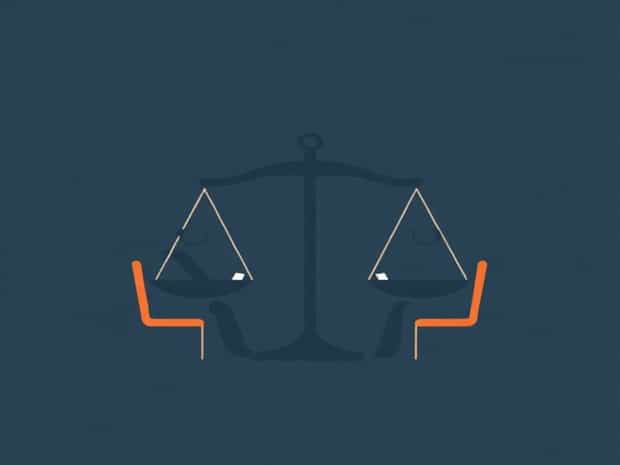
When two or more parties come together to discuss terms, resolve differences, or build agreements, the foundation of the process often relies on logic. While emotions, persuasion, and even authority can play a role in shaping outcomes, it is logic that outweighs in all well-conducted negotiations. Logical reasoning provides structure, fairness, and clarity that allow negotiations to progress toward sustainable solutions. Without it, discussions risk breaking down into confusion, conflict, or agreements that cannot stand the test of time. This principle has guided successful negotiators for centuries and continues to be the cornerstone of productive dialogue today.
The Role of Logic in Negotiation
Logic serves as the backbone of negotiations because it organizes arguments into a sequence that others can understand and evaluate. Instead of relying on emotional outbursts or pressure, logical negotiation highlights cause and effect, benefits and risks, and clear comparisons between alternatives. By doing so, both parties are more likely to find common ground and reach agreements that are mutually beneficial.
Why Logic Outweighs Emotion
Emotions can cloud judgment, making individuals overvalue short-term gains or react defensively to minor setbacks. Logic, however, brings balance. It allows participants to step back from heated feelings and analyze what truly matters in the long run. While emotions may add passion or urgency, logical reasoning ensures fairness and sustainability in outcomes.
Key Elements of Logical Negotiation
Negotiators who rely on logic focus on clear communication and rational analysis. Several elements define this process
- Evidence-based arguments– Supporting claims with facts, data, or real-world examples rather than assumptions.
- Structured reasoning– Presenting points in an organized sequence that builds toward a clear conclusion.
- Comparative evaluation– Weighing alternatives side by side to see which offers the greatest benefits with the least risk.
- Transparency– Ensuring that motives, constraints, and objectives are expressed openly to avoid misunderstandings.
Logic in Business Negotiations
In the business world, logic plays a central role. Whether discussing contracts, pricing, or partnerships, well-conducted negotiations rely on measurable criteria. A supplier and buyer, for instance, may each have emotional stakes in the deal, but only logical reasoning ensures the final agreement is profitable and sustainable. Numbers, timelines, and quality standards cannot be dismissed by passion alone.
Negotiating with Data
Modern business negotiations frequently involve data-driven decision-making. Market analysis, cost projections, and performance metrics form the logical framework that both sides can trust. This shared reliance on data makes discussions less personal and more objective, allowing agreements to stand on rational foundations.
Logic in Conflict Resolution
When disputes arise, whether between colleagues, communities, or even nations, emotions often intensify. Yet it is logic that helps break deadlocks. By reframing issues in terms of shared interests, measurable outcomes, and long-term stability, negotiators can shift conversations from hostility to cooperation. Logic reminds all parties that resolution is not about winning but about creating solutions that all sides can live with.
Bridging Differences with Rationality
Consider labor negotiations between employers and employees. Tension and emotion may dominate the early stages. However, when both sides focus on logical points such as productivity, costs, and benefits they are more likely to identify compromises. Rational trade-offs create a pathway to agreements that respect both fairness and efficiency.
Strategies for Using Logic Effectively
Logic in negotiation does not mean ignoring the human side of discussions. Instead, it means leading with rational arguments while still respecting emotional needs. Some effective strategies include
- Prepare thoroughly– Gather facts, figures, and examples before entering a discussion.
- Ask clarifying questions– Ensure understanding before responding to proposals or objections.
- Separate people from problems– Focus on issues, not personalities.
- Highlight mutual benefits– Frame logical outcomes as wins for both sides.
- Use step-by-step reasoning– Build arguments gradually so others can follow the logic easily.
Common Pitfalls When Logic is Ignored
Not all negotiations are well-conducted, and failure to prioritize logic often leads to poor outcomes. Some pitfalls include
- Emotional escalation– Arguments become personal, preventing collaboration.
- Unclear goals– Without logical planning, parties may not know what they truly want.
- One-sided outcomes– Decisions made without logical balance often collapse when one side feels exploited.
- Breakdown of trust– Illogical or inconsistent reasoning damages credibility and weakens future negotiations.
Real-Life Applications of Logical Negotiation
History and everyday life provide many examples where logic determined success. International treaties are shaped by logical frameworks of verification and enforcement. Corporate mergers depend on rational valuation and due diligence. Even family decisions, such as planning budgets or settling disputes, are most effective when handled logically rather than emotionally.
Case Example
Imagine two companies negotiating a partnership. One side may want rapid growth, while the other focuses on risk management. If they argue emotionally, they may walk away with nothing. But through logical reasoning examining projected profits, identifying safeguards, and balancing contributions they can find a formula that satisfies both objectives.
The Balance of Logic and Empathy
Although logic outweighs in all well-conducted negotiations, it does not exist in isolation. Successful negotiators balance rational arguments with empathy. Recognizing emotions helps build trust, while logic ensures fairness. Together, they create agreements that are not only strong on paper but also accepted in practice.
Why Logic Must Lead
Empathy opens doors, but logic keeps them open. A negotiator who relies only on feelings may win temporary goodwill but lose long-term effectiveness. Conversely, one who leans too heavily on cold logic without acknowledging human needs risks alienating others. The most effective approach blends both, but always ensures logic sets the foundation.
In the world of negotiation, success is rarely a matter of force or emotion alone. Logic is the anchor that grounds discussions in fairness, clarity, and mutual benefit. It outweighs other factors in all well-conducted negotiations because it provides structure, prevents misunderstandings, and fosters sustainable agreements. When negotiators prepare carefully, use rational analysis, and remain open to empathy, they can create outcomes that endure. Ultimately, logic is not just a tool it is the guiding principle that ensures negotiations move forward with purpose and integrity.