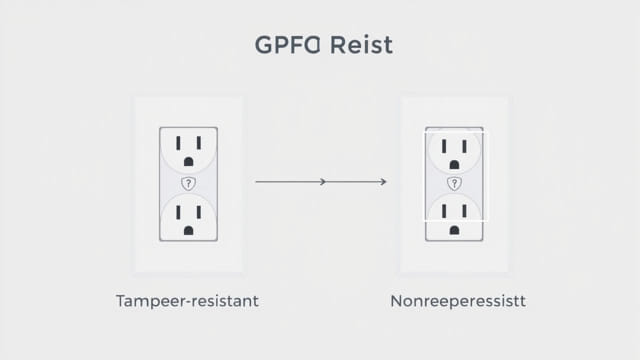
Ground Fault Circuit Interrupters (GFCIs) are essential safety devices designed to protect people from electric shocks caused by ground faults. Among the many options available on the market, two common types stand out: lockout GFCI tamper resistant and non-tamper resistant models. Both serve the critical function of detecting electrical faults and cutting power quickly, but they differ in features and applications. Understanding the differences between lockout tamper resistant GFCIs and non-tamper resistant units can help homeowners, electricians, and builders make informed choices for safer electrical installations in homes, schools, and commercial spaces.
Understanding GFCI Basics
A GFCI device continuously monitors the flow of electricity in a circuit. If it detects an imbalance indicating current leakage to the ground, it trips the circuit to prevent potential electric shock. These devices are typically installed in areas with a high risk of moisture exposure such as kitchens, bathrooms, garages, and outdoor outlets.
Why GFCIs are Important
- Prevent electric shock injuries and fatalities
- Comply with electrical codes and safety standards
- Protect electrical equipment from damage due to faults
What Does Tamper Resistant Mean in GFCIs?
Tamper resistant (TR) GFCIs are designed to prevent foreign objects from being inserted into the outlets. This feature is especially important in homes with children, as it helps reduce the risk of electrical injuries caused by inserting items such as keys, hairpins, or paperclips into the socket.
How Tamper Resistance Works
TR GFCIs use internal shutters that block access to the contacts unless equal pressure is applied simultaneously to both slots (as would happen when plugging in a proper electrical plug). This mechanism helps prevent accidental or intentional insertion of unsafe objects.
What is a Lockout GFCI?
A lockout GFCI is a safety-enhanced device designed to prevent the use of a faulty or damaged GFCI. When the device detects an internal fault or has reached the end of its service life, it enters a lockout mode, cutting power and refusing to reset until it is replaced. This feature protects users by ensuring that a defective GFCI cannot provide false safety protection.
Lockout Feature Benefits
- Prevents continued use of malfunctioning devices
- Enhances overall electrical safety
- Facilitates timely replacement and maintenance
Differences Between Lockout Tamper Resistant and Non-Tamper Resistant GFCIs
1. Safety Features
Lockout tamper resistant GFCIs combine two important safety features: tamper resistance to protect against accidental foreign object insertion and lockout functionality to disable faulty units. Non-tamper resistant GFCIs lack the shutter mechanism, posing a higher risk of injury from inserted objects. Non-lockout models, on the other hand, will attempt to reset even when faulty, which may reduce overall safety.
2. Applications
- Lockout Tamper Resistant GFCIs: Ideal for residential settings with children, schools, daycare centers, and locations where maximum safety is required.
- Non-Tamper Resistant GFCIs: Often used in industrial or commercial environments where tamper resistance is less of a concern but GFCI protection is still needed.
3. Compliance with Regulations
Many modern electrical codes require tamper resistant receptacles in residential settings, especially in new constructions and renovations. Lockout GFCIs often meet or exceed these requirements, providing added assurance. Non-tamper resistant devices may not comply with certain safety codes for homes.
4. Cost Differences
Lockout tamper resistant GFCIs tend to be priced higher than non-tamper resistant models due to their enhanced safety features and technology. However, this cost is generally justified by improved safety and code compliance.
Installation Considerations
Installing a lockout tamper resistant GFCI is similar to installing a standard GFCI. It is important to ensure proper wiring and grounding. Some tips for installation include:
- Turn off power at the breaker before starting
- Identify line and load terminals carefully
- Follow manufacturer instructions for wiring and testing
- Test the device after installation to verify functionality
Maintenance Tips
Regular testing of GFCI devices, including lockout tamper resistant models, is critical. Press the test and reset buttons monthly to ensure the device trips and resets correctly. If the device enters lockout mode, it must be replaced immediately to maintain safety.
Common Misconceptions
- All GFCIs are the same: Not true. Features such as tamper resistance and lockout significantly affect safety and usability.
- Lockout means the device is broken: Lockout is a deliberate safety feature to prevent unsafe use.
- Tamper resistant is only for kids: While critical for homes with children, tamper resistance improves safety in any environment by reducing accidental electrical hazards.
Choosing the Right GFCI for Your Needs
When selecting between lockout tamper resistant and non-tamper resistant GFCIs, consider your environment and specific safety requirements. Homes with children or vulnerable populations will benefit most from lockout tamper resistant devices. For commercial or industrial applications, evaluating code requirements and usage conditions will guide appropriate selection.
Key Factors to Evaluate
- Safety needs and potential hazards
- Compliance with local electrical codes
- Budget and cost-effectiveness
- Durability and maintenance expectations
Lockout GFCI tamper resistant devices offer superior safety by combining two important protective features that reduce the risk of electric shock and prevent the use of faulty units. Non-tamper resistant GFCIs provide basic ground fault protection but lack critical safeguards that are increasingly mandated by electrical codes. Understanding the differences between these devices helps homeowners, electricians, and builders ensure safer electrical environments. Choosing the right GFCI model not only complies with safety standards but also provides peace of mind by protecting users from potentially dangerous electrical faults.