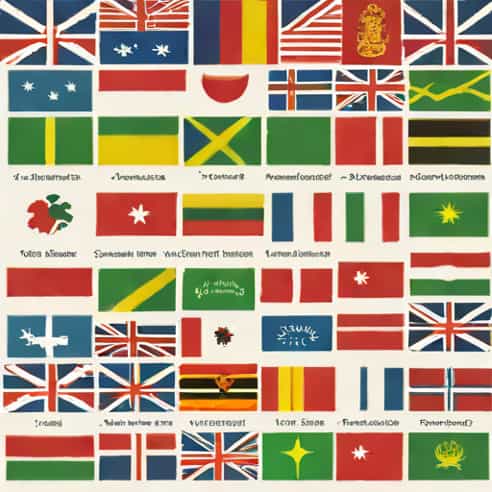
The Commonwealth of Nations, often simply called the Commonwealth, is a political association of 56 member countries, most of which were formerly part of the British Empire. These countries share historical ties, cultural connections, and common values, including democracy, human rights, and the rule of law. The Commonwealth encourages cooperation in areas such as trade, education, governance, and environmental sustainability. Knowing the list of Commonwealth countries helps to understand the global influence of this organization and its diverse membership spanning Africa, Asia, the Americas, Europe, and the Pacific.
Understanding the Commonwealth
The Commonwealth is not a political union in the traditional sense; member countries maintain full sovereignty and independence. Instead, the organization functions as a network for collaboration, providing forums for dialogue, shared initiatives, and support among nations. Membership is open to countries that respect the Commonwealth’s values and have historical or cultural ties to existing members. The organization celebrates diversity, with countries ranging from large economies like India and Canada to smaller island nations like Nauru and Tuvalu. This diversity enhances cultural exchange and fosters global cooperation.
Historical Background
The Commonwealth’s origins date back to the early 20th century, when former British colonies began seeking greater autonomy while maintaining connections with Britain. The Statute of Westminster in 1931 marked a key turning point, granting legislative independence to dominions such as Canada, Australia, and New Zealand. Over time, more countries joined, and the organization evolved into the modern Commonwealth, emphasizing voluntary association, shared goals, and cooperative partnerships rather than direct political control. Today, the Commonwealth promotes equality among members regardless of size or economic power.
List of Commonwealth Countries by Region
Commonwealth countries are spread across several continents, reflecting the historical reach of the British Empire. Below is a breakdown of member states by region
Africa
- Botswana
- Cameroon
- Gambia
- Ghana
- Kenya
- Lesotho
- Malawi
- Mauritius
- Mozambique
- Namibia
- Nigeria
- Rwanda
- Seychelles
- Sierra Leone
- South Africa
- Eswatini
- Tanzania
- Uganda
- Zambia
- Zimbabwe
Asia
- Bangladesh
- Brunei
- India
- Malaysia
- Maldives
- Pakistan
- Sri Lanka
- Singapore
Caribbean and Americas
- Antigua and Barbuda
- The Bahamas
- Barbados
- Belize
- Canada
- Dominica
- Grenada
- Guyana
- Jamaica
- Saint Kitts and Nevis
- Saint Lucia
- Saint Vincent and the Grenadines
- Trinidad and Tobago
Europe
- Cyprus
- United Kingdom
- Malta
Pacific and Oceania
- Australia
- Fiji
- Kiribati
- Nauru
- New Zealand
- Papua New Guinea
- Samoa
- Solomon Islands
- Tonga
- Tuvalu
- Vanuatu
Key Features of Commonwealth Membership
Being part of the Commonwealth offers numerous benefits for countries. Members participate in the Commonwealth Games, which are held every four years and feature athletes from all member states. Additionally, the organization facilitates trade agreements, education initiatives, and diplomatic cooperation. Commonwealth members also benefit from shared legal and governance frameworks, drawing on common law traditions and democratic principles. Cultural exchanges, language ties, and historical links strengthen relations between countries despite geographic distances.
Economic and Educational Collaboration
Trade and investment opportunities are a significant aspect of the Commonwealth. Member countries often collaborate to improve economic development, reduce poverty, and enhance global competitiveness. Educational programs, scholarships, and professional networks are also promoted, allowing students and professionals to gain international experience and foster cooperation. Initiatives like the Commonwealth Scholarship and Fellowship Plan highlight the organization’s commitment to education and knowledge sharing, helping member countries build skilled workforces and strengthen human capital.
Challenges and Future of the Commonwealth
Despite its achievements, the Commonwealth faces challenges in remaining relevant in a rapidly changing world. Differences in economic development, political systems, and social conditions among member countries can create tensions. Some critics argue that the organization has limited enforcement power, relying instead on consensus and shared values. However, the Commonwealth continues to adapt by addressing global issues such as climate change, human rights, and sustainable development. Its future depends on maintaining relevance through meaningful cooperation and inclusive initiatives.
The list of Commonwealth countries demonstrates the extensive reach and influence of this unique organization. From Africa to the Pacific, these nations share historical ties, cultural connections, and a commitment to shared values. Membership provides opportunities for trade, education, and diplomatic collaboration, while also presenting challenges that require careful negotiation and mutual respect. Understanding the Commonwealth and its member countries helps appreciate the diversity, history, and global significance of this association. Whether through cultural exchanges, international initiatives, or shared sporting events, the Commonwealth continues to foster connections among its 56 diverse and vibrant member states.