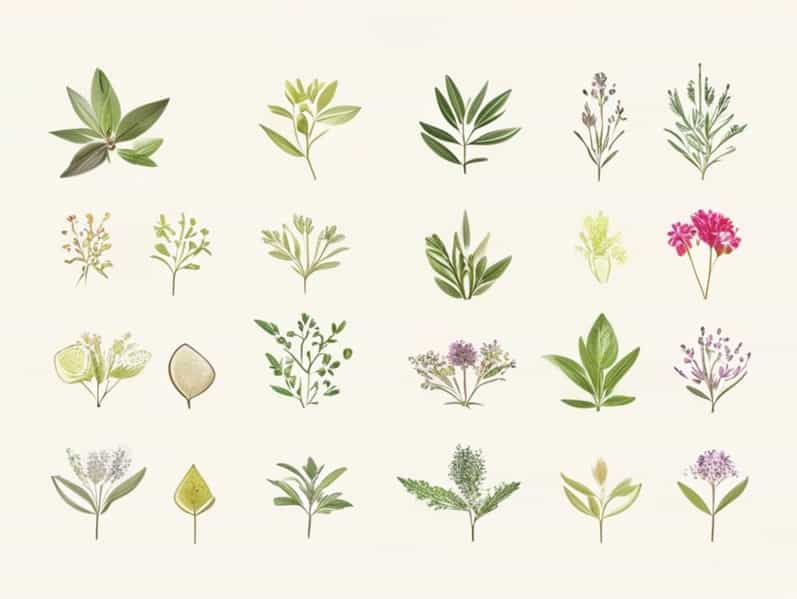
Aromatic plants have been part of human life for thousands of years, valued for their pleasant fragrances, flavorful qualities, and practical benefits. From home gardens to large farms, these plants are grown not only for their beauty but also for their uses in cooking, medicine, cosmetics, and traditional practices. The list of aromatic plants and their uses is diverse, covering herbs, shrubs, and flowering plants that release distinctive scents when touched or crushed. Understanding these plants helps people appreciate how nature provides natural solutions for health, wellness, and everyday living.
What Are Aromatic Plants
Aromatic plants are plants that contain essential oils responsible for their characteristic fragrance. These oils are usually found in leaves, flowers, seeds, bark, or roots. When released, they produce pleasant aromas that can stimulate the senses and serve various functional purposes.
Most aromatic plants are easy to grow and adapt well to different climates. They are widely used in households, agriculture, and industry because of their versatility and natural appeal.
Importance of Aromatic Plants
Aromatic plants play an important role in culinary traditions, natural medicine, aromatherapy, and cultural rituals. Their essential oils are often used as natural alternatives to synthetic products.
List of Common Aromatic Plants and Their Uses
Below is a detailed list of aromatic plants and their uses, highlighting how each plant contributes to daily life.
Lavender
Lavender is one of the most popular aromatic plants, known for its calming fragrance. It is widely used in aromatherapy to reduce stress and promote relaxation.
- Used in essential oils and perfumes
- Helps improve sleep quality
- Used in soaps and skincare products
Rosemary
Rosemary is a fragrant herb commonly used in cooking and herbal medicine. Its strong aroma makes it a favorite in Mediterranean cuisine.
- Used as a culinary herb for flavoring
- Supports memory and concentration
- Used in hair care products
Mint
Mint is a fast-growing aromatic plant with a refreshing scent. It is widely used in beverages, desserts, and traditional remedies.
- Used in teas and cold drinks
- Aids digestion and relieves nausea
- Used in toothpaste and mouth fresheners
Basil
Basil is a popular aromatic herb with a sweet and slightly spicy fragrance. It is commonly grown in kitchen gardens.
- Used in sauces, salads, and soups
- Has antibacterial properties
- Used in traditional herbal medicine
Jasmine
Jasmine is an aromatic flowering plant known for its rich and sweet scent. It is highly valued in the perfume industry.
- Used in perfumes and scented oils
- Promotes relaxation and mood improvement
- Used in herbal teas
Lemongrass
Lemongrass has a citrus-like aroma and is widely used in Asian cooking. It also has medicinal and cosmetic applications.
- Used as a flavoring agent in food
- Acts as a natural insect repellent
- Used in essential oils and soaps
Thyme
Thyme is a small aromatic herb with a strong earthy fragrance. It has both culinary and medicinal importance.
- Used in cooking meats and vegetables
- Supports respiratory health
- Used in herbal remedies
Sage
Sage is an aromatic plant with a slightly peppery scent. It has been used traditionally for cleansing and healing.
- Used in culinary dishes
- Known for antimicrobial properties
- Used in incense and traditional rituals
Coriander
Coriander is an aromatic plant where both leaves and seeds are used. Its fresh aroma makes it popular in many cuisines.
- Used as a spice and garnish
- Aids digestion
- Used in traditional medicine
Geranium
Geranium is an aromatic flowering plant with a rose-like fragrance. It is commonly used in essential oil production.
- Used in perfumes and cosmetics
- Helps balance skin oils
- Used in aromatherapy
Aromatic Plants Used in Traditional Medicine
Many aromatic plants are used in traditional and herbal medicine systems around the world. Their essential oils and extracts are believed to have healing properties.
These plants are often used to prepare teas, oils, and topical applications to support physical and mental well-being.
Medicinal Benefits
- Relief from stress and anxiety
- Support for digestion and immunity
- Natural remedies for minor ailments
Aromatic Plants in Daily Life
Aromatic plants are not limited to medicine and cooking. They are also used to enhance living spaces and personal care routines.
Many households grow aromatic plants in gardens or pots to enjoy fresh scents and practical benefits.
Household and Lifestyle Uses
- Natural air fresheners
- Homemade cleaning products
- Scented candles and oils
Economic Importance of Aromatic Plants
The cultivation of aromatic plants supports agriculture, small businesses, and global industries. Essential oils, dried herbs, and plant extracts are valuable commercial products.
Farmers and gardeners benefit from growing aromatic plants due to their high demand and multiple uses.
Commercial Applications
Aromatic plants are widely used in food processing, cosmetics, pharmaceuticals, and wellness industries. Their natural appeal aligns with the growing demand for plant-based products.
How to Grow Aromatic Plants
Most aromatic plants are easy to grow with basic care. They generally prefer well-drained soil, adequate sunlight, and regular watering.
Growing aromatic plants at home allows access to fresh herbs and fragrances while promoting sustainable living.
Basic Growing Tips
- Choose the right soil and location
- Water regularly but avoid overwatering
- Prune plants to encourage growth
The list of aromatic plants and their uses shows how deeply these plants are woven into human culture and daily life. From enhancing flavors in the kitchen to supporting health and well-being, aromatic plants offer natural solutions that are both practical and enjoyable. Their versatility, ease of cultivation, and wide range of benefits make them valuable additions to gardens, homes, and industries. By understanding and using aromatic plants wisely, people can reconnect with nature and enjoy its many fragrant gifts.