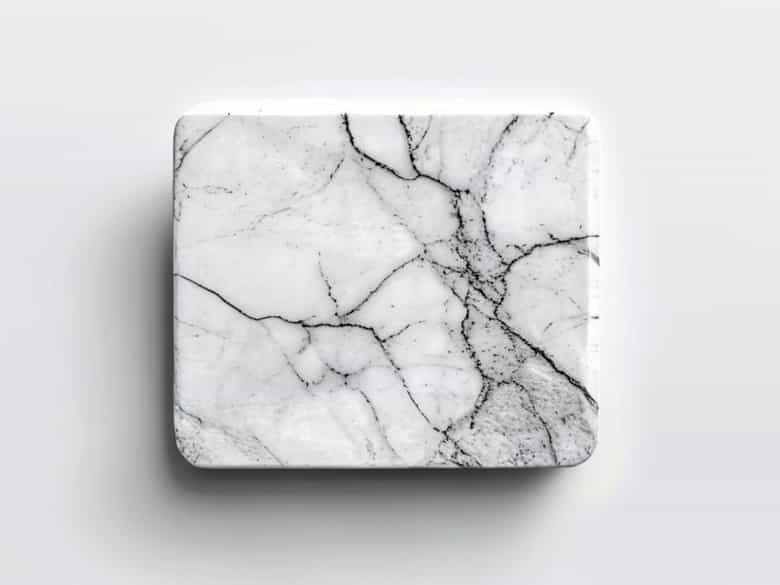
Limestone is one of the most common sedimentary rocks found on Earth, composed primarily of calcium carbonate. Over geological time, limestone can undergo a remarkable transformation into marble through the process of metamorphism. This change involves significant physical and chemical alterations due to heat, pressure, and the presence of chemically active fluids. Understanding how limestone changes to marble after metamorphism provides insight into the dynamic processes that shape the Earth’s crust and highlights the relationship between sedimentary and metamorphic rock types. This process not only affects the mineral composition and texture of the rock but also its appearance, durability, and uses in construction and art.
What is Limestone?
Limestone is a sedimentary rock formed mainly from the accumulation of biological debris such as shells, coral, and microscopic marine organisms. It is composed primarily of the mineral calcite (CaCO₃) and often contains impurities such as clay, sand, or iron compounds. Limestone forms in calm, shallow marine environments where the deposition of carbonate material occurs over long periods. The rock can vary in color, texture, and composition depending on its formation environment and the types of organisms that contributed to its sediment.
Properties of Limestone
Limestone is relatively soft, with a Mohs hardness of around 3, making it easy to carve and shape. It is susceptible to chemical weathering, particularly from acidic water, which reacts with the calcium carbonate to form soluble calcium bicarbonate. Despite its softness, limestone is an important rock used in construction, cement production, and as a raw material in various industrial processes. Its sedimentary origin makes it porous and often layered, features that distinguish it from the denser and more crystalline structure of marble after metamorphism.
The Process of Metamorphism
Metamorphism refers to the transformation of rocks under conditions of high temperature, high pressure, or chemically active fluids that alter their mineral composition and structure without melting them. When limestone is subjected to these conditions, typically in tectonically active regions such as mountain belts or subduction zones, it begins to recrystallize. The heat causes the calcite grains to grow larger, while the pressure compacts the rock and eliminates much of its original porosity. Chemically active fluids can facilitate the movement of ions, promoting the formation of new mineral structures.
Stages of Limestone to Marble Transformation
The transformation of limestone into marble occurs in several stages
- RecrystallizationCalcite crystals in limestone begin to recrystallize under heat and pressure, forming interlocking crystals that characterize marble.
- Reduction of impuritiesMinor minerals such as clay or organic matter may either recrystallize or be removed, leading to a more uniform mineral composition.
- Textural changesOriginal sedimentary layering disappears as the rock develops a denser, crystalline structure.
- Color variationThe presence of trace minerals can give marble distinctive colors, veining, or patterns, unlike the typically uniform appearance of limestone.
Factors Affecting Marble Formation
Several geological factors influence how effectively limestone transforms into marble
- TemperatureHigher temperatures accelerate recrystallization and crystal growth.
- PressureTectonic stress can compact the rock and induce foliation in some cases.
- Fluid presenceChemically active fluids can facilitate ion exchange, aiding in recrystallization and purifying the marble.
- Composition of original limestonePure limestone produces white marble, while impurities like iron, clay, or graphite contribute to colored marble variations.
Characteristics of Marble
After metamorphism, marble exhibits several distinctive properties that differentiate it from its limestone precursor. Marble is a dense, crystalline rock with interlocking calcite or dolomite crystals. It has a higher hardness, making it more resistant to erosion and weathering. Marble is also prized for its aesthetic qualities, with smooth textures, reflective surfaces, and the ability to develop beautiful veining patterns. These qualities make it ideal for construction, sculpture, and decorative purposes, highlighting the significant economic and cultural importance of the metamorphic process.
Uses of Marble
The transformation of limestone into marble increases its value and versatility. Some of the key uses include
- Architectural elements such as flooring, columns, and countertops
- Statues and sculptures due to its ease of polishing and workability
- Industrial applications, including crushed marble for construction and agriculture
- Decorative tiles and ornaments for interior design
Geological Significance
The formation of marble from limestone provides geologists with valuable insights into the history of the Earth. Metamorphic rocks like marble indicate regions that have experienced significant tectonic activity, high temperatures, and pressures. By studying the mineral composition, texture, and color variations in marble, scientists can reconstruct the conditions under which metamorphism occurred. This knowledge contributes to our understanding of mountain formation, plate tectonics, and the dynamic processes shaping the Earth’s crust over millions of years.
Environmental Considerations
The extraction and use of marble also have environmental implications. Quarrying marble can lead to landscape disruption, habitat loss, and dust or water pollution. Sustainable practices, including careful planning of quarries, recycling of marble waste, and minimizing environmental impact, are increasingly important in the modern marble industry. Understanding how limestone changes to marble not only informs geological knowledge but also emphasizes the importance of responsible resource management.
The transformation of limestone into marble after metamorphism is a fascinating geological process that illustrates the dynamic nature of the Earth’s crust. Starting as a sedimentary rock composed of calcium carbonate and biological material, limestone undergoes recrystallization under heat, pressure, and the influence of chemically active fluids. This process eliminates porosity, enhances crystal growth, and often produces aesthetically appealing patterns and colors. The resulting marble is harder, denser, and more versatile than its precursor, finding applications in architecture, sculpture, and industry. Studying this metamorphic transformation provides insight into geological processes, tectonic activity, and the economic and cultural importance of natural resources, highlighting the profound changes that rocks can undergo over millions of years.