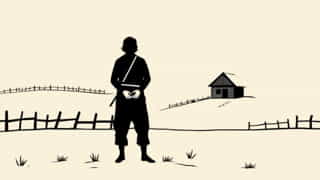
Life under Russian serfdom was defined by hardship, dependency, and a deeply entrenched social hierarchy that shaped the everyday experiences of millions of people. For centuries, the serf system tied peasants to the land and their landlords, creating a social order where the majority labored under harsh conditions with little hope for change. This historical period is essential for understanding the evolution of Russian society, governance, and class conflict. Examining the realities of Russian serfdom provides insight into how inequality and systemic control influenced not only the economy but also the cultural psyche of the Russian Empire.
Origins and Legal Structure of Russian Serfdom
Serfdom in Russia gradually developed from earlier forms of feudal dependency, becoming formally institutionalized in the 17th century. Unlike Western Europe, where serfdom began to decline during the Renaissance, it intensified in Russia as a method of controlling a vast and dispersed population.
Russian serfs were not technically slaves, but their freedoms were extremely limited. By law, they could not leave the land without permission and owed various forms of labor or rent to their landlords. The legal system heavily favored landowners, giving them the authority to discipline, relocate, or even sell serfs, often separating families in the process.
Daily Life and Duties of Serfs
Life for serfs was overwhelmingly rural and agricultural. Most lived in small wooden huts in villages on noble estates, working long hours in the fields. Their days were consumed with plowing, planting, harvesting, and maintaining livestock, often while also meeting the labor demands of the landowner’s manor.
Types of Obligations
- Barshchina– compulsory labor on the landlord’s land for several days a week.
- Obrok– payment of rent in the form of goods, money, or services.
- Military conscription– serfs could be drafted into the army for long periods, sometimes for life.
These duties left little time for tending to personal needs or family life. Periods of bad harvest often led to starvation, disease, and increased vulnerability to exploitation. Access to education or healthcare was virtually nonexistent, keeping serfs dependent and impoverished.
The Role of Landlords and Nobility
Landlords, or pomeshchiks, held significant control over the lives of their serfs. As members of the nobility, they enjoyed privileges such as tax exemptions and access to government positions, while serfs bore the burdens of manual labor and taxation.
The relationship between landlord and serf was paternalistic at best and abusive at worst. While some landlords provided minimal protection or aid during crises, many were notorious for harsh treatment, heavy demands, and corporal punishment. Serfs had virtually no recourse against abuse.
Religion and Community Life
Religion played a central role in the lives of Russian serfs. The Orthodox Church offered spiritual solace and a sense of identity. Church holidays provided rare occasions for rest and communal gathering. However, the Church often supported the serf system, preaching obedience and reinforcing the divinely ordained social order.
Despite harsh conditions, serf communities maintained a degree of cohesion and mutual support. Family units and village collectives worked together to survive, sharing food and labor. Folklore, music, and oral traditions also served as vital forms of cultural expression and resistance.
Resistance and Rebellion
Although oppressed, Russian serfs were not passive. Throughout the centuries, there were multiple revolts and uprisings aimed at challenging the feudal system. The most famous of these was the Pugachev Rebellion (1773-1775), led by Yemelyan Pugachev, who claimed to be the deposed Tsar Peter III. The uprising drew tens of thousands of discontented serfs and Cossacks.
While these rebellions were often brutally suppressed, they highlighted the deep resentment and volatility within the serf population. Smaller forms of resistance such as work slowdowns, feigned illness, or sabotage were also common.
Economic Impacts of Serfdom
Russian serfdom significantly influenced the country’s economic development. By tying labor to the land and limiting mobility, it stifled innovation and productivity. The nobility had little incentive to modernize agriculture or industrialize, relying instead on the forced labor of serfs.
As Western Europe advanced through industrial revolutions, Russia lagged behind, burdened by its antiquated social structure. Critics of the system argued that serfdom was a major obstacle to national progress and modernization.
Abolition of Serfdom
The serf system persisted until the mid-19th century, despite growing dissatisfaction. It was finally abolished in 1861 by Tsar Alexander II in what was known as the Emancipation Reform. Over 23 million serfs were granted freedom, allowed to own property, and received limited civil rights.
However, the transition was far from smooth. Many former serfs remained economically dependent due to high redemption payments and poor-quality land allocations. The reform did not erase centuries of inequality but marked the beginning of a new social struggle in Russia.
Legacy of Russian Serfdom
The legacy of serfdom remains a defining chapter in Russian history. It left deep scars on the national consciousness, influencing social relations, cultural narratives, and political movements well into the 20th century. The echoes of serfdom could be seen in the revolutionary fervor that eventually led to the collapse of the Tsarist regime.
Writers such as Tolstoy and Dostoevsky explored themes of guilt, redemption, and moral decay rooted in the experiences of both serfs and nobility. Even today, discussions about land ownership, class division, and authority in Russia often reference the lingering shadows of its feudal past.
Understanding life under Russian serfdom sheds light on the complexities of oppression, resilience, and societal transformation. It reveals how a system designed to maintain control ultimately sowed the seeds of unrest and reform. For those studying Russian history or the evolution of class systems, the serf experience remains a critical subject, filled with lessons about power, endurance, and human dignity.