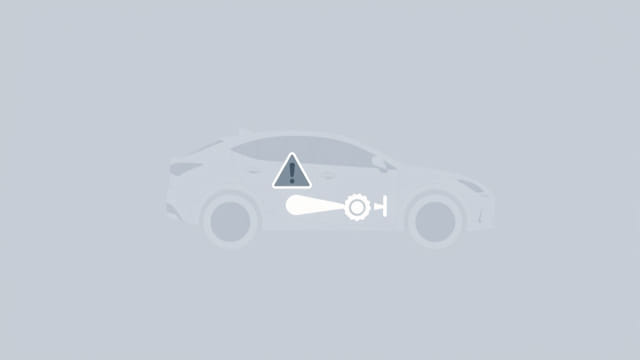
When a Lexus vehicle shows an AWD System Malfunction warning on the dashboard, it can be a source of concern for drivers who rely on the car’s All-Wheel Drive functionality. This alert indicates that something is wrong with the system responsible for distributing power between the front and rear wheels, which is critical for maintaining traction, especially in poor road conditions. Understanding what causes this warning, how to address it, and how to prevent it in the future is important for ensuring your Lexus continues to operate safely and efficiently.
Understanding the Lexus AWD System
Lexus vehicles equipped with AWD (All-Wheel Drive) technology are designed to automatically deliver power to all four wheels when necessary. This enhances traction, especially on slippery or uneven surfaces, and contributes to vehicle stability. The system typically includes sensors, an electronic control unit (ECU), transfer case, and drivetrain components that communicate continuously to adjust torque distribution as needed.
AWD systems in Lexus models such as the RX, NX, GX, and LX are engineered for both luxury and performance. However, like any complex mechanical system, malfunctions can occur due to wear, damage, or electronic issues.
Common Causes of Lexus AWD System Malfunction
Several issues can trigger the AWD system malfunction warning. Identifying the root cause often requires a diagnostic scan, but the most frequent causes include:
1. Faulty Wheel Speed Sensors
Wheel speed sensors play a vital role in the AWD system by monitoring the rotational speed of each wheel. If one or more sensors fail, the system may not function correctly and will trigger a warning light.
2. Electrical or Wiring Problems
Corroded connectors, damaged wiring harnesses, or loose connections can interrupt the signals between AWD components. This leads to communication failures within the system, causing the malfunction warning to appear.
3. Malfunctioning Transfer Case
The transfer case is responsible for transferring power between the front and rear axles. If it fails or the fluid level is low or dirty, it can cause the system to perform improperly and generate error messages.
4. Low or Contaminated Differential or Transmission Fluid
Fluids are essential for lubricating and cooling the AWD components. If the differential or transmission fluid is degraded or leaking, it can cause the AWD system to overheat or seize, triggering a malfunction alert.
5. Software Glitches or ECU Issues
Sometimes, a glitch in the vehicle’s electronic control unit (ECU) or outdated software can falsely indicate an AWD fault. A reset or software update from a Lexus dealer may be necessary.
6. Improper Tire Size or Uneven Tire Wear
The AWD system depends on even wheel rotation. If tires are mismatched in size or severely worn at different rates, it may confuse the AWD sensors and cause the system to shut down to prevent damage.
Symptoms Accompanying AWD System Malfunction
In addition to the warning light, drivers may notice several performance changes when the AWD system malfunctions:
- Reduced traction or slippage during acceleration
- Grinding or unusual noises from under the vehicle
- Noticeable decrease in handling on wet or icy roads
- Sudden shift to front-wheel or rear-wheel drive mode
If any of these symptoms appear along with the dashboard warning, immediate inspection is recommended to prevent further damage.
How to Diagnose the AWD System Malfunction
The first step in diagnosing the problem is to use an OBD-II (On-Board Diagnostics) scanner to retrieve fault codes. These diagnostic trouble codes (DTCs) point to specific components or areas within the AWD system that require attention.
If you don’t have access to a scanner, most Lexus dealerships and certified repair shops can perform this scan quickly. It’s important not to ignore the issue, even if the vehicle appears to be running normally, as continued driving with an AWD fault may cause long-term damage.
Steps to Resolve Lexus AWD System Malfunction
1. Perform a System Reset
In some cases, especially those caused by temporary software glitches, turning the vehicle off and restarting it may clear the warning. Disconnecting the battery for a few minutes can also reset the ECU, but this is a temporary solution and not a fix for underlying issues.
2. Replace Faulty Sensors
If a wheel speed sensor or similar component is faulty, it should be replaced. This is a relatively simple repair and often restores the system to normal operation.
3. Check and Refill Fluids
Inspect transmission, differential, and transfer case fluid levels. Top off or replace them if they are low, dirty, or burnt. Using the correct fluid type recommended by Lexus is crucial.
4. Address Wiring or Connector Issues
Inspect wiring harnesses, connectors, and fuse boxes for damage or corrosion. Repairs may involve soldering broken wires, replacing connectors, or cleaning terminals.
5. Software Update or ECU Reprogramming
Visit a Lexus dealership to check if there are any technical service bulletins (TSBs) or software updates available for your model. Reprogramming the ECU can often solve software-related malfunctions.
6. Tire Maintenance
Ensure all four tires are the same size, brand, and tread depth. Rotate tires regularly and replace them in sets to prevent uneven wear that can confuse the AWD sensors.
Preventive Measures for Avoiding AWD Malfunctions
Prevention is always better than repair. Here are some proactive steps to keep your Lexus AWD system in top condition:
- Schedule regular maintenance and inspections
- Use genuine Lexus parts and fluids
- Rotate tires every 5,000 to 7,000 miles
- Replace all tires at the same time
- Keep the undercarriage clean to avoid corrosion
- Avoid aggressive off-roading unless the model is designed for it
When to Seek Professional Help
If the AWD System Malfunction warning remains after basic checks or resets, it’s best to visit a qualified Lexus technician. Professional diagnostic tools can access manufacturer-specific codes and pinpoint the issue more accurately than general OBD-II scanners.
Delaying service may lead to more expensive repairs down the road, especially if drivetrain components become damaged due to lack of lubrication or system stress.
The Lexus AWD system is designed to enhance driving performance and safety, but like any sophisticated system, it is prone to occasional issues. When the AWD System Malfunction warning appears, it’s important not to ignore it. By understanding the potential causes, symptoms, and appropriate actions, Lexus owners can quickly address the issue and restore full vehicle functionality. Proper maintenance, prompt diagnosis, and using qualified repair services ensure that the all-wheel-drive system remains reliable for years to come.