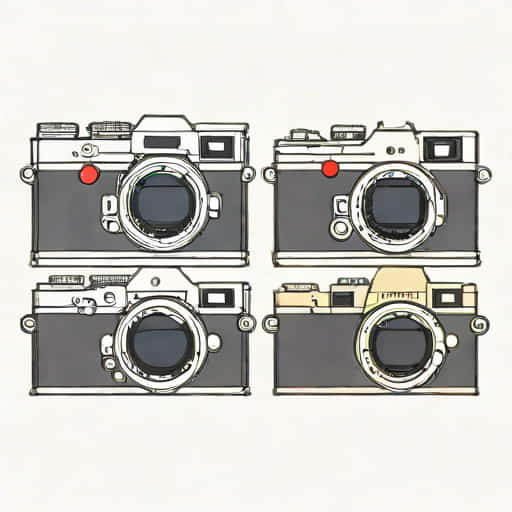
In the world of classic 35mm rangefinder cameras, two names often come up for comparison among enthusiasts and collectors the Leica CL and the Minolta CLE. Both cameras were introduced in the 1970s and share certain similarities in design and functionality, yet they cater to slightly different preferences and shooting styles. The Leica CL was a collaboration between Leica and Minolta, intended to offer a compact and versatile camera for Leica enthusiasts, while the Minolta CLE was Minolta’s own iteration, incorporating advanced features such as aperture priority auto-exposure. Understanding the differences, strengths, and limitations of these two cameras provides insight into the evolution of rangefinder technology and the nuances of 35mm photography during this era.
Design and Build
The Leica CL and Minolta CLE share a compact and minimalist design, but subtle differences set them apart in terms of ergonomics and construction. The Leica CL carries Leica’s signature understated elegance, with a metal body that is lightweight yet durable. Its design is focused on simplicity and classic Leica aesthetics, appealing to photographers who value a traditional shooting experience. The Minolta CLE, on the other hand, incorporates more modern design elements for the time, such as a slightly more pronounced grip and streamlined controls. While both cameras are pocketable and portable, the CLE’s design emphasizes ease of use for photographers who appreciate quick access to essential functions.
Materials and Durability
- Leica CL All-metal construction, renowned for its longevity and classic feel.
- Minolta CLE Metal and light alloy body with ergonomic enhancements.
- Both cameras withstand typical wear and tear well, with Leica often praised for a more robust long-term build.
Viewfinder and Rangefinder
Rangefinder cameras rely on precise viewfinder and focusing mechanisms, and here the Leica CL and Minolta CLE show some differences. The Leica CL features a bright, clear viewfinder with framelines for multiple focal lengths. Its rangefinder patch is sharp, allowing accurate manual focusing. However, due to the CL’s smaller size, some users find the viewfinder slightly cramped compared to larger Leica models. The Minolta CLE’s viewfinder offers a wider field and includes parallax-corrected framelines, making it easier to compose shots at varying distances. Additionally, the CLE’s viewfinder is known for its clarity and bright display of exposure information, thanks to the inclusion of aperture-priority indicators.
Focusing Experience
Both cameras provide excellent rangefinder focusing, but the user experience differs. The Leica CL’s rangefinder is precise and traditional, appealing to photographers who enjoy the tactile process of focusing manually. The Minolta CLE, while also precise, integrates focus and exposure feedback more prominently, enhancing convenience during fast-paced shooting scenarios.
Exposure Control and Metering
Exposure control is where the Leica CL and Minolta CLE diverge most significantly. The Leica CL operates primarily in manual exposure mode, with a built-in light meter that provides exposure guidance but requires the photographer to adjust aperture and shutter speed manually. This approach maintains a classic photography experience and allows full creative control. In contrast, the Minolta CLE introduced aperture-priority automatic exposure, which automatically selects shutter speed based on the chosen aperture. This feature provides faster shooting and reduces the likelihood of incorrect exposures, appealing to photographers who desire a balance between manual control and automation.
Light Meter Accuracy
- Leica CL CdS meter provides reliable readings in most conditions but requires user interpretation.
- Minolta CLE Advanced metering system offers more consistent automatic exposure results, especially in changing light.
- Both cameras allow for manual overrides, giving photographers flexibility in exposure decisions.
Lenses and Compatibility
Both cameras use the Leica M-mount, making them compatible with a wide range of Leica lenses. The Leica CL was designed to work seamlessly with Leica’s compact lenses, such as the 40mm Summicron. The Minolta CLE also supports M-mount lenses but features enhanced coupling for aperture-priority metering, ensuring compatibility with automatic exposure functionality. Photographers can thus take advantage of the extensive lens selection, though the experience may vary slightly depending on the camera body and its metering capabilities.
Popular Lens Choices
- Leica CL 40mm Summicron, 90mm Elmarit, and other compact M-mount lenses.
- Minolta CLE Same M-mount lenses as CL, with aperture-priority integration for better automation.
Performance in Real-World Shooting
When comparing the Leica CL and Minolta CLE in actual photography situations, both cameras excel in different areas. The Leica CL offers a pure rangefinder experience, ideal for photographers who enjoy deliberate composition and manual control. Its compact size and unobtrusive design make it perfect for street photography, travel, and casual shooting. The Minolta CLE, with its aperture-priority mode and bright viewfinder, is particularly suited for photographers who require speed and efficiency without sacrificing precision. Low-light performance is slightly enhanced in the CLE due to its automated exposure system, making it more forgiving in challenging lighting conditions.
Handling and User Experience
- Leica CL Appeals to traditionalists; manual exposure encourages thoughtful shooting.
- Minolta CLE More user-friendly for fast-paced or automated shooting scenarios.
- Both cameras offer tactile shutter release, solid film advance, and responsive rangefinder focusing.
Collectibility and Value
Both the Leica CL and Minolta CLE have become collectible items in the photography market. The Leica CL, being a collaborative effort with Leica branding, often commands higher prices among collectors, particularly models in excellent condition with original accessories. The Minolta CLE, while less expensive, is highly sought after due to its innovative features and reputation for reliability. Collectors and enthusiasts often choose based on personal preference, intended use, and the desire to own a piece of 1970s rangefinder history.
Market Trends
- Leica CL Higher resale value due to brand prestige and historical significance.
- Minolta CLE Increasingly collectible due to unique features and strong performance.
- Both cameras are sought after in vintage photography communities and auctions.
The Leica CL and Minolta CLE represent two sides of the 1970s rangefinder camera experience. The Leica CL offers a classic, fully manual approach with timeless design and build quality, ideal for photographers who value traditional rangefinder shooting. The Minolta CLE introduces modern conveniences such as aperture-priority auto-exposure, making it an excellent choice for photographers seeking speed and ease of use without sacrificing precision. Both cameras share lens compatibility, compact design, and exceptional optics, yet each caters to slightly different shooting philosophies. Whether prioritizing traditional manual control or embracing early automation, both the Leica CL and Minolta CLE remain iconic, cherished cameras that continue to inspire photographers and collectors around the world.