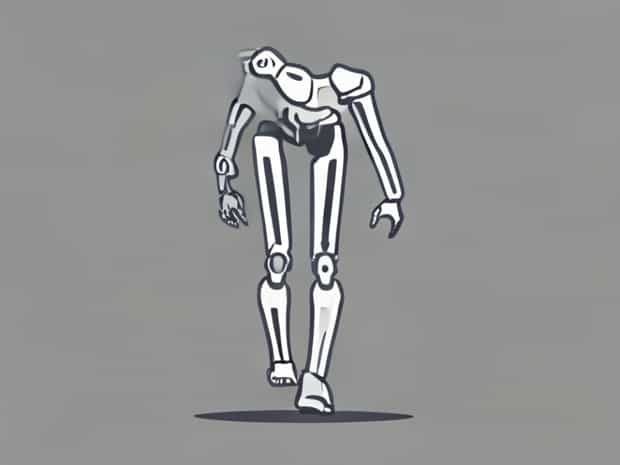
Leg exoskeletons have emerged as a groundbreaking innovation in medical technology, rehabilitation, and mobility enhancement. Designed to support and augment human movement, these wearable devices are increasingly accessible for sale to a wide range of users, from individuals recovering from injuries to industrial workers seeking to reduce strain and fatigue. Leg exoskeletons provide mechanical assistance that enhances walking, standing, and lifting capabilities while promoting proper posture and reducing the risk of secondary injuries. Their growing presence in healthcare, sports, and occupational settings has sparked interest among consumers and professionals looking for reliable solutions to mobility challenges.
Understanding Leg Exoskeletons
Leg exoskeletons are wearable robotic devices that fit around the lower body, typically covering the hips, thighs, knees, and sometimes the feet. These devices combine mechanical support, sensors, and motorized components to assist natural leg movements. Some exoskeletons are passive, relying on springs and rigid structures to redistribute weight and improve posture, while active exoskeletons use motors and actuators to provide powered assistance. The primary goal of these systems is to improve mobility, reduce fatigue, and enhance the quality of life for users who have limited leg strength or endurance.
Types of Leg Exoskeletons for Sale
Leg exoskeletons available for sale vary based on design, purpose, and functionality. Understanding these types can help potential buyers select the right device for their needs
- Medical Rehabilitation ExoskeletonsDesigned for patients recovering from spinal cord injuries, strokes, or neurological disorders, these exoskeletons assist with walking therapy and muscle re-education.
- Industrial ExoskeletonsUsed in workplaces such as factories and warehouses, these devices reduce physical strain during heavy lifting, prolonged standing, or repetitive tasks.
- Military and Tactical ExoskeletonsEngineered to enhance soldiers’ endurance and load-carrying capacity, these models are lightweight and designed for extended use.
- Personal Mobility ExoskeletonsConsumer-oriented models focus on everyday mobility, enabling users with physical limitations to move more freely in daily life.
Benefits of Leg Exoskeletons
The advantages of owning a leg exoskeleton extend across health, lifestyle, and productivity domains. Whether for medical purposes or daily support, users can experience substantial improvements in movement efficiency and comfort.
Health and Rehabilitation
- Improves muscle strength and joint stability during recovery from injury.
- Promotes correct gait patterns, reducing the risk of long-term complications.
- Encourages active participation in physical therapy sessions, enhancing outcomes.
Enhanced Mobility and Independence
- Supports standing, walking, and stair navigation for individuals with limited leg function.
- Reduces reliance on wheelchairs or mobility aids, providing a greater sense of freedom.
- Enables longer walking distances and more active daily living for users of all ages.
Workplace Efficiency
- Minimizes fatigue and strain during physically demanding tasks.
- Supports lifting and repetitive movements, decreasing the risk of musculoskeletal injuries.
- Improves productivity in industrial and construction environments by enabling workers to maintain higher energy levels.
Key Features to Consider
When purchasing a leg exoskeleton for sale, it is important to evaluate several key features to ensure the device meets the user’s requirements and provides the intended benefits.
Adjustable Support and Fit
Most leg exoskeletons feature adjustable straps and modular components to fit different body sizes and shapes. A proper fit ensures comfort, safety, and optimal assistance during movement.
Power and Control Options
Active exoskeletons rely on batteries, motors, and sensors to provide motion assistance. The duration of battery life, responsiveness of actuators, and ease of control can significantly impact user experience. Some models offer customizable assistance levels to match individual strength and rehabilitation needs.
Weight and Portability
Lightweight designs reduce fatigue and make the device more suitable for daily use. Some exoskeletons are foldable or detachable for easier transport and storage, an important consideration for those who travel or use the device in multiple settings.
Durability and Safety
High-quality materials and robust construction are essential to withstand repeated use. Safety features such as anti-slip mechanisms, emergency stop functions, and secure fastening systems are critical to prevent accidents and injuries.
Applications of Leg Exoskeletons
Leg exoskeletons are utilized across a range of scenarios, each benefiting from the enhanced mobility, strength, and endurance that these devices provide.
Medical and Therapeutic Use
Hospitals and rehabilitation centers often use exoskeletons to assist patients recovering from stroke, spinal cord injuries, or lower limb fractures. Guided walking exercises help rebuild strength, improve coordination, and accelerate recovery timelines. Therapists can adjust assistance levels to match each patient’s progress, ensuring personalized treatment.
Industrial and Labor Support
Workers in manufacturing, logistics, and construction face high physical demands. Industrial leg exoskeletons help reduce strain on knees, hips, and lower back, preventing injuries and enhancing productivity. Some models allow customization of support for specific tasks, such as lifting heavy objects or prolonged standing.
Everyday Mobility Enhancement
For individuals with age-related mobility limitations or chronic conditions, leg exoskeletons provide increased independence. By assisting walking and balance, these devices make daily activities like shopping, walking in the park, or navigating stairs more achievable and less tiring.
Considerations Before Buying
Purchasing a leg exoskeleton requires careful evaluation of individual needs, budget, and technical specifications. Buyers should consider
- Purpose of use medical, industrial, or personal mobility.
- Comfort and fit for long-term wear.
- Battery life and ease of recharging for powered models.
- Availability of warranty, maintenance, and technical support.
- Compliance with safety and medical regulations, if applicable.
Price and Investment
Leg exoskeletons vary in price, from affordable passive models to advanced powered systems. While initial costs can be significant, the long-term benefits in terms of mobility, reduced injury risk, and improved quality of life often justify the investment. For medical applications, some insurance plans or healthcare programs may offer partial coverage.
Future of Leg Exoskeletons
Advancements in robotics, artificial intelligence, and wearable technology continue to expand the potential of leg exoskeletons. Emerging models are becoming lighter, more responsive, and more accessible for everyday consumers. Integration with sensors and smart devices allows real-time adjustments to walking patterns and personalized assistance, promising even greater benefits for rehabilitation, workplace efficiency, and mobility independence.
Leg exoskeletons for sale offer a transformative solution for individuals seeking enhanced mobility, strength, and support. From medical rehabilitation to workplace assistance and everyday mobility, these devices address a variety of challenges with innovative design and technology. When selecting a leg exoskeleton, evaluating fit, comfort, functionality, and safety ensures the user experiences the maximum benefits. As technology continues to evolve, leg exoskeletons are likely to become increasingly versatile and affordable, opening new opportunities for improved quality of life and expanded mobility for users across all age groups and professional backgrounds.