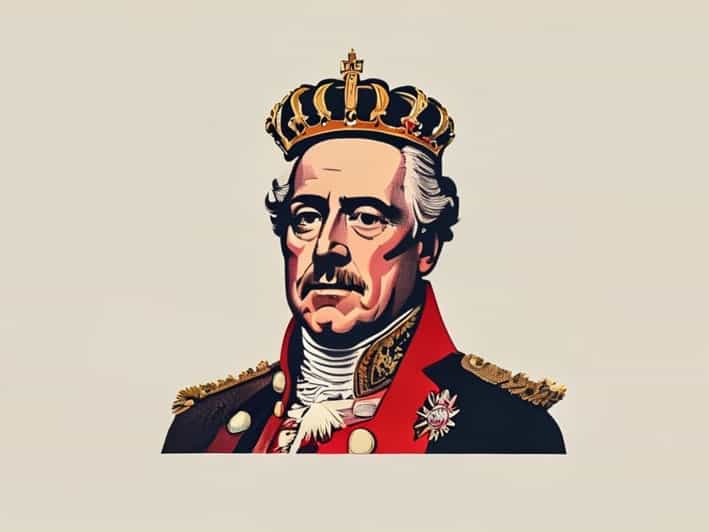
During the American Revolution, the King of England played a central role in shaping the events that led to the independence of the thirteen American colonies. The monarch at the time was King George III, who reigned from 1760 to 1820. His policies, decisions, and responses to colonial unrest were significant factors in the escalation of tensions between Britain and its American colonies. Understanding the role of King George III provides insight into the political, social, and military dynamics that defined the American Revolution and the broader context of British imperial governance during the 18th century.
Early Reign of King George III
King George III ascended to the throne in 1760 following the death of his grandfather, King George II. At the time, he was a young monarch with limited experience, but he was determined to assert royal authority and influence government policy. Early in his reign, George III worked to strengthen the monarchy’s role in Parliament and to maintain control over Britain’s expanding empire, which included territories in North America, the Caribbean, and Asia.
Political Context in Britain
George III’s early reign coincided with the aftermath of the Seven Years’ War, a global conflict in which Britain had gained significant territories but also accumulated massive national debt. The government sought new sources of revenue, turning to the American colonies to help cover war expenses. This created a political environment in which the king’s influence over parliamentary decisions directly impacted colonial policies and taxation measures.
King George III and Colonial Policies
Several policies during George III’s reign contributed to growing unrest in the American colonies. The king supported parliamentary measures designed to raise revenue and assert British authority, including the Stamp Act of 1765 and the Townshend Acts of 1767. These laws imposed taxes on paper, glass, tea, and other goods, sparking widespread protest and resistance among colonists who argued that they should not be taxed without representation in Parliament.
The Stamp Act Crisis
The Stamp Act required that many printed materials in the colonies, such as legal documents, newspapers, and playing cards, carry a tax stamp purchased from British authorities. George III endorsed this act as a means of addressing Britain’s financial needs, but colonial leaders saw it as a violation of their rights. The resulting protests, boycotts, and petitions reflected the growing tension between the colonies and the Crown, setting the stage for future revolutionary activity.
Resistance and Repercussions
Colonial opposition to British taxation and governance included organized protests, formation of groups like the Sons of Liberty, and boycotts of British goods. George III viewed these acts as challenges to his authority, and his administration responded with increased enforcement measures, including the deployment of troops to key colonial cities. These actions heightened tensions, contributing to a cycle of resistance and repression that ultimately led to armed conflict.
King George III During the Revolutionary War
When open conflict began with battles at Lexington and Concord in 1775, King George III took an active role in shaping Britain’s military strategy and policies toward the colonies. He rejected proposals for reconciliation and instead declared the colonies to be in a state of rebellion, framing the conflict as a matter of maintaining royal authority and the integrity of the British Empire.
Proclamation of Rebellion
In August 1775, George III issued the Proclamation of Rebellion, which formally declared that the American colonies were in rebellion and authorized military action to suppress the uprising. This proclamation made it clear that the king viewed the conflict as a direct threat to his authority and the unity of the empire, and it strengthened the resolve of both British forces and loyalists while solidifying the revolutionary cause among American patriots.
Role in Military Strategy
Although Parliament directed military funding and strategy, King George III remained closely involved in key decisions, including the appointment of commanders such as General William Howe and General Henry Clinton. The king’s insistence on aggressive military action reflected his belief that the rebellion could be crushed and the colonies brought back under British control. However, logistical challenges, distance, and the resolve of American forces made victory difficult to achieve.
Loyalists and Supporters of the Crown
During the American Revolution, King George III relied on loyalists-colonists who remained faithful to Britain-to support military efforts and maintain control in certain regions. These loyalists provided intelligence, supplies, and soldiers for the British army, and their presence highlighted the division within the colonies between those supporting independence and those maintaining allegiance to the Crown.
Impact on Public Perception
The king’s support of loyalists and his refusal to compromise with colonial leaders contributed to negative perceptions among the revolutionary population. Pamphlets, newspapers, and speeches depicted George III as a symbol of tyranny, fueling revolutionary sentiment and unifying disparate colonial factions around the cause of independence. This image of the king became central to American revolutionary rhetoric and the justification for breaking ties with Britain.
Key Battles and the King’s Influence
Several significant battles occurred under George III’s reign that shaped the course of the American Revolution. The British victories at New York and Brandywine demonstrated initial strategic advantages, while defeats at Saratoga and the eventual surrender at Yorktown reflected the challenges of fighting a distant rebellion. Throughout these campaigns, the king’s directives, appointments, and policies directly influenced military operations, allocation of resources, and diplomatic efforts to maintain colonial control.
Yorktown and the End of the War
The surrender of British forces at Yorktown in 1781 effectively ended major hostilities in the American Revolution. Although the king continued to support further military action, the combination of French involvement, logistical difficulties, and the resilience of American forces made victory unattainable. The eventual negotiation of the Treaty of Paris in 1783 formally recognized American independence, marking the end of Britain’s direct control over the thirteen colonies during George III’s reign.
Legacy of King George III
King George III’s reign during the American Revolution left a complex legacy. While he sought to maintain royal authority and the unity of the British Empire, his policies and decisions contributed to the loss of the American colonies. Historically, he has been portrayed in varying lights-as a determined monarch trying to uphold the empire, and simultaneously as a symbol of resistance to colonial self-determination. His reign also demonstrated the challenges monarchs faced in balancing imperial interests with emerging demands for representation and local governance.
Historical Perspective
- George III reinforced the principle of royal authority and imperial control.
- His policies unintentionally fueled revolutionary sentiment in the colonies.
- He relied on loyalists and military campaigns to enforce Britain’s interests.
- His reign highlighted the difficulties of governing distant territories with growing aspirations for independence.
- The American Revolution shaped the perception of monarchy in both Britain and the newly formed United States.
King George III was the monarch of England during the American Revolution and played a central role in the events that led to the independence of the thirteen American colonies. Through his support of taxation policies, military campaigns, and loyalist efforts, he sought to maintain British control over the colonies. However, the combination of colonial resistance, logistical challenges, and international intervention led to Britain’s ultimate defeat. Understanding King George III’s influence provides essential context for studying the political, military, and social dynamics of the American Revolution and highlights the significant impact of leadership during times of historical upheaval.