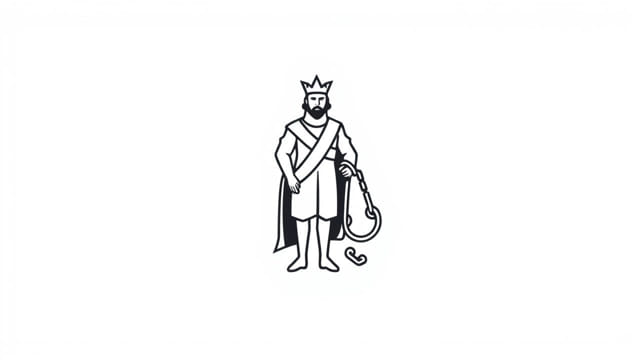
In the late 18th century, Europe witnessed a wave of reforms inspired by Enlightenment ideals. Among the most progressive monarchs of the time was Joseph II, the Holy Roman Emperor and ruler of the Habsburg dominions. One of his most remarkable and controversial actions was the abolition of serfdom. This move not only reshaped the structure of feudal society but also challenged centuries-old traditions across his empire. The abolition of serfdom under Joseph II marked a significant shift in the relationship between rulers, nobles, and peasants, with long-lasting social and political consequences.
Background: Joseph II and the Habsburg Empire
Enlightened Despotism
Joseph II ruled from 1765 as co-regent with his mother, Maria Theresa, and became sole ruler in 1780 after her death. As an advocate of enlightened absolutism, Joseph believed in rational governance, centralized administration, and reforms based on reason rather than tradition. He sought to modernize his empire by reducing the power of the nobility and the Catholic Church while increasing the efficiency of the state apparatus.
Feudal System in the Habsburg Lands
Before Joseph II’s reforms, most of Central and Eastern Europe operated under a strict feudal system. Serfs were legally tied to the land and to their lords. They were required to work for the landowners, pay various dues, and had limited legal rights. Mobility, education, and property ownership were heavily restricted for peasants under this system.
Goals Behind the Abolition of Serfdom
Economic Efficiency
Joseph II believed that freeing the serfs would lead to a more productive economy. Free laborers, he argued, would have greater motivation to improve agricultural output if they could benefit directly from their work. Furthermore, he envisioned a society where taxation was more evenly distributed, rather than heavily skewed in favor of the aristocracy.
Centralized Control
The emperor also aimed to weaken the feudal lords, who had significant power over the rural population. By diminishing their control over the peasants, Joseph could strengthen central authority and unify the empire under his rational, state-led policies.
The 1781 Edict: Abolition in Practice
Declaration of Personal Freedom
On November 1, 1781, Joseph II issued his first edict on the abolition of serfdom in the Habsburg territories. This decree applied initially to Bohemia and was extended in the following years to other regions of the empire.
- Serfs were granted personal freedom and were no longer bound to the land.
- They gained the right to marry without their lord’s consent.
- They could pursue education and vocational training.
- They were allowed to move from place to place freely.
Limitations and Resistance
While the edict abolished the legal institution of serfdom, it did not completely eliminate the feudal obligations of peasants. Many were still required to pay dues and perform labor services, although in theory they had more autonomy. The nobility strongly resisted these changes, fearing the loss of their economic base and traditional privileges. In some regions, the reforms were ignored or poorly enforced.
Peasant Reaction and Social Impact
Mixed Responses
Peasant reactions to the abolition of serfdom were mixed. Some embraced the newfound freedom and took advantage of the opportunities for education and improved living standards. Others were skeptical or unaware of the changes due to poor communication and continued pressure from landowners.
Long-Term Transformation
Despite its limitations, the edict laid the groundwork for further reforms in the 19th century. It disrupted the traditional social hierarchy and introduced a new sense of individual rights among the rural population. Over time, the concept of hereditary bondage disappeared from most parts of the empire, influencing similar reforms across Europe.
Legacy of Joseph II’s Reforms
Reversal After His Death
Joseph II died in 1790, just nine years after issuing the edict. His successor, Leopold II, reversed many of his radical reforms due to political pressure and unrest. However, the abolition of serfdom was not entirely undone. The ideas behind it freedom, rational governance, and equality continued to shape public discourse and inspired future liberal movements.
Influence on Later Abolition Movements
Joseph II’s actions set a precedent for similar reforms in Prussia, Russia, and other parts of Europe. Even though serfdom persisted in some regions into the mid-19th century, the Habsburg example proved that such entrenched systems could be dismantled through legislative action.
Challenges of Reforming a Feudal Society
Noble Opposition
The nobility saw the abolition of serfdom as a direct threat to their authority and economic stability. They used their influence in local administration to block or dilute reforms. In some areas, lords even falsified records or intimidated peasants to keep them under control.
Administrative Hurdles
The implementation of the reforms required a functioning bureaucracy and consistent legal enforcement something that was difficult to achieve across the vast and diverse Habsburg territories. Cultural differences, language barriers, and regional loyalties complicated efforts to standardize policy.
Peasant Dependency
Many peasants lacked the education or resources to fully take advantage of their new freedoms. For generations, they had depended on feudal structures for their livelihood, and adapting to a new system was not always easy. Some found themselves in debt or exploitation under new forms of tenancy or wage labor.
Joseph II’s abolition of serfdom was a bold and progressive step in the history of European governance. Rooted in Enlightenment ideals and driven by a desire to modernize society, the edict challenged centuries of tradition and privilege. While it faced significant resistance and was limited in its immediate effectiveness, its symbolic and practical importance cannot be overstated. The act of freeing millions of people from legal bondage helped pave the way for broader social transformation and inspired reformers across the continent. In the history of serfdom and human rights, Joseph II remains a key figure whose vision, though not fully realized in his lifetime, left a lasting impact on the fabric of European society.