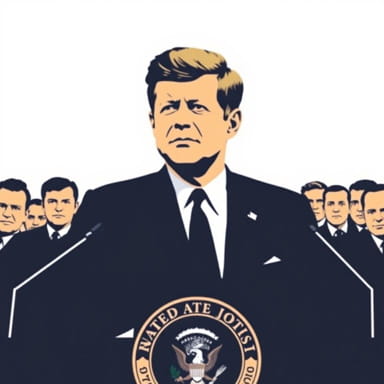
John F. Kennedy, known widely for his charismatic presidency and iconic leadership during the early 1960s, had a congressional career that many historians describe as lackluster or unremarkable. Before becoming the 35th President of the United States, JFK served in both the House of Representatives and the Senate, but his time in Congress did not immediately showcase the dynamic political force he would later become. Examining his congressional years provides insight into how his early political experiences shaped his future leadership and the public perception of his capabilities during that period.
Early Congressional Career in the House of Representatives
Entry into Politics
John F. Kennedy entered the political arena by winning a seat in the U.S. House of Representatives in 1946, representing Massachusetts’s 11th congressional district. His election was influenced by his prominent family background and war hero status, yet his legislative achievements during his six years in the House were limited.
Limited Legislative Impact
During his time in the House from 1947 to 1953, JFK was often criticized for a lack of significant legislative accomplishments. While he participated in committees and voted on key issues, there were few bills or initiatives that he sponsored or championed with lasting impact.
- Most of his work was conventional and did not distinguish him from many other junior members of Congress.
- His focus was often on constituency services rather than bold policy-making.
- JFK’s speeches and public appearances during this period garnered some attention, but they did not translate into substantial political capital.
Transition to the Senate and Continued Challenges
Senate Campaign and Victory
In 1952, Kennedy ran for the U.S. Senate and won, defeating incumbent Henry Cabot Lodge Jr. This victory was an important step for JFK, providing a larger platform and national exposure. However, his initial years in the Senate continued to be marked by a moderate and cautious approach.
Senate Record
JFK’s Senate tenure from 1953 to 1960 showed some improvement in his legislative involvement but still lacked dramatic breakthroughs.
- He served on important committees, including the Senate Foreign Relations Committee.
- His work on foreign policy issues started to attract more attention, laying the groundwork for his later presidential agenda.
- Despite greater visibility, JFK was not known for sponsoring landmark legislation or driving major political initiatives.
- His tendency to avoid controversial positions helped maintain political stability but limited his reputation as a legislative leader.
Factors Contributing to the Lackluster Congressional Career
Political Environment and Family Influence
JFK’s early political career benefited from his family’s wealth and connections, but this also placed him in the shadow of more experienced politicians. His cautious approach reflected a desire to build a stable career rather than take risky political stances.
Focus on Image Building
Much of JFK’s effort in Congress went toward crafting his public image. His authorship of the book Profiles in Courage, published in 1956, helped boost his national profile more than his legislative record. This focus on image over legislative accomplishments was a strategic choice to prepare for higher office.
Limited Time and Experience
Given that JFK entered Congress at a relatively young age, he lacked the seniority and experience that often drive significant legislative achievements. His ambition was clearly aimed at the presidency rather than prolonged congressional leadership.
How the Congressional Years Shaped JFK’s Later Success
Understanding the Political System
Despite the lack of landmark legislative successes, JFK’s years in the House and Senate provided critical insight into how the federal government operates. He gained valuable experience in navigating political alliances and understanding policy issues, especially in foreign affairs.
Building National Recognition
JFK’s congressional service, combined with his public speeches, war record, and family prominence, gradually increased his name recognition. This foundation was essential for his successful 1960 presidential campaign.
Lessons in Political Strategy
His lackluster legislative record may have encouraged JFK to develop other political skills, such as charismatic communication and media savvy, which became hallmarks of his presidency.
Public and Historical Perspectives on JFK’s Congressional Career
Contemporary Views
During his time in Congress, JFK was often seen as a typical young politician from a prominent family rather than a standout legislator. Reporters and political analysts noted his charm but questioned his legislative effectiveness.
Historical Reevaluation
Historians acknowledge that while JFK’s congressional career was not extraordinary, it was a stepping stone toward his later achievements. His ability to leverage his political connections and media presence helped transform his image from a lackluster congressman to a dynamic national leader.
John F. Kennedy’s congressional career was marked by modest legislative accomplishments and a cautious approach that did not immediately distinguish him as a powerful lawmaker. However, these years were foundational, providing experience, national exposure, and political skills that set the stage for his successful run for the presidency. While critics highlight his lackluster record in Congress, JFK’s later achievements as president overshadow his early political career, reminding us that initial setbacks do not preclude significant future impact.