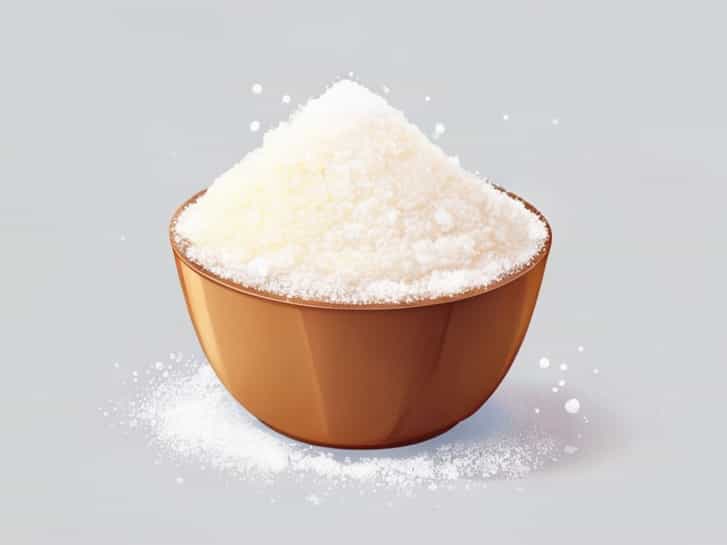
Many home bakers and curious cooks often wonder whether superfine sugar is the same as powdered sugar, especially when reading recipes that seem to use the terms loosely. At a glance, both ingredients look similar and dissolve more quickly than regular granulated sugar, which can make them seem interchangeable. However, the differences between superfine sugar and powdered sugar affect texture, structure, and even flavor in baked goods and desserts. Understanding how each type of sugar behaves can help you avoid common baking mistakes, improve your results, and choose the best ingredient for specific recipes.
Understanding what superfine sugar really is
Superfine sugar, sometimes called caster sugar in many countries, is a refined white sugar that has been ground into smaller crystals than regular granulated sugar. It still maintains a crystalline texture, but the grains are very fine and smooth. Because the crystals are smaller, superfine sugar dissolves more quickly in liquids and batters, which is especially helpful in delicate baking tasks.
How superfine sugar is used in recipes
Many recipes call for superfine sugar when a smooth texture is required. It is ideal for whipped egg whites, light cakes, and homemade beverages where undissolved sugar crystals would create an unpleasant grainy feeling. Bakers often prefer superfine sugar in meringues, sponge cakes, and some pastries because it blends easily without overmixing the batter.
- Commonly used in meringues and macarons
- Useful in cocktails and syrups where fast dissolving is needed
- Helps create fine, airy textures in cakes and desserts
What powdered sugar is and how it differs
Powdered sugar, also known as confectioners’ sugar or icing sugar, is ground much finer than superfine sugar. It has a soft, powdery consistency similar to flour and often contains a small amount of cornstarch or another anti-caking agent. This additive prevents clumping and helps powdered sugar stay light and free flowing.
Typical uses of powdered sugar
Powdered sugar is commonly used in frostings, glazes, icings, and dusting desserts such as doughnuts or pastries. Because of its extremely fine texture, it dissolves instantly and creates smooth mixtures without visible sugar crystals. The cornstarch content also helps thicken mixtures, which is why it works well in creamy toppings and fillings.
- Best for buttercream and cream cheese frosting
- Ideal for glazes and icing drizzles
- Often sprinkled on finished desserts for decoration
So, is superfine sugar the same as powdered sugar?
The short answer is no – superfine sugar is not the same as powdered sugar. While both are refined forms of sugar and dissolve more easily than granulated sugar, they differ in texture, structure, and function. Superfine sugar still contains tiny crystals, while powdered sugar has been ground into an ultra-fine powder and typically includes cornstarch.
Key differences between superfine sugar and powdered sugar
Understanding the distinctions helps you recognize why they are not interchangeable in most recipes. The texture of each sugar creates a different result in baked goods, beverages, and frostings.
- Superfine sugar has very small crystals, while powdered sugar is completely powdered
- Powdered sugar often contains cornstarch; superfine sugar does not
- Superfine sugar is better for batters and delicate baking
- Powdered sugar works best in frostings and glazes
Why texture matters in baking and cooking
When working with ingredients like sugar, texture plays a major role in how food turns out. The small crystals in superfine sugar add structure and stability to recipes such as meringues and angel food cake. The powder consistency of confectioners’ sugar, on the other hand, changes the way mixtures thicken and blend.
How superfine sugar affects baked goods
Because superfine sugar dissolves smoothly but still retains crystal form, it helps trap air when creamed with butter, creating light and fluffy cake textures. It also supports stable foam in whipped egg whites. Using powdered sugar in these recipes would weaken the structure and produce a denser or unstable result.
How powdered sugar changes recipes
Powdered sugar blends into liquids and fats instantly and forms a creamy texture rather than contributing structure. In frosting or icing, this is ideal. But in cookies or cakes, replacing superfine or granulated sugar with powdered sugar can lead to a crumbly or soft texture because the cornstarch alters the dough or batter.
Can superfine sugar replace powdered sugar?
In most cases, superfine sugar cannot replace powdered sugar in recipes that rely on the powdered form for thickening or smooth consistency. A frosting made with superfine sugar would feel gritty, and a glaze would not set correctly. However, there are some limited situations where superfine sugar may work as a substitute if dissolved completely.
- Superfine sugar may work in beverages or syrups
- It can sometimes blend into whipped cream if dissolved carefully
- It is not suitable for icing or buttercream substitution
Can powdered sugar replace superfine sugar?
Substituting powdered sugar for superfine sugar is also not recommended in most baked recipes. The cornstarch content changes moisture balance and can affect texture. Cookies may spread differently, cakes may become dense, and whipped mixtures may lose volume.
When substitution may cause problems
For example, if a recipe for meringue calls for superfine sugar and powdered sugar is used instead, the egg whites may lose stability and fail to reach the proper glossy peak stage. The final texture will differ significantly from the intended result.
Making homemade superfine sugar or powdered sugar
Some home cooks create superfine sugar at home by pulsing granulated sugar in a blender until the crystals become smaller. This works for many recipes where superfine sugar is required. However, this method should not be confused with making powdered sugar, which needs a much finer grind and usually requires cornstarch to prevent clumping.
When homemade alternatives are useful
Homemade superfine sugar is helpful when you cannot find it in stores and need it for baking or beverages. Homemade powdered sugar can also work in emergencies, but must be blended thoroughly to achieve a smooth texture, especially for icing or frosting.
Choosing the right sugar for the best results
Knowing whether superfine sugar is the same as powdered sugar helps you make better choices in the kitchen. Although both forms dissolve faster than standard granulated sugar, they are designed for different culinary purposes. Using the right sugar supports texture, structure, and flavor in recipes ranging from light cakes to creamy frostings.
superfine sugar versus powdered sugar
When a recipe calls for superfine sugar, it usually needs the fine crystals to blend smoothly while still supporting structure. When a recipe calls for powdered sugar, it needs the ultra-fine texture and thickening qualities. Treating them as separate ingredients ensures consistent results and a better understanding of how sugar works in baking and cooking.