When browsing the produce section or reading through recipes, you’ve probably come across the terms scallion and green onion used almost interchangeably. It can be confusing, especially when some dishes specifically ask for one and not the other. Are they the same vegetable under different names? Or is there a subtle culinary or botanical difference between them? Understanding what makes a scallion a scallion and how it compares to a green onion can help you make more informed choices in the kitchen and ensure your recipes come out as intended.
Understanding Scallions and Green Onions
Are They Actually the Same?
In most cases, the terms scallion and green onion refer to the same plant. They are both members of the Allium family, which includes onions, garlic, leeks, and shallots. Both scallions and green onions have a white base that has not fully developed into a bulb, along with long, hollow green stalks that are also edible. In grocery stores and markets across the United States and many other countries, the two names are used interchangeably.
What Do They Look Like?
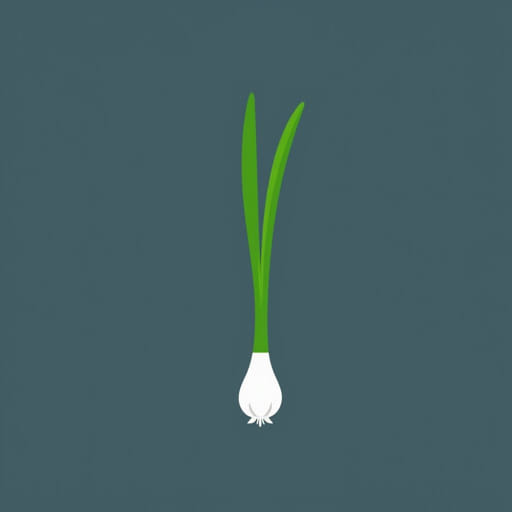
Scallions and green onions are characterized by:
- Long, slender green tops
- White bottoms that are narrow and not bulbous
- A mild onion flavor that is less pungent than mature onions
The entire plant is edible and often used raw or cooked in a variety of dishes.
Where the Confusion Comes From
Regional Naming Differences
The primary reason for the confusion lies in regional terminology. In the United States and Canada, green onion and scallion are used interchangeably, while in some parts of the UK and other countries, ‘spring onion’ is the preferred term though spring onions can be slightly different depending on when they are harvested.
Spring Onions vs. Scallions
To add to the confusion, spring onions are another variation of immature onions. Unlike scallions, spring onions have small, developing bulbs at the base and typically have a stronger flavor. They’re still tender and suitable for both raw and cooked dishes, but they are technically a different stage in the onion’s growth.
How Scallions (Green Onions) Are Grown
Harvesting and Growth
Scallions are usually harvested before the bulb forms. They are either a separate variety of onion that doesn’t develop a bulb at all or a young version of a standard onion that’s picked early. If left in the ground, many scallions would eventually form full bulbs, turning into mature onions. The key to harvesting scallions is catching them at the right moment when they’re tender and have that recognizable shape.
Uses in Cooking
Flavor Profile
Scallions and green onions have a bright, slightly sharp onion flavor without the overpowering bite of full-grown onions. This makes them perfect for adding to dishes that benefit from a subtle onion note without overwhelming the other ingredients.
Common Culinary Applications
- Garnishing soups, stews, and noodle bowls
- Stir-frying with vegetables or proteins
- Mixing into omelets or scrambled eggs
- Adding to fresh salsas or salads
- Baking into breads or savory pastries
Both the white and green parts are used in recipes. The white end tends to be more pungent, while the green top is milder and often used as a garnish.
Are Scallions and Green Onions Nutritious?
Health Benefits
Scallions are low in calories but rich in essential nutrients. They contain:
- Vitamin K, important for blood clotting and bone health
- Vitamin C, an antioxidant that boosts the immune system
- Folate, crucial for cell function and development
- Fiber, which aids digestion
Because of their nutrient profile, scallions are a great way to add flavor and health benefits to meals without adding many calories.
How to Select and Store Scallions or Green Onions
Picking the Best Bunch
Look for scallions that have firm, white bottoms and bright green tops. Avoid bunches with wilted, yellowing, or slimy leaves. The stalks should stand upright and feel crisp to the touch.
Storing Properly
To keep scallions fresh longer:
- Wrap them loosely in a damp paper towel and place them in a plastic bag in the fridge.
- Alternatively, stand them upright in a jar with a small amount of water and cover loosely with a plastic bag.
Proper storage can keep them fresh for up to a week.
Can You Regrow Scallions?
A Fun Kitchen Project
Yes, scallions can be regrown from scraps! Simply place the white root ends in a glass with water, and new green shoots will start growing in just a few days. This makes scallions not only a tasty ingredient but also a sustainable one for home cooks who want to reduce waste.
When to Use Scallions vs. Other Onions
Understanding the Distinctions
While scallions and green onions are mild and tender, other onions like yellow, white, or red onions are more pungent and typically used in dishes that require longer cooking. Scallions are best used when a dish needs a fresher, more delicate onion flavor.
Scallions in Cultural Cuisine
Scallions play a key role in several cuisines around the world:
- Chinese cooking: Used in scallion pancakes, stir-fries, and soups
- Korean dishes: Found in pajeon (scallion pancakes) and kimchi
- Mexican cuisine: Grilled whole and served with meats
- American recipes: Added raw to potato salad, dips, and baked potatoes
Summary: Are Scallions and Green Onions the Same?
In everyday cooking and grocery shopping, scallions and green onions are considered the same thing. Both terms refer to the same vegetable: a young, tender member of the onion family with a white base and green stalks. While there are subtle differences among varieties and growth stages, most recipes that call for one can use the other without issue.
So the next time a recipe calls for scallions and all you find are green onions or vice versa go ahead and use what you have. You’ll still get that mild, fresh onion flavor that makes scallions and green onions so beloved in kitchens around the world.