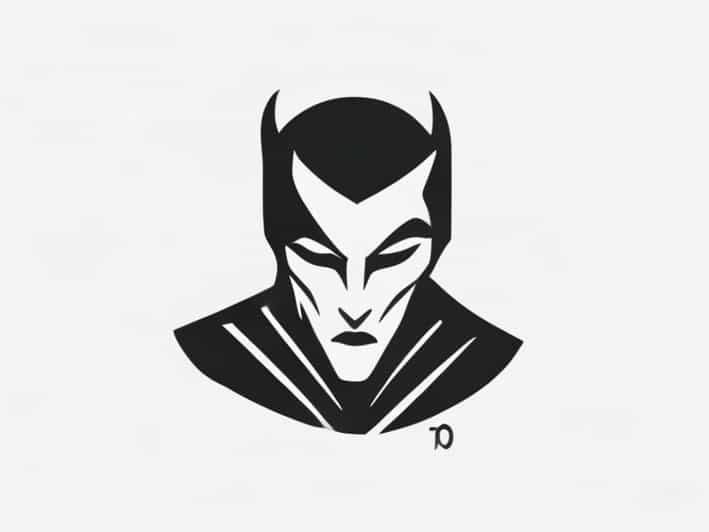
In stories, movies, history, and even everyday life, the idea of being a villain carries a strong emotional charge. Villains are often seen as cruel, selfish, or morally wrong, yet they are also some of the most fascinating characters ever created. From fictional antagonists to real-life figures labeled as villains by society, the question often arises is it bad to be a villain, or is the answer more complex than it appears? Understanding this idea requires looking beyond simple labels and exploring morality, perspective, and human behavior.
The Meaning of Being a Villain
The word villain usually refers to someone who causes harm, opposes others, or acts in ways that society considers unethical. In storytelling, villains are typically the characters who stand against the hero. In real life, the label can be applied to individuals who break laws, challenge norms, or act against collective values.
However, what defines a villain often depends on who is telling the story. Actions that appear evil from one perspective may seem justified from another.
Villains in Fiction and Storytelling
In books, films, and television, villains play a crucial role. Without them, stories would lack tension, conflict, and emotional depth.
Why Stories Need Villains
Villains create obstacles that heroes must overcome. They force characters to grow, make difficult choices, and reveal their true values.
- They provide conflict and drama
- They challenge moral boundaries
- They make heroes more relatable and human
From this perspective, being a villain in fiction is not bad but essential.
Complex and Sympathetic Villains
Modern storytelling often portrays villains as complex individuals rather than purely evil figures. These characters may have painful pasts, understandable motivations, or beliefs that make sense within their worldview.
This complexity raises the question of whether villains are truly bad or simply misunderstood.
Villainy as a Matter of Perspective
One of the most important aspects of villainy is perspective. History is full of figures who were considered villains in their time but later viewed differently.
What one group sees as harmful rebellion, another may see as necessary change. Labels like hero and villain often shift depending on cultural values, power structures, and historical context.
Is Being a Villain Always Immoral?
Morality is rarely black and white. While some actions clearly cause harm, others exist in moral gray areas.
Intent Versus Impact
A person may have good intentions but still cause harm, while another may do harmful things believing they are protecting others. Does intention matter more than outcome, or is the damage done the only thing that counts?
This moral tension makes it difficult to say that being a villain is always bad in every situation.
Breaking Rules for a Greater Good
Some villains in stories and real life break laws or norms to expose injustice or fight corruption. While their methods may be questionable, their goals may align with ethical principles.
In these cases, the label of villain becomes a reflection of authority rather than morality.
Social Villains and Cultural Norms
Society often creates villains by defining what is acceptable behavior. People who challenge traditions, question authority, or live differently can be labeled as villains simply for not fitting in.
Throughout history, many social reformers were treated as villains before their ideas were accepted.
The Psychological Side of Being a Villain
From a psychological perspective, people labeled as villains are still human. They experience emotions, fears, desires, and rationalizations like everyone else.
Self-Justification
Most individuals do not see themselves as villains. They justify their actions based on personal values, survival, or perceived necessity.
This self-justification can make harmful behavior feel reasonable from the inside.
The Influence of Trauma and Environment
Many harmful behaviors are linked to past trauma, social pressure, or lack of support. Understanding these factors does not excuse wrongdoing, but it adds depth to the question of whether being a villain is inherently bad.
Villains in Real Life
In real-world situations, villainy often involves real consequences. Criminal acts, abuse of power, and exploitation cause genuine harm.
In these cases, society must hold people accountable. While understanding motives is important, it does not remove responsibility.
The Difference Between Being a Villain and Being Honest
Sometimes people are called villains simply for being honest, assertive, or unwilling to please others. Setting boundaries, making tough decisions, or prioritizing personal values can lead to criticism.
In such situations, being labeled a villain may reflect discomfort rather than wrongdoing.
Can Villains Change?
One powerful theme in storytelling and real life is redemption. Many villains are given opportunities to change, learn, and make amends.
This idea suggests that being a villain is not a permanent identity but a role shaped by choices and circumstances.
The Role of Villains in Personal Growth
Facing villains, whether external or internal, can lead to growth. Conflict forces reflection and change.
Even seeing oneself as a villain can prompt deeper self-awareness and moral development.
Is It Bad to Be Seen as a Villain?
Being seen as a villain can be emotionally painful and socially damaging. Rejection, judgment, and isolation often follow.
However, being disliked does not always mean being wrong. Sometimes standing for truth or justice comes at the cost of popularity.
The Balance Between Accountability and Understanding
It is important to balance compassion with accountability. Harmful actions should not be ignored, but understanding context can prevent oversimplified judgments.
Calling someone a villain should not end the conversation but begin a deeper examination of causes and consequences.
Final Reflections on Villainy
So, is it bad to be a villain? The answer depends on what the term means in a given situation. In fiction, villains are essential and often beloved. In real life, harmful actions deserve accountability, but labels can obscure complexity.
Villainy is not always about evil intent. It can arise from perspective, circumstance, or moral conflict. By looking beyond simple labels, we gain a better understanding of human behavior and the thin line that often separates heroes from villains.