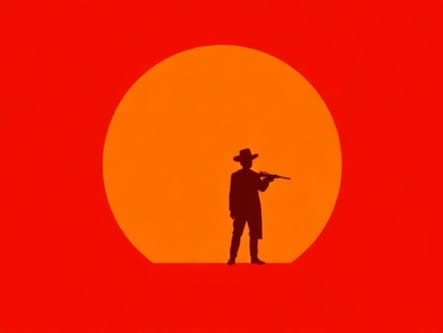
Fistful of Dollars, directed by Sergio Leone and released in 1964, is often regarded as a landmark film in the western genre, capturing the imagination of audiences with its intense action, stylized cinematography, and morally complex characters. Since its release, film enthusiasts and critics alike have debated whether it fits the definition of a spaghetti western, a subgenre of western films that emerged from Italy during the 1960s. Understanding the characteristics of a spaghetti western, the unique elements of Fistful of Dollars, and its influence on the global western genre is essential for anyone exploring the evolution of cinematic storytelling in this era.
Defining a Spaghetti Western
The term spaghetti western” refers to western films produced and directed primarily by Italian filmmakers, often shot in Europe, especially in Spain, to replicate the rugged landscapes of the American West. These films emerged in the 1960s as a reinterpretation of traditional American westerns, bringing a distinct style, tone, and sensibility to the genre. Key characteristics of spaghetti westerns include
- Stylized violence that is more graphic and intense than traditional westerns.
- A morally ambiguous protagonist who often operates outside the conventional boundaries of heroism.
- Minimalistic and tension-filled dialogue, emphasizing visual storytelling and suspense.
- Distinctive music scores, often composed by artists like Ennio Morricone, which enhance the film’s dramatic impact.
- Grim and dusty landscapes that create a sense of harshness and unpredictability.
Origins of the Term
The phrase “spaghetti western” was initially used, somewhat disparagingly, by critics to describe westerns made by Italian studios. Over time, however, the term has evolved into a mark of the subgenre’s unique style and creative contribution to the western tradition. Unlike the often idealized portrayals of the American frontier, spaghetti westerns embrace moral ambiguity, anti-heroes, and the harsh realities of survival, distinguishing them from their Hollywood counterparts.
Fistful of Dollars and Its Italian Roots
Fistful of Dollars is widely recognized as the film that brought international attention to the spaghetti western subgenre. Directed by Italian filmmaker Sergio Leone, it was co-produced by Italian and Spanish studios and filmed primarily in the arid regions of Spain. The film’s production history firmly places it within the Italian cinematic tradition, even though its narrative and setting evoke the classic American West. The cross-cultural collaboration in its production highlights the spaghetti western’s defining characteristic blending European filmmaking techniques with the themes and iconography of American westerns.
Stylistic Elements of Fistful of Dollars
One of the most striking aspects of Fistful of Dollars is its distinctive visual and narrative style, which aligns closely with the spaghetti western formula
- Extreme close-ups of the protagonist and antagonists, emphasizing tension and psychological conflict.
- Slow-motion gunfights that heighten drama and intensity.
- A focus on barren landscapes and weathered towns, creating a sense of isolation and danger.
- Ennio Morricone’s iconic score, which blends whistling, guitar riffs, and unconventional instrumentation to create an unforgettable auditory experience.
- A morally complex hero, portrayed by Clint Eastwood, who operates independently of traditional justice and pursues personal gain as much as righteousness.
Influence of Akira Kurosawa
Fistful of Dollars is famously an unofficial adaptation of Akira Kurosawa’s 1961 film Yojimbo. Leone borrowed the story structure, character archetypes, and certain narrative beats from Yojimbo, translating the tale of a wandering samurai into the American western setting. This cross-cultural inspiration is a hallmark of spaghetti westerns, which frequently reinterpret existing stories to fit their unique aesthetic and thematic framework. By merging Japanese storytelling with Italian filmmaking and American western tropes, Fistful of Dollars created a new hybrid style that defined the subgenre.
Character Archetypes
The protagonist of Fistful of Dollars, known as the Man with No Name, exemplifies the spaghetti western hero. Unlike traditional western heroes who are morally upright and selfless, this character is enigmatic, opportunistic, and sometimes ruthless. The film blurs the line between hero and anti-hero, emphasizing survival, cunning, and personal gain over traditional notions of justice. This approach not only differentiates the film from classic Hollywood westerns but also solidifies its place within the spaghetti western tradition.
Reception and Legacy
Upon its release, Fistful of Dollars achieved commercial success and drew critical attention for its fresh approach to the western genre. The film’s innovative style, intense action sequences, and morally ambiguous storytelling inspired a wave of spaghetti westerns throughout the 1960s and 1970s. Directors like Sergio Corbucci and Sergio Leone himself continued to expand the subgenre, producing films that shared the thematic and stylistic hallmarks introduced in Fistful of Dollars. Today, the film is celebrated as a pioneering work that redefined audience expectations of western films worldwide.
Why Fistful of Dollars is a Spaghetti Western
- Italian production and direction, firmly placing it within the European filmmaking context.
- Filming locations in Spain that mimic the American West while providing a unique visual style.
- Distinctive music by Ennio Morricone, reinforcing the tension and drama characteristic of the subgenre.
- Morally ambiguous protagonist, a central feature of spaghetti western narratives.
- Stylized violence and visual storytelling, emphasizing atmosphere over traditional dialogue-driven exposition.
Fistful of Dollars undeniably qualifies as a spaghetti western due to its Italian roots, unique stylistic choices, and thematic departure from traditional American westerns. The film’s innovative combination of European filmmaking, Japanese narrative influence, and American frontier motifs created a new subgenre that continues to influence filmmakers and captivate audiences. By examining the film’s production, style, characters, and legacy, it becomes clear that Fistful of Dollars not only fits within the spaghetti western category but also helped define it, leaving an indelible mark on cinematic history and shaping the future of western storytelling.