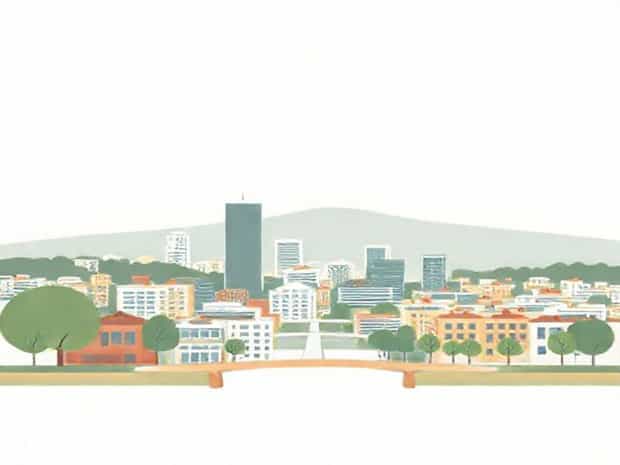
Berkeley is widely recognized as a city in the state of California, situated in the San Francisco Bay Area. Its identity as a city is well-established through its government structure, civic institutions, and municipal boundaries. Berkeley has a unique blend of cultural, educational, and historical significance that distinguishes it from neighboring communities. The presence of the University of California, Berkeley, one of the nation’s most prestigious research universities, further solidifies its identity as a vibrant urban center. Understanding whether Berkeley is a city involves examining its legal status, governance, population, infrastructure, and role within the broader Bay Area region.
Legal and Civic Status of Berkeley
Berkeley was officially incorporated as a city in 1878, giving it municipal status and self-governance. As a city, Berkeley has its own elected officials, including a mayor and city council, who are responsible for local legislation, public policy, and administration. The city operates under a charter that outlines its powers, responsibilities, and organizational structure. Being an incorporated city means that Berkeley can enact local ordinances, manage city services, and maintain public infrastructure independently from the county government, which in this case is Alameda County.
Population and Demographics
Berkeley is home to a diverse population of over 120,000 residents, according to recent census data. The city’s demographics include a wide range of ethnicities, cultures, and socioeconomic backgrounds, contributing to its vibrant community life. Students, faculty, and staff affiliated with the University of California add a dynamic educational and cultural dimension to the city. This diverse population is reflected in Berkeley’s neighborhoods, local businesses, cultural institutions, and community organizations, all of which help define the city’s unique identity.
Geography and Location
Geographically, Berkeley is located on the eastern shore of the San Francisco Bay, offering stunning views and proximity to water-based activities. Its location places it between Oakland to the south and Emeryville to the northwest, with the bay forming its western boundary. The city’s geographic setting contributes to its mild climate, scenic parks, and recreational opportunities. Major thoroughfares, public transit systems, and bicycle paths make Berkeley easily accessible while promoting sustainable transportation options.
Neighborhoods and Urban Structure
- Downtown BerkeleyThe commercial and cultural hub of the city, featuring shopping, dining, and entertainment.
- North BerkeleyKnown for its historic architecture, tree-lined streets, and residential charm.
- South BerkeleyA diverse neighborhood with community-focused initiatives and local businesses.
- West BerkeleyAn industrial and arts district with creative spaces and manufacturing facilities.
Each neighborhood contributes to the city’s overall character and demonstrates Berkeley’s urban organization, further confirming its status as a city.
Educational Significance
One of the defining features of Berkeley as a city is the presence of the University of California, Berkeley. Founded in 1868, the university is a major driver of economic, cultural, and intellectual activity. It attracts students from around the world, fosters research and innovation, and hosts a variety of public events and lectures. The university’s presence influences local housing, transportation, and business development, making it an integral part of the city’s urban landscape. The synergy between the city and the university exemplifies how educational institutions can shape and enhance urban identity.
Cultural and Community Life
Berkeley’s status as a city is also reflected in its rich cultural scene and community initiatives. The city hosts numerous festivals, art exhibitions, and music performances throughout the year. Civic organizations, neighborhood councils, and volunteer groups contribute to community development and social cohesion. Public libraries, museums, theaters, and cultural centers provide educational and recreational resources for residents and visitors. This vibrant cultural life is a hallmark of city identity, highlighting Berkeley’s active civic engagement and commitment to quality of life.
Economic and Commercial Activities
Berkeley’s economy is diverse, encompassing education, technology, retail, healthcare, and small businesses. The downtown area and commercial corridors are home to shops, restaurants, cafes, and service providers, reflecting urban economic activity. Technology startups, research institutes, and professional services contribute to the city’s economic vitality. The presence of a skilled workforce and a consumer base supported by the university further enhances economic opportunities. The city’s economic infrastructure, including public transportation, utilities, and commercial zoning, supports its functionality as an urban center.
Governance and Municipal Services
- City CouncilResponsible for legislative functions and policymaking.
- Mayor’s OfficeProvides leadership and oversight of city operations.
- Public SafetyPolice and fire departments ensure resident safety and emergency response.
- Public WorksManages infrastructure, waste management, and city maintenance.
- Recreation and ParksMaintains parks, recreational facilities, and community programs.
These municipal services and governance structures demonstrate that Berkeley operates as a fully functional city, with organized systems to manage urban life efficiently.
Historical Context
Berkeley’s history as a city began in the 19th century, with its development tied closely to the university, transportation networks, and regional growth. Historical landmarks, residential architecture, and public institutions reflect the city’s evolution over time. Preservation efforts and historical societies help maintain the city’s heritage while integrating modern development. Understanding Berkeley’s history provides insight into its transformation from a small settlement to a recognized urban municipality with civic and cultural importance.
Transportation and Connectivity
Transportation infrastructure plays a key role in defining Berkeley as a city. It is served by multiple modes of transportation, including buses, BART (Bay Area Rapid Transit), commuter rail, and bike-friendly routes. Major highways connect Berkeley to San Francisco, Oakland, and other Bay Area cities. Efficient transportation enhances urban mobility, supports commerce, and facilitates access to educational and cultural institutions, all of which reinforce the city’s urban character.
Environmental and Urban Planning
Berkeley prioritizes sustainable urban planning and environmental stewardship. The city has implemented policies promoting green building, renewable energy, public transit, and bicycle infrastructure. Parks, open spaces, and protected natural areas provide residents with recreational opportunities and contribute to ecological sustainability. Urban planning initiatives ensure that development is balanced with environmental preservation, supporting the quality of life and reinforcing Berkeley’s status as a progressive city.
Berkeley is unequivocally a city within the state of California, recognized through its incorporation, governance, population, infrastructure, and cultural significance. Its urban identity is strengthened by the presence of the University of California, Berkeley, vibrant neighborhoods, diverse economic activities, and comprehensive municipal services. The city’s historical development, cultural offerings, and commitment to sustainable urban planning further affirm its city status. Residents, visitors, and scholars alike recognize Berkeley as an urban center that combines educational excellence, civic engagement, and community vitality.
Whether examined from a legal, cultural, economic, or geographic perspective, Berkeley exhibits all the characteristics of a city. Its municipal governance, urban infrastructure, community life, and integration with regional networks demonstrate functionality and complexity typical of urban centers. As part of the San Francisco Bay Area, Berkeley contributes to the region’s identity while maintaining its unique character, making it a city known not only for its educational prominence but also for its dynamic community and rich urban environment.