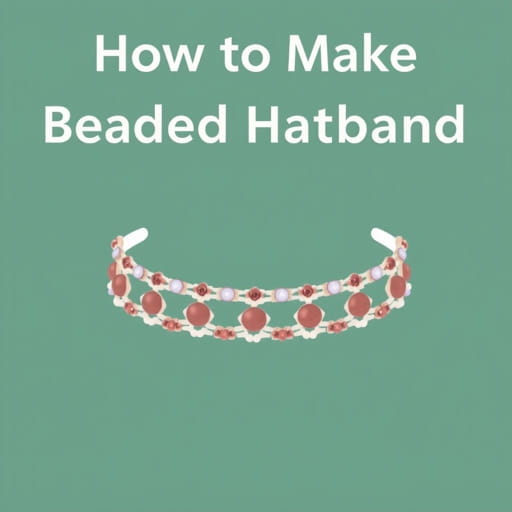
Creating a beaded hatband is a fun and rewarding craft project that adds a personal and stylish touch to any hat. Whether you’re designing something with a traditional, Native American-inspired pattern or crafting a modern, colorful design, beading a hatband allows you to showcase creativity and attention to detail. This accessory not only enhances the look of a plain hat but also reflects your personality and crafting skills. With the right tools, a bit of patience, and some planning, anyone can make a custom beaded hatband that becomes a one-of-a-kind fashion statement.
Understanding the Purpose of a Beaded Hatband
Function and Style
Hatbands serve both decorative and functional purposes. They can keep a hat snug on your head, cover wear marks, or simply act as an accent piece that gives your headwear a new flair. A beaded hatband, in particular, adds texture, color, and artistic value. These bands are popular in Western wear, bohemian styles, and cultural or ceremonial dress.
Customization Options
One of the best things about making your own beaded hatband is the ability to personalize it. You can choose color schemes that match your wardrobe, create symbols or motifs with meaning, or follow traditional patterns that honor a particular heritage.
Materials Needed to Make a Beaded Hatband
Essential Supplies
Before you begin the beading process, gather the following materials:
- Seed beads in your chosen colors and sizes
- Nylon thread or beading thread
- Beading needle
- Beading loom (optional but recommended for intricate designs)
- Scissors
- Felt or leather strip as backing (optional)
- Glue or adhesive (if attaching the hatband to the hat)
- Measuring tape
- Clasp or snap fasteners (if you want it removable)
Selecting Beads and Thread
Seed beads come in various finishes and sizes, from shiny and metallic to matte and opaque. Size 11/0 seed beads are commonly used for hatbands because they offer detailed results without being too small to handle. Choose a strong, flexible thread such as Nymo, FireLine, or WildFire to hold your beadwork securely.
Planning Your Hatband Design
Measure the Hat
Use a flexible measuring tape to determine the circumference of your hat where the band will sit. Add an extra inch if you’re planning to include a clasp or tie. This will be the total length of your beadwork.
Create a Pattern
Sketch your design on graph paper or use beading software to plan the arrangement. If you’re following a traditional Native American pattern or geometric layout, plan each row to ensure symmetry. For freehand designs, you can use color swatches and visual guides as inspiration.
Techniques for Beading a Hatband
Using a Beading Loom
A beading loom can make the process faster and more uniform, especially for repeating patterns. Here’s a basic overview:
- Set up your loom by stringing warp threads across the frame.
- Thread your beading needle with a long piece of beading thread.
- String your first row of beads and pass the needle under the warp threads.
- Push the beads up between the threads and pass the needle back through the top.
- Repeat this process row by row until your design is complete.
Off-Loom Beading (Peyote Stitch)
If you don’t have a loom, you can use off-loom techniques like the peyote stitch, which is flexible and durable:
- Start with a foundation row using an even number of beads.
- Weave through every other bead in the next row to create a staggered effect.
- Continue adding rows and building the pattern gradually.
Adding a Backing and Finishing Touches
Attach Backing Material
For durability and comfort, especially if the beading is done on thread alone, you may want to attach the beadwork to a strip of felt, leather, or suede. Use fabric glue or hand-stitch the beaded panel onto the backing.
Trim and Secure
After completing the beading, tie off all threads securely and trim any excess. Make sure all knots are tight to avoid unraveling. If needed, use clear nail polish or a dab of glue to seal knots.
Add Closures or Make It Adjustable
You can make the hatband adjustable with a leather tie, snap buttons, or a hook-and-loop fastener. This is especially helpful if you want to wear it on different hats or remove it for cleaning or storage.
Creative Ideas for Beaded Hatbands
Incorporating Symbols
Try integrating symbols such as arrows, diamonds, or waves to give your hatband a deeper meaning. You can also bead initials, dates, or abstract motifs for a modern twist.
Playing with Color
Color can completely change the mood of your design. Earth tones give a rustic, natural feel, while bright or neon shades stand out with contemporary flair. You can create ombré effects, checkerboards, or even mimic a sunset using bead gradients.
Mixing Materials
For added texture, mix different types of beads, such as metallics, glass, and stone. You might even incorporate small charms or pendants for a more eclectic look.
Tips for Success
- Practice first Try a small sample piece before starting the full design.
- Use good lighting Beading requires precision, so work in a well-lit area.
- Stay patient Beading can be time-consuming, but the result is worth the effort.
- Store supplies properly Keep beads sorted by color and size in small containers.
- Check progress frequently Lay your band across the hat as you work to ensure it fits correctly and aligns well.
Common Mistakes to Avoid
- Using weak thread Always choose high-quality thread that won’t snap under tension.
- Skipping measurements Measure both the hat and the band length accurately before starting.
- Overcrowding beads Avoid pulling the thread too tight, which can warp your design.
- Neglecting the backing A good backing makes the hatband more durable and comfortable.
Learning how to make a beaded hatband opens up a world of creative expression and practical design. Whether you’re dressing up a plain hat or crafting a gift for someone special, a handmade hatband adds a unique, handcrafted charm. With simple tools, quality materials, and a bit of patience, you can design an accessory that speaks volumes about your style and attention to detail. From traditional beading patterns to modern motifs, this project invites you to explore craftsmanship at its finest one bead at a time.