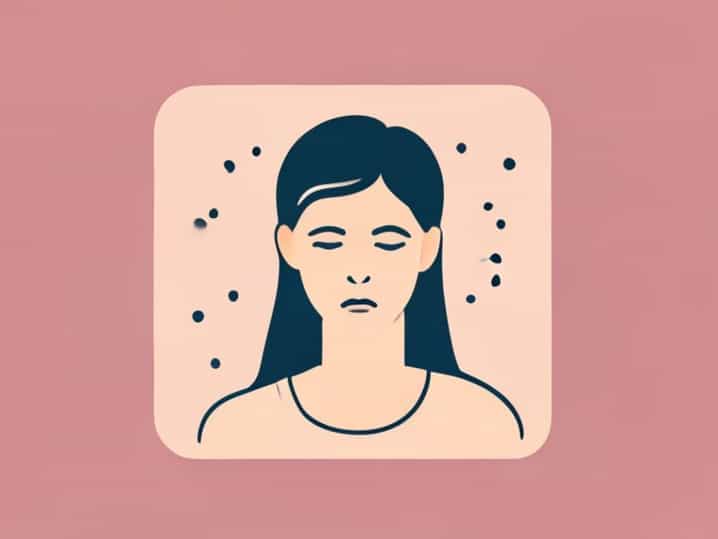
Post-coital dysphoria (PCD) is a condition where individuals experience feelings of sadness, anxiety, or irritability after sexual activity, even if the experience itself was consensual and enjoyable. This condition can be confusing and distressing, leaving many people unsure why they feel emotional discomfort after intimacy. Understanding the causes, recognizing the symptoms, and implementing strategies to cope with or reduce PCD can help improve emotional well-being and strengthen intimate relationships. Addressing post-coital dysphoria involves both mental and physical approaches, focusing on communication, self-care, and psychological support.
Understanding Post-Coital Dysphoria
Post-coital dysphoria is sometimes referred to as post-coital tristesse and affects both men and women. Symptoms typically include sadness, irritability, or tearfulness following sexual activity, which can last from a few minutes to several hours. While occasional episodes are common, frequent or severe instances of PCD may interfere with sexual enjoyment and emotional health. Understanding the underlying causes and risk factors is essential for effective management and prevention.
Common Symptoms of PCD
- Sudden feelings of sadness or emptiness after sexual activity.
- Irritability or agitation immediately following intimacy.
- Anxiety or restlessness that occurs post-orgasm.
- Tearfulness or crying without a clear trigger.
- Feelings of guilt, shame, or emotional vulnerability.
Step 1 Identify Potential Causes
Post-coital dysphoria can have multiple contributing factors, including hormonal fluctuations, psychological stress, past trauma, or relationship dynamics. Identifying potential triggers can help develop strategies to minimize or prevent episodes. Factors may differ from person to person, and understanding your unique experiences can guide coping mechanisms effectively.
Potential Causes
- Hormonal changes after sexual activity, including shifts in oxytocin and prolactin levels.
- Psychological stress, anxiety, or depression influencing post-coital emotions.
- Unresolved past trauma or negative sexual experiences.
- Relationship issues or lack of emotional connection with a partner.
- Fatigue, stress, or other lifestyle factors that affect emotional regulation.
Step 2 Practice Mindful Communication with Your Partner
Open and honest communication with your partner is essential in addressing PCD. Sharing your experiences and feelings can help reduce emotional stress and foster understanding. Discussing boundaries, comfort levels, and emotional reactions can also prevent misunderstandings and promote a supportive sexual relationship.
Communication Tips
- Express your feelings calmly and without judgment after episodes of PCD.
- Discuss triggers and emotional patterns with your partner openly.
- Set mutual expectations about intimacy and post-sex emotional support.
- Consider couples counseling if PCD significantly affects your relationship.
Step 3 Focus on Emotional Self-Care
Taking care of your emotional well-being is vital in reducing the impact of PCD. Activities that promote relaxation, mindfulness, and emotional regulation can help manage post-coital emotions. Regular self-care practices improve overall mental health and resilience, making it easier to cope with temporary sadness or anxiety after sexual activity.
Self-Care Strategies
- Practice mindfulness or meditation to stay grounded in the present moment.
- Engage in deep-breathing exercises after intimacy to calm the nervous system.
- Take a warm bath, listen to soothing music, or journal your feelings.
- Ensure adequate sleep, nutrition, and regular exercise to support mental health.
Step 4 Address Underlying Psychological Factors
Sometimes, post-coital dysphoria may be linked to deeper psychological issues such as depression, anxiety, or unresolved trauma. Working with a licensed therapist or counselor can provide tools to process emotions, understand triggers, and develop coping mechanisms. Cognitive-behavioral therapy (CBT) and trauma-focused therapies have been shown to be effective in addressing emotional dysregulation related to intimacy.
Therapy Recommendations
- Seek a therapist experienced in sexual health and emotional regulation.
- Consider individual counseling for personal emotional support and insight.
- Explore trauma-informed therapy if past negative experiences contribute to PCD.
- Use therapy to develop practical strategies for emotional recovery after sexual activity.
Step 5 Develop Healthy Sexual Habits
Healthy sexual habits can help reduce the occurrence of post-coital dysphoria. This includes pacing intimacy, ensuring mutual consent, and focusing on emotional connection rather than performance alone. Creating a safe and comfortable sexual environment promotes positive experiences and minimizes emotional discomfort afterward.
Healthy Sexual Practices
- Take time to build emotional intimacy before engaging in sexual activity.
- Ensure that both partners feel safe, respected, and consensual.
- Practice communication during sexual activity to enhance comfort and connection.
- Focus on enjoyment and connection rather than performance or expectations.
Step 6 Use Stress Reduction Techniques
Managing overall stress levels can help reduce susceptibility to PCD. Chronic stress can amplify emotional responses after sexual activity, increasing the likelihood of sadness or irritability. Incorporating stress reduction techniques into daily life strengthens emotional resilience and helps regulate post-coital emotions.
Stress Management Tips
- Practice yoga or stretching exercises to release tension.
- Engage in hobbies and activities that promote relaxation and joy.
- Maintain social connections and supportive relationships.
- Limit exposure to stressors where possible, and practice mindfulness throughout the day.
Step 7 Track Patterns and Triggers
Keeping a journal of sexual experiences and emotional responses can help identify patterns and triggers for post-coital dysphoria. By tracking these instances, individuals can gain insight into potential causes and implement targeted strategies to reduce recurrence. Awareness of triggers allows for proactive management and more positive sexual experiences over time.
Tracking Tips
- Record emotional state before and after sexual activity.
- Note contextual factors such as relationship dynamics, stress levels, and fatigue.
- Identify common patterns that may indicate specific triggers.
- Use the journal to discuss patterns with a therapist or partner for targeted strategies.
Step 8 Seek Medical Consultation if Needed
In some cases, post-coital dysphoria may be linked to hormonal imbalances or medical conditions. Consulting a healthcare professional can help rule out underlying causes and provide additional treatment options. A doctor can offer guidance, recommend therapy, or suggest medical interventions that support emotional regulation.
Medical Considerations
- Discuss recurring or severe episodes with a primary care provider or gynecologist.
- Consider hormone testing if emotional fluctuations are extreme or persistent.
- Work with a healthcare professional to integrate medical and psychological support.
- Follow professional guidance for any prescribed treatments or interventions.
Getting rid of post-coital dysphoria involves understanding its causes, recognizing symptoms, and taking proactive steps to manage emotional responses after sexual activity. Strategies include communication with partners, emotional self-care, therapy, stress reduction, healthy sexual habits, and, when necessary, medical consultation. Tracking patterns and identifying triggers enhances the effectiveness of these approaches. By combining these methods, individuals can improve their emotional well-being, foster healthier intimate relationships, and reduce the impact of post-coital dysphoria over time.